

Raw Materials in Modern Chemical Industries
The chemical industry serves as the backbone of global manufacturing, powering sectors ranging from automotive and electronics to construction and healthcare. At the core of this industry lies a diverse array of raw materials-substances that undergo chemical transformations to produce finished goods, intermediates, and specialty products. These raw materials vary widely in origin, composition, and function, with some derived from natural resources like minerals and petroleum, and others synthesized through advanced industrial processes.
In the context of modern chemical production, raw materials are not merely "inputs" but strategic assets that determine product quality, production efficiency, and environmental sustainability. For instance, Xingtai Weineng Technology Co., Ltd., a leading manufacturer of metal surface treatment chemicals (as highlighted on https://www.mic-energy.com/), relies on carefully selected raw materials to produce degreasers, rust inhibitors, phosphating agents, and blackening agents-products critical to metal processing industries worldwide. Understanding the types, applications, and characteristics of these raw materials is essential for anyone involved in chemical production, supply chain management, or end-user industries.
This article explores the key raw materials used in chemical industries, categorized by their source and function. It delves into mineral-based, petroleum-derived, plant-based, and synthetic raw materials, examining their roles in specific chemical subsectors (such as metal surface treatment, construction chemicals, and industrial cleaning). Additionally, it addresses trends in raw material sourcing, including sustainability and innovation, to provide a comprehensive overview of this vital component of the chemical industry.
Mineral-Based Raw Materials: Foundations of Many Chemical Industries
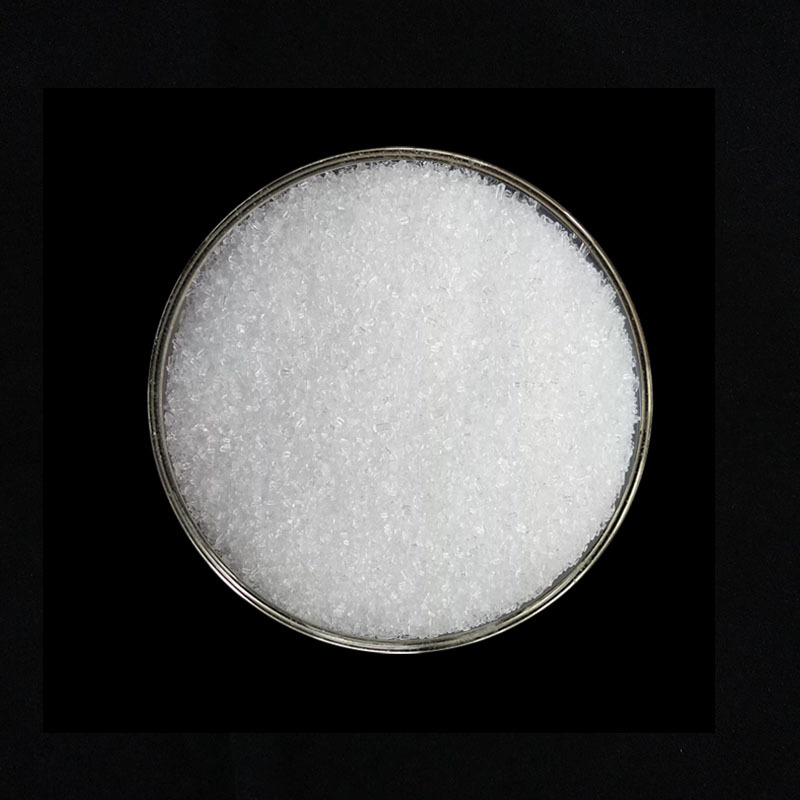
Mineral-based raw materials are extracted from the earth's crust and processed to yield substances with distinct chemical properties. They are indispensable in chemical industries due to their abundance, low cost (in many cases), and versatility. From metals used in surface treatment to salts that enable cleaning and corrosion prevention, these minerals form the basis of countless chemical products. Below are some of the most widely used mineral-based raw materials and their applications in chemical industries.
Metal Oxides: Essential for Corrosion Resistance and Surface Treatment in Chemical Industries
Metal oxides-compounds formed by the reaction of metals with oxygen-are critical raw materials in chemical industries, particularly in sectors focused on metal surface treatment, coatings, and corrosion protection. Two prominent examples are zinc oxide and titanium oxide, both of which play key roles in products offered by companies like Xingtai Weineng Technology.
Zinc oxide (ZnO) is a white, powdery mineral widely used in chemical industries for its anti-corrosive and antibacterial properties. In metal surface treatment, it is a key component of rust inhibitors and phosphating solutions. For instance, Weineng's phosphating agents-used to form a protective layer on steel workpieces-often include zinc oxide to enhance the adhesion of the phosphating film and improve resistance to rust. Additionally, zinc oxide is used in industrial lubricants and cutting fluids, where it reduces friction and prevents metal wear during machining. Its low toxicity and compatibility with other chemicals make it a preferred choice for eco-friendly chemical formulations.
Titanium oxide (TiO₂), another major metal oxide, is valued for its high stability and UV-resistant properties. In chemical industries, it is used in the production of pigments, coatings, and specialty chemicals like titanium steel alloys. As seen on https://www.mic-energy.com/, Weineng offers titanium steel airplane brooches-a product that relies on titanium oxide-based coatings to ensure durability and resistance to environmental degradation. Beyond consumer goods, titanium oxide is used in construction chemicals (e.g., concrete protectants) and medical equipment coatings, where its biocompatibility and resistance to chemical attack are critical.
Phosphates: Enablers of Cleaning, Degreasing, and Metal Treatment in Chemical Industries
Phosphates-salts or esters of phosphoric acid-are versatile raw materials in chemical industries, with applications spanning cleaning, metal treatment, and water treatment. Their ability to chelate (bind) metal ions, emulsify oils, and form protective films makes them indispensable in products like degreasers, phosphating solutions, and rust removers.
Sodium tripolyphosphate (STPP) and sodium pyrophosphate are two common phosphates used in chemical industries. Sodium tripolyphosphate is a key component of degreasing powders and liquid degreasers, such as Weineng's Degreasing Powder CF01. It acts as a water softener, preventing the formation of mineral deposits that can reduce the effectiveness of cleaning agents. Additionally, it enhances the emulsification of oils and greases, making it ideal for metal degreasing in automotive and mechanical processing. Sodium pyrophosphate, meanwhile, is used in phosphating agents-like Weineng's iron phosphating solution-to control the rate of phosphate film formation on metal surfaces, ensuring uniform coverage and improved corrosion resistance.
Phosphates also play a role in rust removal and passivation. For example, Weineng's Oil and Rust Removal in One product uses phosphate-based compounds to dissolve rust and remove oil simultaneously, streamlining metal pretreatment processes. In chemical industries, the controlled use of phosphates is critical to balancing effectiveness with environmental responsibility, as excess phosphate discharge can contribute to water pollution. As a result, many manufacturers (including Weineng) are investing in low-phosphate or phosphate-free formulations to meet sustainability standards.
Alkali Metals and Their Compounds: Driving pH Regulation and Chemical Reactions in Chemical Industries
Alkali metals-such as sodium and potassium-and their compounds (e.g., sodium hydroxide, potassium hydroxide) are foundational raw materials in chemical industries. Their strong alkaline properties make them essential for pH adjustment, saponification (soap formation), and the breakdown of organic compounds, making them key components of cleaning agents, degreasers, and metal surface treatment products.
Sodium hydroxide (NaOH), also known as caustic soda, is one of the most widely used alkali compounds in chemical industries. It is a primary ingredient in liquid degreasers, such as Weineng's Metal Liquid Degreaser, where it breaks down grease and oil through saponification-converting fats into water-soluble soap. Sodium hydroxide is also used in the production of rust removers and steel blackening agents. For instance, Weineng's Room Temperature Steel Blackening Agent relies on sodium hydroxide to create an alkaline environment that promotes the formation of a black oxide film on steel surfaces, enhancing corrosion resistance.
Potassium hydroxide (KOH) is another important alkali in chemical industries, often used in high-performance cleaning agents and electrolyte solutions. While less common than sodium hydroxide due to its higher cost, it offers advantages in applications requiring lower freezing points or higher solubility. For example, it may be used in specialty degreasers for electronic components, where it effectively removes flux residues without damaging sensitive parts. In metal surface treatment, potassium hydroxide is used in passivation solutions to neutralize acidic residues and form a protective layer on metals like stainless steel.
Petroleum-Derived Raw Materials: Powering Specialty Chemicals in Chemical Industries
Petroleum-derived raw materials-often referred to as petrochemicals-are derived from crude oil and natural gas through processes like distillation and cracking. They are the building blocks of countless chemical products, including polymers, solvents, and specialty additives. In chemical industries focused on metal treatment, cleaning, and lubrication, petrochemicals play a critical role in formulating products with desired properties such as solubility, stability, and lubricity.
Mineral Oils: Core Components of Rust Inhibitors and Lubricants in Chemical Industries
Mineral oils-refined from petroleum-are essential raw materials in chemical industries, particularly in the production of rust inhibitors, industrial lubricants, and metalworking fluids. Their ability to form a protective barrier on metal surfaces, resist oxidation, and reduce friction makes them indispensable for preventing corrosion and ensuring smooth mechanical operation.
As highlighted on https://www.mic-energy.com/, Weineng's Antirust Agent is formulated with mineral oil as a base component. Mineral oil acts as a carrier for other anti-corrosive additives (such as corrosion inhibitors and antioxidants) and forms a thin, continuous film on metal surfaces, preventing moisture and oxygen from reaching the metal and causing rust. This makes the product ideal for long-term storage of metal components, such as steel bars and machine parts. In addition to rust inhibitors, mineral oils are used in industrial lubricants and machining cutting fluids-products that Weineng also supplies. These fluids reduce heat and friction during metal cutting, drilling, and milling, extending tool life and improving the quality of finished parts.
Not all mineral oils are the same, however. Chemical industries rely on different grades of mineral oil based on viscosity, purity, and additive packages. For example, light mineral oils are used in degreasers and solvents, while heavy mineral oils are preferred for rust inhibitors and gear lubricants. Manufacturers like Weineng carefully select mineral oil grades to ensure their products meet the specific needs of industries such as automotive, aerospace, and mechanical manufacturing.
Solvents: Enabling Degreasing and Surface Preparation in Chemical Industries
Solvents derived from petroleum are critical raw materials in chemical industries, particularly in the production of degreasers, cleaners, and surface preparation products. Their ability to dissolve oils, greases, and other organic contaminants makes them essential for preparing metal surfaces for painting, coating, or phosphating.
One common petroleum-derived solvent is mineral spirits (also known as white spirits), a mixture of aliphatic and aromatic hydrocarbons. Mineral spirits are used in Weineng's Metal Mold Cleaning Agent, where they act as a solvent to break down and remove stubborn oil and grease residues from metal molds. Unlike water-based solvents, mineral spirits evaporate quickly and leave little to no residue, ensuring that molds are clean and ready for the next production cycle. Another widely used solvent is xylene, an aromatic hydrocarbon that is highly effective at dissolving resins, paints, and adhesives. It is used in specialty cleaners for electronic components and in the production of phosphating solutions, where it helps to solubilize organic additives.
In recent years, chemical industries have faced pressure to reduce reliance on petroleum-derived solvents due to their volatility and potential environmental impact. As a result, many manufacturers (including Weineng) are exploring alternative solvents, such as bio-based solvents derived from plant oils. However, petroleum-derived solvents remain dominant in many applications due to their low cost, high effectiveness, and compatibility with other chemical ingredients.
Surfactants: Enhancing Cleaning and Emulsification in Chemical Industries
Surfactants-surface-active agents-are a class of petrochemical-derived (and increasingly bio-based) raw materials that play a critical role in chemical industries, particularly in cleaning and degreasing products. Their unique molecular structure-with a hydrophilic (water-loving) head and a hydrophobic (water-repelling) tail-enables them to emulsify oils and greases, break down dirt, and improve the wetting of surfaces.
Anionic surfactants, such as sodium lauryl sulfate (SLS) and Nekal (a type of alkylbenzene sulfonate), are widely used in chemical industries for their strong cleaning properties. Nekal, in particular, is mentioned on https://www.mic-energy.com/ as a raw material in Weineng's degreasers and metal cleaners. It acts as a detergent, emulsifying oil and grease and suspending dirt particles in water, making them easy to rinse away. Cationic surfactants, meanwhile, are used in rust inhibitors and fabric softeners, where they adhere to negatively charged metal surfaces and form a protective layer. Nonionic surfactants-such as ethoxylated alcohols-are used in low-foam cleaning products and industrial lubricants, where they improve solubility and stability without generating excessive foam.
Surfactants are often combined with other raw materials (such as phosphates and alkali metals) to create synergistic effects. For example, Weineng's Copper Cleaner MG 450 uses a blend of anionic and nonionic surfactants, along with chelating agents, to remove oxidation and oil from copper surfaces. This combination ensures fast, effective cleaning while preventing recontamination of the metal. In chemical industries, the selection of surfactants is based on factors such as pH compatibility, temperature stability, and environmental impact, with a growing focus on biodegradable surfactants to meet sustainability goals.
Plant-Based and Bio-Derived Raw Materials: Emerging Trends in Sustainable Chemical Industries
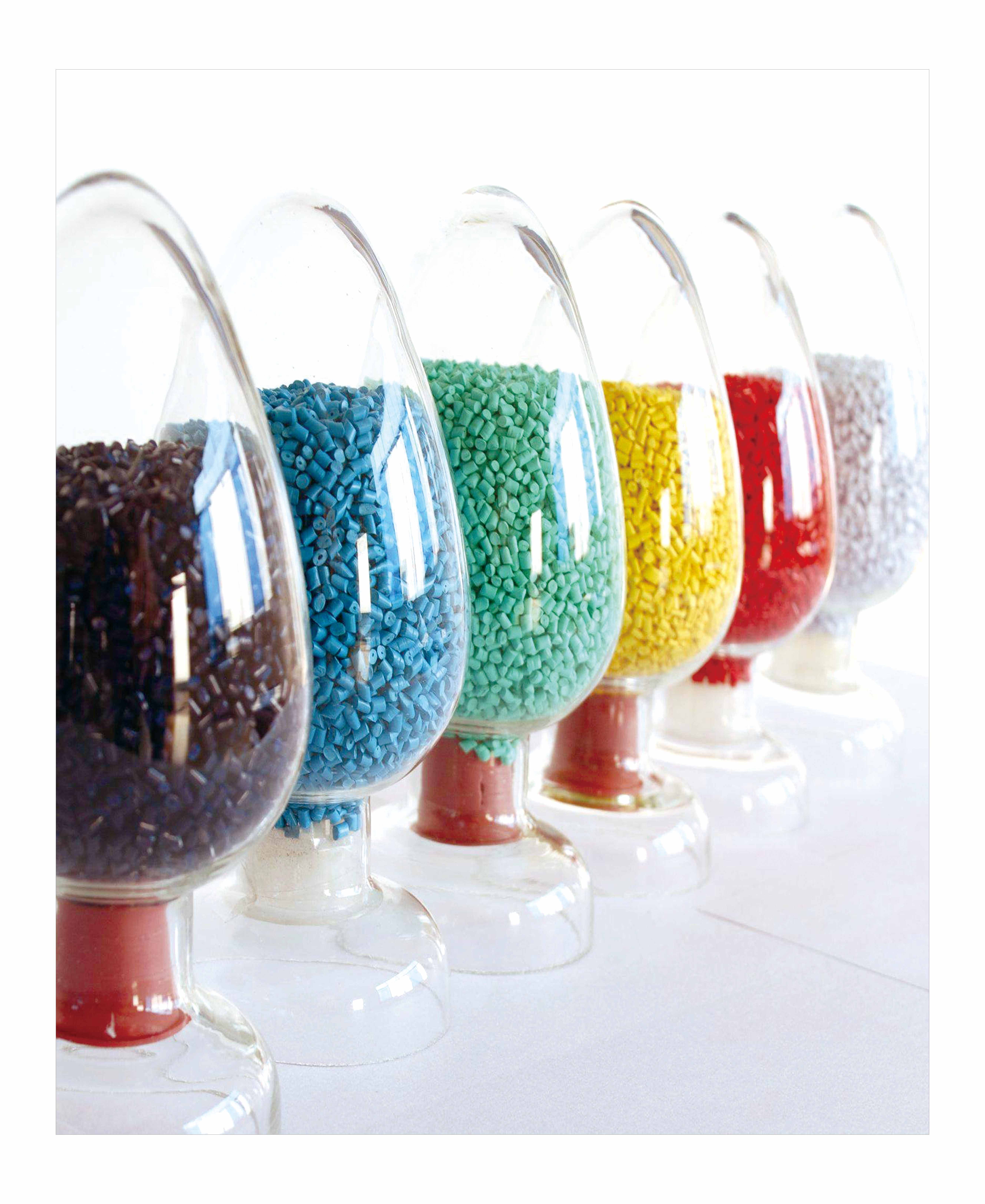
As global concerns about environmental sustainability and carbon footprints grow, chemical industries are increasingly turning to plant-based and bio-derived raw materials as alternatives to petroleum-based and mineral-based substances. These raw materials-derived from renewable sources such as plants, algae, and agricultural waste-offer advantages such as reduced greenhouse gas emissions, biodegradability, and reduced reliance on finite resources. While still a small portion of the overall raw material mix, their use is expanding rapidly, particularly in sectors like cleaning, lubrication, and surface treatment.
Plant Oils: Eco-Friendly Alternatives in Cleaning and Lubrication for Chemical Industries
Plant oils-such as soybean oil, palm oil, and coconut oil-are emerging as viable raw materials in chemical industries, offering a sustainable alternative to mineral oils and petroleum-derived solvents. Their high lipid content and natural emulsifying properties make them ideal for use in degreasers, lubricants, and rust inhibitors.
Soybean oil, for example, is used in the production of bio-based degreasers and metalworking fluids. Unlike mineral oils, soybean oil is biodegradable and non-toxic, making it suitable for applications where environmental impact is a concern-such as in food processing facilities or outdoor equipment maintenance. It acts as a lubricant and emulsifier, reducing friction during machining and breaking down oil and grease in cleaning products. Coconut oil, meanwhile, is rich in lauric acid, which can be converted into surfactants (such as sodium lauryl sulfate) for use in eco-friendly cleaners. These surfactants are biodegradable and less irritating to the skin than their petroleum-derived counterparts, making them ideal for household and industrial cleaning products.
Companies like Xingtai Weineng Technology are exploring the use of plant oils in their product lines to meet growing demand for sustainable chemicals. For instance, Weineng's research and development team is investigating the use of castor oil in rust inhibitors, where its high viscosity and natural anti-corrosive properties could replace traditional mineral oils. While plant oils are often more expensive than petroleum-derived raw materials, their environmental benefits and consumer demand for sustainable products are driving their adoption in chemical industries.
Polysaccharides: Biodegradable Additives in Construction and Coating Chemical Industries
Polysaccharides-complex carbohydrates derived from plants, algae, and fungi-are another class of bio-derived raw materials gaining traction in chemical industries. They are valued for their biodegradability, non-toxicity, and ability to act as thickeners, binders, and film-forming agents. Common examples include starch, cellulose, and chitosan.
Starch-derived from corn, potatoes, and rice-is used in chemical industries as a thickener and binder in construction chemicals and coatings. For example, it is added to concrete protectants (like Weineng's Silane Agent, used for concrete in stations, airports, and bridges) to improve viscosity and adhesion. Starch-based additives also enhance the water retention of concrete, preventing cracking and improving durability. Cellulose-derived from wood pulp and cotton-is used in the production of bio-based surfactants and emulsifiers, as well as in biodegradable packaging materials for chemical products. Chitosan-derived from crustacean shells-is used in rust inhibitors and antimicrobial coatings, where it adheres to metal surfaces and forms a protective layer that resists corrosion and microbial growth.
The use of polysaccharides in chemical industries is still in its early stages, but their potential is significant. For example, researchers are exploring the use of cellulose nanocrystals (CNCs)-derived from wood pulp-as reinforcing agents in composite materials for automotive and aerospace applications. These CNCs offer high strength-to-weight ratios and are fully biodegradable, making them a sustainable alternative to carbon fibers. In the metal surface treatment sector, chitosan-based rust inhibitors are being tested as a replacement for chromate-based inhibitors, which are toxic and environmentally harmful.
Lactic Acid and Bio-Polymers: Innovations in Green Chemical Industries
Lactic acid-produced by the fermentation of sugars from plants like corn and sugarcane-and bio-polymers (polymers derived from renewable resources) are driving innovation in sustainable chemical industries. These raw materials are used in the production of biodegradable plastics, coatings, and specialty chemicals, offering a way to reduce reliance on petroleum-based polymers.
Lactic acid is used in the production of polylactic acid (PLA), a bio-polymer that is fully biodegradable and compostable. PLA is used in chemical industries for packaging materials (such as containers for Weineng's powdered degreasers and rust removers) and as a coating for metal surfaces. Unlike traditional plastic coatings, PLA coatings break down naturally in the environment, reducing waste and pollution. Lactic acid is also used in cleaning products, where it acts as a mild acid to remove mineral deposits and rust from metal surfaces. For example, it may be used in Weineng's Rust Remover for Steel Bars as a safer alternative to strong mineral acids like hydrochloric acid.
Bio-polymers like polyhydroxyalkanoates (PHA)-produced by microorganisms from organic matter-are also gaining popularity in chemical industries. PHA is used in the production of biodegradable lubricants and greases, offering a sustainable alternative to petroleum-based lubricants. These lubricants are non-toxic and biodegradable, making them suitable for use in marine and agricultural equipment, where oil spills can have severe environmental consequences. In metal surface treatment, PHA-based coatings are being tested as a replacement for traditional paint and varnish, offering improved adhesion and corrosion resistance while reducing environmental impact.
Synthetic and Specialty Raw Materials: Enabling High-Performance Products in Chemical Industries
In addition to natural and bio-derived raw materials, chemical industries rely heavily on synthetic and specialty raw materials-substances that are man-made through complex chemical reactions. These materials are designed to have specific properties (such as high temperature stability, chemical resistance, or catalytic activity) that cannot be achieved with natural raw materials. They are critical for the production of high-performance products like specialty coatings, advanced lubricants, and metal surface treatment agents.
Silanes: Protective Agents for Metals and Concrete in Chemical Industries
Silanes-organic-inorganic hybrid compounds-are synthetic raw materials widely used in chemical industries for their ability to form strong bonds with both organic and inorganic surfaces. They are used as adhesion promoters, water repellents, and corrosion inhibitors in products ranging from metal coatings to concrete protectants.
As highlighted on https://www.mic-energy.com/, Weineng's Silane Agent is a key product that uses silanes as its primary raw material. This product is designed to protect concrete surfaces in infrastructure like stations, airports, docks, bridges, and tunnels. Silanes penetrate the porous concrete surface and react with hydroxyl groups in the concrete to form a water-repellent siloxane network. This network prevents water, salts, and other contaminants from penetrating the concrete, reducing cracking, spalling, and corrosion of reinforcing steel. In metal surface treatment, silanes are used as passivation agents, forming a thin, transparent film on metals like aluminum and stainless steel. This film enhances corrosion resistance and improves adhesion of subsequent coatings (such as paints and adhesives).
Silanes are also used in the production of composite materials and specialty lubricants. For example, amino-functional silanes are used as coupling agents in fiberglass-reinforced plastics (FRPs), improving the bond between the glass fibers and the polymer matrix. In lubricants, silane-based additives reduce friction and wear, even at high temperatures, making them suitable for use in automotive engines and industrial machinery. The versatility of silanes makes them a valuable raw material in chemical industries, with applications spanning construction, automotive, electronics, and aerospace.
Chelating Agents: Enhancing Cleaning and Metal Treatment in Chemical Industries
Chelating agents-synthetic compounds that form stable, water-soluble complexes with metal ions-are essential raw materials in chemical industries, particularly in cleaning, water treatment, and metal surface treatment. They prevent the formation of insoluble mineral deposits (such as calcium and magnesium salts) and enhance the effectiveness of cleaning agents and rust removers.
Ethylenediaminetetraacetic acid (EDTA) is one of the most widely used chelating agents in chemical industries. It is added to degreasers, such as Weineng's Degreasing Powder CF01, to bind to calcium and magnesium ions in hard water, preventing the formation of soap scum and mineral deposits that can reduce cleaning efficiency. EDTA is also used in rust removers and phosphating solutions, where it binds to iron ions and prevents the re-deposition of rust on metal surfaces. Another common chelating agent is nitrilotriacetic acid (NTA), which is used in eco-friendly cleaning products as a replacement for EDTA. NTA is more biodegradable than EDTA and offers similar chelating properties, making it suitable for use in household and industrial cleaners.
Chelating agents are often combined with surfactants and alkali metals to create powerful cleaning formulations. For example, Weineng's Copper Seal Agent CS 100 uses a blend of chelating agents and surfactants to remove oxidation from copper surfaces and form a protective seal. This combination ensures that the copper remains free from tarnish and corrosion for an extended period. In chemical industries, the selection of chelating agents is based on factors such as pH stability, metal ion specificity, and environmental impact, with a growing focus on biodegradable chelating agents to meet regulatory requirements.
Corrosion Inhibitors: Specialized Additives for Metal Protection in Chemical Industries
Corrosion inhibitors-synthetic compounds that slow or prevent the corrosion of metals-are critical raw materials in chemical industries, particularly in the production of rust inhibitors, metalworking fluids, and hydraulic oils. They work by adsorbing onto metal surfaces, forming a protective layer that blocks the interaction between the metal and its environment (such as moisture, oxygen, and acids).
There are several types of corrosion inhibitors used in chemical industries, including organic inhibitors, inorganic inhibitors, and mixed inhibitors. Organic inhibitors-such as amines, imidazolines, and thiols-are widely used in rust inhibitors and metalworking fluids. For example, Weineng's Antirust Oil uses organic amines as corrosion inhibitors. These amines adsorb onto metal surfaces and form a hydrophobic layer that repels water and oxygen, preventing rust formation. Inorganic inhibitors-such as chromates, nitrates, and molybdates-are used in passivation solutions and cooling water systems. Chromates, for instance, are used in stainless steel passivation to form a thin, protective oxide film on the metal surface. However, due to their toxicity, chromates are being replaced by less harmful alternatives like molybdates and silicates.
Mixed inhibitors-combinations of organic and inorganic inhibitors-are often used in high-performance applications where maximum corrosion protection is required. For example, Weineng's Oil and Rust Removal in One product uses a blend of organic amines and molybdates to dissolve rust and form a protective layer on metal surfaces. This combination ensures fast rust removal while providing long-term corrosion protection. In chemical industries, the selection of corrosion inhibitors is based on factors such as metal type, environmental conditions (temperature, pH, and humidity), and compatibility with other additives. With increasing regulatory pressure to reduce the use of toxic inhibitors, manufacturers are investing in the development of eco-friendly corrosion inhibitors-such as plant-based inhibitors and nanocomposite inhibitors-that offer high performance without compromising environmental safety.

The Future of Raw Materials in Evolving Chemical Industries
The chemical industry is in a state of constant evolution, driven by changing consumer demands, regulatory requirements, and technological advancements. Raw materials- the foundation of chemical production-are at the heart of this evolution, with trends shifting toward sustainability, innovation, and efficiency. From mineral-based and petroleum-derived materials that have long been industry staples to emerging plant-based and synthetic alternatives, the raw material landscape is becoming increasingly diverse.
As highlighted throughout this article, companies like Xingtai Weineng Technology (https://www.mic-energy.com/) are adapting to these trends by incorporating a mix of traditional and sustainable raw materials into their product lines. For example, while still relying on mineral oils and phosphates for high-performance degreasers and rust inhibitors, Weineng is exploring plant-based oils and biodegradable surfactants to meet growing demand for eco-friendly products. This balance between performance and sustainability is key to the future of chemical industries, as manufacturers seek to reduce their environmental impact without compromising product quality.
Looking ahead, several trends are likely to shape the use of raw materials in chemical industries. First, the shift toward renewable and bio-derived raw materials will accelerate, driven by global efforts to reduce carbon emissions and reliance on finite resources. Second, innovation in synthetic raw materials-such as nanocomposite corrosion inhibitors and advanced silanes-will enable the development of high-performance products for emerging sectors like electric vehicles and renewable energy. Third, the focus on circular economy principles will lead to increased recycling and reuse of raw materials, reducing waste and lowering production costs.
In conclusion, raw materials are more than just inputs in chemical industries-they are strategic assets that drive innovation, sustainability, and competitiveness. By understanding the properties, applications, and trends of these raw materials, chemical manufacturers can develop products that meet the needs of today's markets while preparing for the challenges of tomorrow. Whether it's a mineral-based phosphate for a phosphating solution, a plant-based oil for a bio-degreaser, or a synthetic silane for a concrete protectant, each raw material plays a vital role in powering the global chemical industry and the sectors it serves.