

Anhydrous sodium sulfate (Na₂SO₄) is a widely used desiccant and processing aid in the chemical and food industries. In caffeine production, it plays a critical role in purification and moisture control. This article explores its chemical properties, applications in caffeine extraction, and safety considerations.
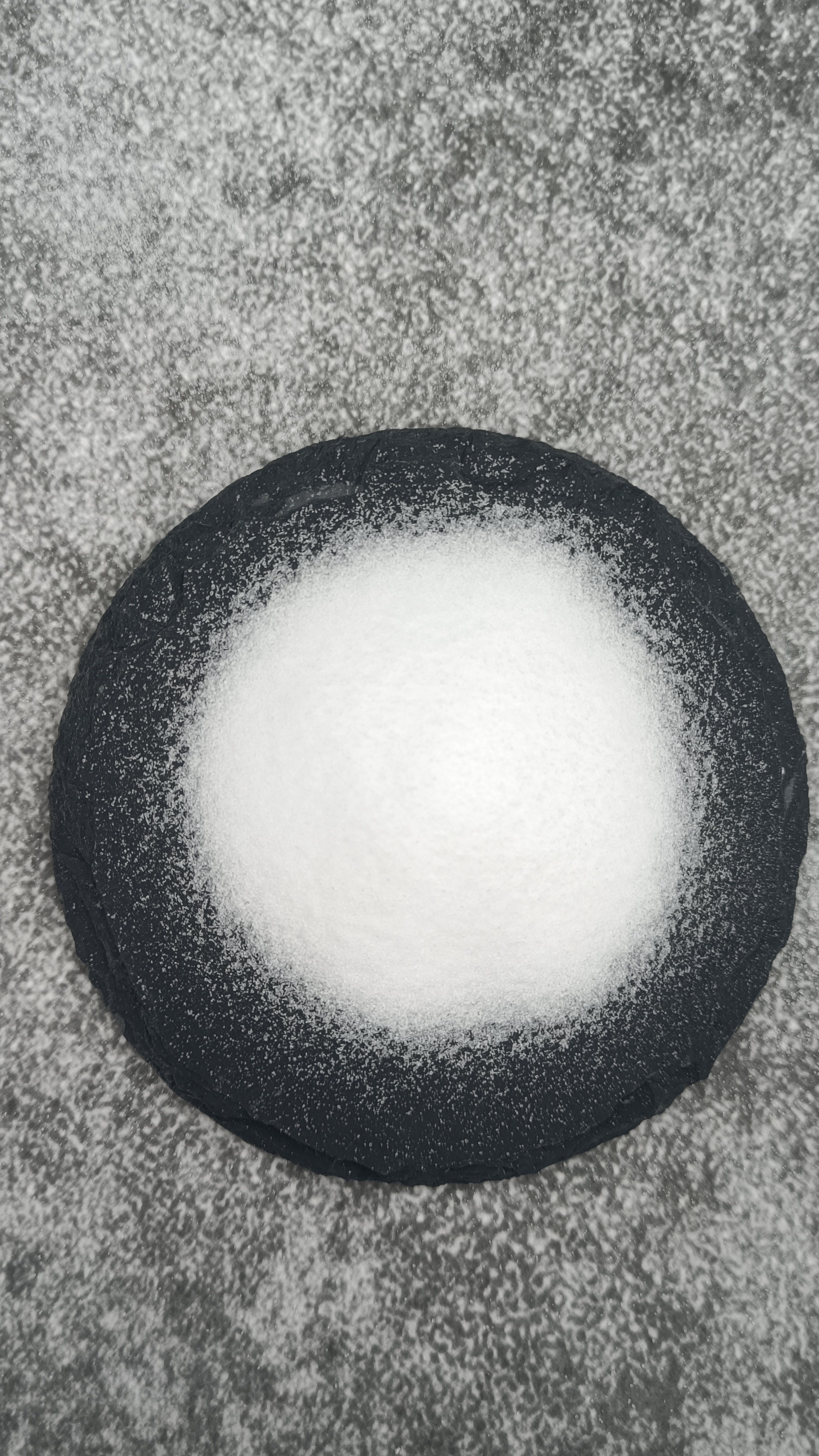
Anhydrous sodium sulfate (Na2SO4), a white, odorless, crystalline solid, plays a crucial role in the context of caffeine, primarily in the extraction and purification processes. To understand its function, it is essential to explore the journey of caffeine from its natural sources to a refined, usable compound.
Caffeine is naturally present in a variety of plants, including coffee beans, tea leaves, cocoa beans, and kola nuts. When extracting caffeine from these natural sources, the initial extracts often contain not only caffeine but also various other compounds, such as water, plant pigments, and organic acids. Water, in particular, can be a significant impurity that needs to be removed during the purification process, and this is where anhydrous sodium sulfate comes into play.
One of the primary functions of anhydrous sodium sulfate in caffeine processing is as a drying agent. It has a strong affinity for water molecules. When added to a solution containing caffeine and water, anhydrous sodium sulfate readily absorbs water, forming a hydrate. For example, it can combine with water to form sodium sulfate decahydrate (Na2SO4⋅10H2O). This property allows it to effectively remove traces of water from the caffeine - containing solution. By eliminating water, anhydrous sodium sulfate helps prevent the growth of mold and bacteria that could occur in a wet environment, ensuring the stability and quality of the caffeine product.
In the extraction process, after the initial extraction of caffeine from plant materials using solvents like dichloromethane or ethyl acetate, the solvent - caffeine mixture often contains water. If this water is not removed, it can interfere with subsequent purification steps, such as recrystallization.
Anhydrous sodium sulfate is added to the solvent - caffeine mixture. The water molecules are attracted to the surface of the anhydrous sodium sulfate crystals, and as the water binds to the salt, it is sequestered from the solution. Once the water has been absorbed, the anhydrous sodium sulfate can be easily separated from the solution, typically by filtration. The resulting caffeine - solvent solution is then relatively free of water, making it more suitable for further purification.
Another important aspect is that anhydrous sodium sulfate can also assist in the separation of different components in the extraction mixture. In some cases, it can interact with certain impurities in a way that makes them more insoluble or causes them to aggregate, facilitating their removal from the caffeine - containing solution. This interaction can contribute to the overall purity of the caffeine product.
Furthermore, anhydrous sodium sulfate is a cost - effective and relatively safe drying agent compared to some other alternatives. It is non - toxic, non - flammable, and easy to handle. These properties make it a preferred choice in the caffeine production industry, where both efficiency and safety are of utmost importance.
In conclusion, anhydrous sodium sulfate is an indispensable component in the extraction and purification of caffeine. Its role as a drying agent and its ability to aid in the separation of impurities contribute significantly to obtaining high - purity caffeine. From ensuring product stability to facilitating the purification process, anhydrous sodium sulfate plays a vital part in the journey of caffeine from plant - derived raw materials to a refined compound used in a wide range of products, from beverages to pharmaceuticals.

Chemical Properties of Anhydrous Sodium Sulfate
Anhydrous sodium sulfate is a white crystalline solid with high hygroscopicity, meaning it readily absorbs water. Key characteristics include:
Molecular Formula: Na₂SO₄
Melting Point: 884°C
Solubility: Highly soluble in water, insoluble in organic solvents
Desiccant Function: Removes trace water from organic solutions during chemical processes
Its inert nature makes it ideal for use in caffeine processing, where maintaining a dry environment is essential.

Role in Caffeine Production
Purification of Crude Caffeine
During caffeine extraction from natural sources (e.g., coffee beans or tea leaves), organic solvents like dichloromethane are used. Anhydrous sodium sulfate is added to:
Remove residual water from the solvent-caffeine mixture
Prevent hydrolysis of caffeine
Improve crystallization efficiency
Solvent Drying
In synthetic caffeine production, Na₂SO₄ ensures solvents remain anhydrous, avoiding side reactions that could reduce yield or purity.
Industrial-Scale Applications
Large-scale manufacturers use Na₂SO₄ in column chromatography and filtration systems to maintain optimal conditions for caffeine isolation.

Safety and Regulatory Aspects
Food-Grade Use: Approved by the FDA and EFSA as a processing aid (not a direct additive).
Toxicity: Low toxicity; excessive inhalation may cause respiratory irritation.
Environmental Impact: Biodegradable, but industrial discharge must be controlled.
Alternatives and Future Trends
While Na₂SO₄ remains cost-effective, alternatives like molecular sieves or silica gel are being explored for greener chemistry applications.
Conclusion
Anhydrous sodium sulfate is indispensable in caffeine production, ensuring high purity and efficiency. Its safety and effectiveness solidify its role in both laboratory and industrial settings.