

Introduction
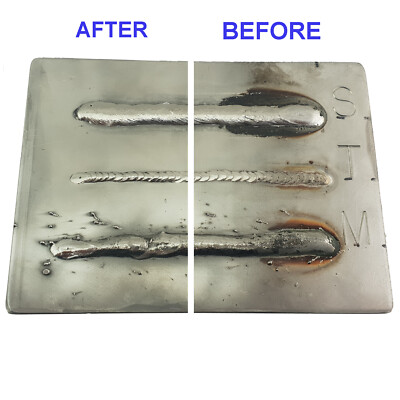
Stainless steel is widely used in various industries due to its excellent corrosion resistance, strength, and aesthetic properties. However, even stainless steel is not completely immune to corrosion under certain conditions. Passivation is a crucial process that can enhance the corrosion resistance of stainless steel, and stainless steel passivation paste is a commonly used product for this purpose.
Understanding Passivation
Passivation is a chemical process that occurs on the surface of a metal, in this case, stainless steel. When stainless steel is exposed to certain environments, such as air or specific chemical solutions, a thin, invisible, and highly adherent oxide layer forms on its surface. This oxide layer is known as the passive film. The passive film acts as a protective barrier, preventing further oxidation and corrosion of the underlying metal. It is important to note that the passive film is self repairing to a certain extent. If the surface is scratched or damaged, the underlying metal can react with oxygen in the environment to reform the passive film.
What is Stainless Steel Passivation Paste?
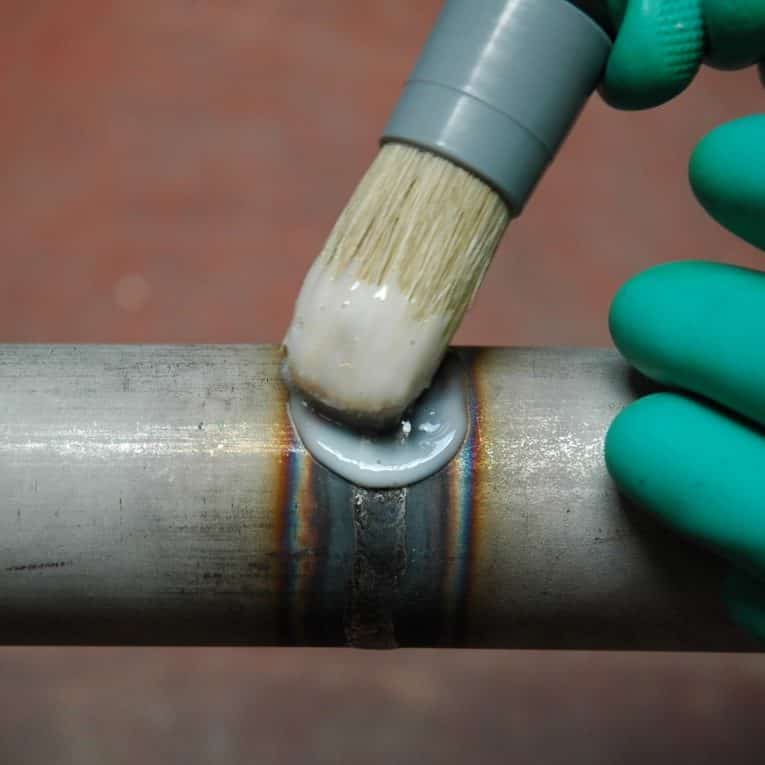
Stainless steel passivation paste is a formulated chemical product designed specifically to facilitate the passivation process of stainless steel surfaces. It is a paste like substance, which makes it convenient for application on various stainless steel objects, including those with complex shapes or hard to reach areas. The paste contains a combination of chemicals that are carefully selected to promote the formation of a stable and uniform passive film on the stainless steel surface.
Components of Stainless Steel Passivation Paste
Acidic Agents: Many passivation pastes contain acidic components such as nitric acid, citric acid, or phosphoric acid. These acids play a crucial role in the passivation process.
Inhibitors: Some passivation pastes also contain inhibitors. These are chemicals that slow down the rate of corrosion or side reactions during the passivation process. Inhibitors can help to ensure that the passivation reaction proceeds in a controlled manner, preventing excessive etching of the stainless - steel surface.
Thickeners: To give the passivation product its paste like consistency, thickeners are added. Common thickeners include substances like bentonite clay or certain polymers. The thickeners help the paste to adhere to the stainless steel surface, especially in vertical or irregularly shaped areas, and prevent it from dripping or running off before the passivation reaction is complete.
Applications of Stainless Steel Passivation Paste
Food and Beverage Industry: Stainless steel is extensively used in the food and beverage industry for equipment such as tanks, pipelines, and processing machinery. Passivation using passivation paste is essential to ensure that the stainless steel surfaces are free from contaminants and have enhanced corrosion resistance. This is crucial as any corrosion or contamination could affect the quality and safety of the food and beverages being processed. For example, in a brewery, the stainless steel fermentation tanks are passivated to prevent the formation of rust or other contaminants that could alter the taste and quality of the beer.
Medical Field: Stainless steel is a common material in medical devices, such as surgical instruments and implants. Passivation of these devices using passivation paste helps to improve their biocompatibility and corrosion resistance. A stable passive film on the surface of a surgical instrument or implant reduces the risk of metal ions leaching into the body, which could cause adverse reactions. Additionally, the enhanced corrosion resistance ensures the long term integrity of the device within the body.
Aerospace Industry: In the aerospace industry, where components are often exposed to harsh environments, stainless steel parts need to have excellent corrosion resistance. Passivation paste is used to treat parts such as aircraft engine components, landing gear parts, and structural components. The application of passivation paste helps to protect these parts from corrosion, which could compromise the safety and performance of the aircraft.
Architectural Applications: Stainless steel is widely used in architecture for decorative elements, handrails, and facades. Passivation using passivation paste can enhance the appearance and durability of these structures. By forming a protective passive film, the stainless steel surfaces are less likely to develop rust stains or discoloration, maintaining their aesthetic appeal over time.
The Process of Using Stainless Steel Passivation Paste
Surface Preparation: Before applying the passivation paste, the stainless steel surface must be thoroughly cleaned. This involves removing any dirt, oil, grease, or other contaminants. Degreasing agents or solvents can be used to clean the surface. Mechanical methods such as abrasive blasting or wire brushing can also be used to remove heavy contaminants and roughen the surface slightly, which can enhance the adhesion of the passivation paste.
Reaction Time: After application, the passivation paste is left on the surface for a specific period of time to allow the chemical reaction to occur. The reaction time can vary depending on factors such as the type of stainless steel, the composition of the passivation paste, and the temperature. Generally, the reaction time ranges from 15 minutes to several hours. During this time, the chemicals in the paste react with the stainless steel surface to form the passive film.
Conclusion
Stainless steel passivation paste is a valuable product in enhancing the corrosion resistance of stainless steel surfaces. Through a chemical reaction that forms a protective passive film, it helps to extend the lifespan of stainless steel components in various industries. Understanding its components, applications, and the proper usage process is essential for ensuring the effectiveness of the passivation treatment. Whether in the food and beverage industry, medical field, aerospace industry, or architecture, the use of stainless - steel passivation paste plays a crucial role in maintaining the integrity and performance of stainless steel objects.