

What is the anti-rust chemical for rebar?
Rebar, short for reinforcing bar, is a crucial component in the construction industry, providing tensile strength to concrete structures. However, its susceptibility to rust poses a significant threat to the durability and structural integrity of buildings and infrastructure. Rust not only weakens the rebar itself but can also cause the concrete to crack and spall, leading to costly repairs and potential safety hazards. To combat this issue, various anti-rust chemicals have been developed, each with its own unique properties and applications.
Understanding the Rusting Process
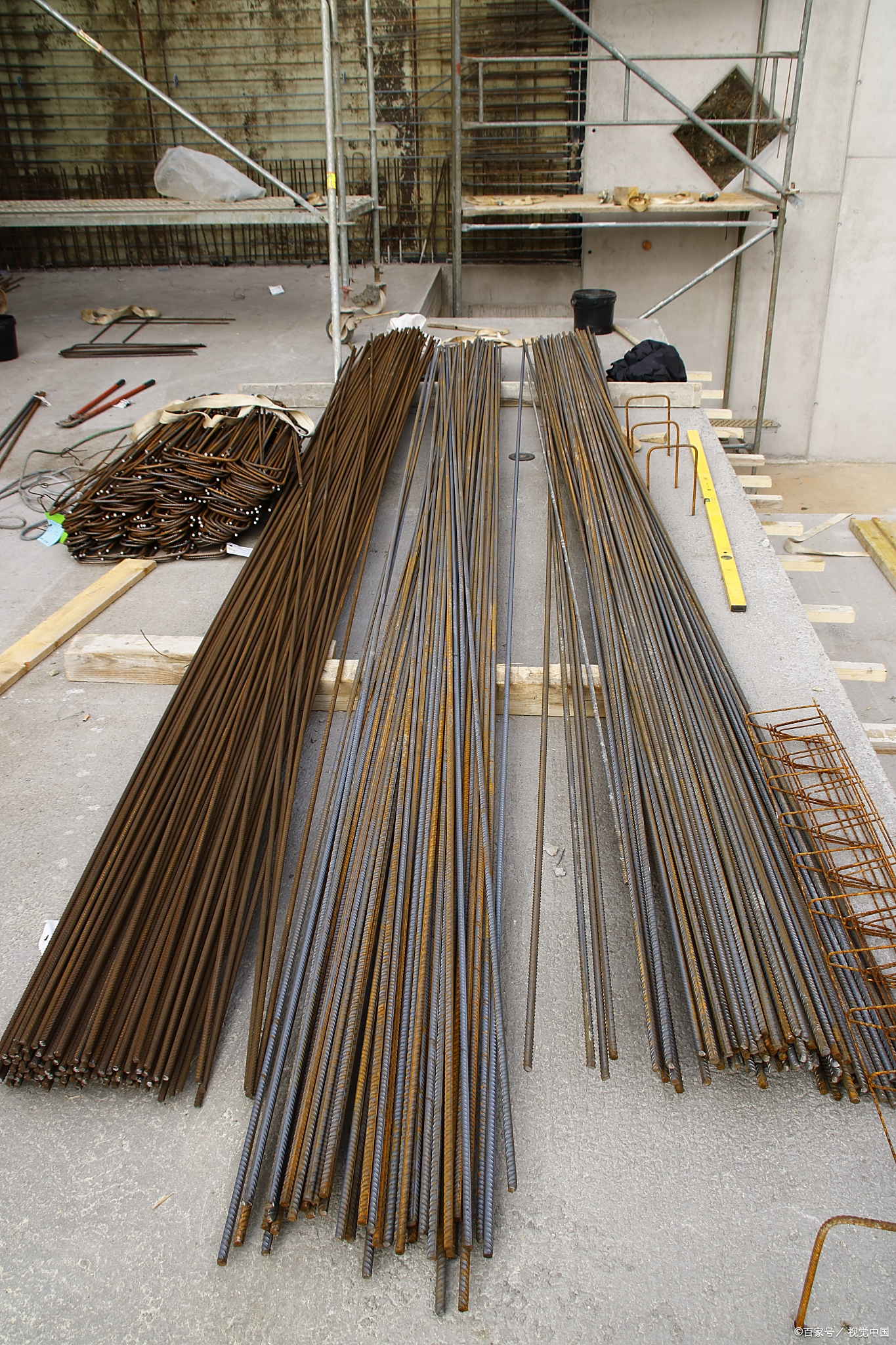
Before delving into the anti-rust chemicals, it's essential to understand how rust forms on rebar. Rust is the result of a chemical reaction between iron (a major component of rebar) and oxygen in the presence of water or moisture. This process, known as oxidation, gradually eats away at the rebar, reducing its cross-sectional area and mechanical properties. The presence of certain ions, such as chloride ions commonly found in seawater or de-icing salts, can accelerate the rusting process by breaking down the protective oxide layer on the rebar surface.
Types of Anti-rust Chemicals for Rebar
1. Zinc-based Coatings
Zinc is a popular choice for anti-rust protection due to its sacrificial nature. When applied to rebar, zinc forms a protective layer that corrodes preferentially to the underlying iron. This process, called cathodic protection, effectively shields the rebar from rust. Zinc coatings can be applied through various methods, including hot-dip galvanizing, where the rebar is immersed in a bath of molten zinc, and electro-galvanizing, which involves depositing a thin layer of zinc onto the rebar using an electric current. Hot-dip galvanizing provides a thicker and more durable coating, making it suitable for applications in harsh environments, such as coastal areas or structures exposed to de-icing salts.
2. Epoxy Coatings
Epoxy coatings are another widely used anti-rust solution for rebar. These coatings form a tough, impermeable barrier that prevents oxygen and moisture from reaching the rebar surface. Epoxy coatings can be applied in a variety of ways, including spray application, dipping, or brush-on methods. They offer excellent adhesion to the rebar and provide long-term protection against rust. However, proper surface preparation is crucial for ensuring the effectiveness of epoxy coatings. The rebar surface must be clean, free of rust and contaminants, and roughened to enhance adhesion.
3. Inhibitor-based Chemicals
Inhibitor-based anti-rust chemicals work by interfering with the electrochemical reactions that cause rust. These chemicals contain compounds that adsorb onto the rebar surface, forming a protective film that inhibits the oxidation process. Inhibitors can be classified into two main types: anodic inhibitors and cathodic inhibitors. Anodic inhibitors, such as chromates and nitrites, work by promoting the formation of a passive oxide layer on the rebar surface, which prevents further oxidation. Cathodic inhibitors, on the other hand, work by reducing the rate of oxygen reduction at the cathode, thereby slowing down the overall rusting process. Inhibitor-based chemicals can be applied as a liquid solution, a powder, or incorporated into the concrete mix itself.
4. Silane and Siloxane Coatings
Silane and siloxane coatings are water-repellent treatments that can effectively prevent rust on rebar by reducing the amount of water that comes into contact with the surface. These coatings penetrate into the pores of the concrete and form a hydrophobic layer that repels water. By minimizing water absorption, silane and siloxane coatings help to prevent the electrochemical reactions that lead to rust. They are particularly effective in protecting rebar in structures exposed to high humidity or frequent wetting and drying cycles. Silane and siloxane coatings can be applied as a spray or a brush-on treatment and are relatively easy to apply and maintain.
5. Bio-based Anti-rust Agents
In recent years, there has been a growing interest in developing bio-based anti-rust agents as a more sustainable alternative to traditional chemical treatments. These agents are derived from natural sources, such as plant extracts or microorganisms, and offer the potential for environmentally friendly rust protection. Some bio-based anti-rust agents work by forming a protective film on the rebar surface, similar to traditional inhibitors, while others may have antibacterial or antifungal properties that help to prevent the growth of organisms that can contribute to rust formation. Although still in the early stages of development, bio-based anti-rust agents show promise as a sustainable solution for protecting rebar in the future.
Choosing the Right Anti-rust Chemical
Selecting the appropriate anti-rust chemical for rebar depends on several factors, including the specific application, environmental conditions, and budget. For structures in highly corrosive environments, such as coastal areas or industrial settings, more robust and durable anti-rust solutions, like hot-dip galvanizing or high-quality epoxy coatings, may be required. In less severe environments, inhibitor-based chemicals or silane coatings may offer a more cost-effective option. It's also important to consider the compatibility of the anti-rust chemical with the concrete mix and any other construction materials used. Additionally, proper application and maintenance of the anti-rust treatment are crucial for ensuring its long-term effectiveness.
In conclusion, the choice of anti-rust chemical for rebar plays a vital role in safeguarding the integrity and longevity of concrete structures. By understanding the different types of anti-rust chemicals available and their respective advantages and limitations, construction professionals can make informed decisions to protect rebar from the damaging effects of rust. Whether through the use of zinc coatings, epoxy coatings, inhibitor-based chemicals, silane and siloxane coatings, or emerging bio-based agents, the right anti-rust solution can help to ensure the durability and safety of buildings and infrastructure for years to come.