

Zinc Based Phosphating Solution
Zinc based phosphating solution is a chemical formulation that plays a pivotal role in surface treatment processes. It primarily consists of zinc phosphate salts, free phosphoric acid, and accelerators. The solution is designed to create a protective layer on metal surfaces through a chemical reaction, rather than relying on electrical current as in traditional plating methods. This process is known as conversion coating, where the metal substrate reacts with the solution to form a crystalline zinc phosphate layer.
The composition of the solution is carefully balanced to ensure optimal performance. Zinc phosphate salts act as the main source of zinc ions, which are essential for forming the protective coating. Free phosphoric acid facilitates the reaction by dissolving metal ions from the substrate. Accelerators, such as nitrates or chlorates, are added to enhance the reaction rate and reduce the processing temperature. This combination of components makes zinc based phosphating solution highly effective for various industrial applications.
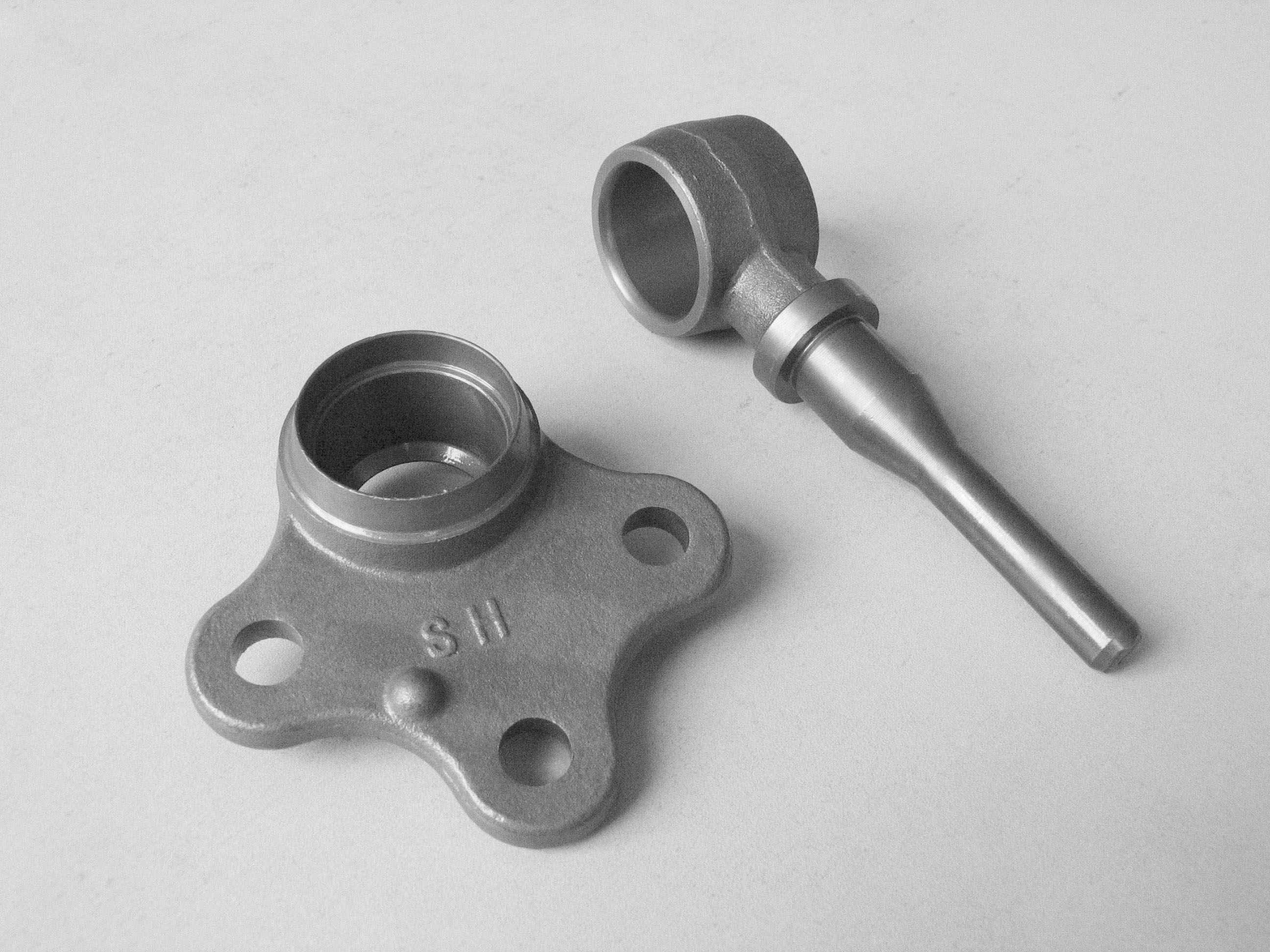
The Core Components and Their Roles
Zinc Phosphate Salts
Zinc phosphate salts are the foundation of the phosphating solution. They provide the necessary zinc ions that react with the metal surface to form a protective layer. The most common zinc phosphate salt used is Zn(H₂PO₄)₂, which dissociates in water to release zinc and phosphate ions. These ions are crucial for the formation of a crystalline coating that adheres firmly to the metal substrate. The quality and quantity of these salts directly influence the durability and effectiveness of the phosphate layer.
Free Phosphoric Acid
Free phosphoric acid is another critical component of the solution. It serves as a catalyst for the chemical reaction between the metal substrate and the zinc ions. By dissolving metal ions from the surface, phosphoric acid creates a reactive environment that promotes the formation of zinc phosphate crystals. The concentration of free phosphoric acid must be carefully controlled to ensure a consistent reaction rate and avoid excessive metal dissolution, which could weaken the substrate.
Accelerators
Accelerators are added to the solution to enhance the phosphating process. They reduce the required processing temperature and speed up the reaction rate, making the process more efficient and cost-effective. Common accelerators include nitrates, chlorates, and organic compounds. These substances work by oxidizing the metal surface, which increases the reactivity of the substrate and promotes faster crystal formation. The use of accelerators allows for lower energy consumption and shorter processing times, which are beneficial for industrial applications.

The Phosphating Process: A Step-by-Step Overview
Degreasing
The first step in the phosphating process is degreasing. This involves cleaning the metal surface to remove oils, grease, and other contaminants that could interfere with the chemical reaction. A weakly alkaline cleaner is typically used, with concentrations around 1% and temperatures between 50-55°C. This gentle cleaning ensures that the surface is free from impurities without causing damage to the metal. Degreasing is essential for achieving a uniform and effective phosphate coating.
Rinsing
After degreasing, the metal undergoes rinsing to remove any residual cleaner. This step is crucial to prevent contamination of the phosphating solution and ensure a clean surface for the next stage. Rinsing is usually done with water at room temperature, and it may involve multiple stages to achieve thorough cleaning. Proper rinsing helps maintain the quality of the phosphate layer and prevents defects such as uneven coating or poor adhesion.
Phosphating
The phosphating stage is where the actual conversion coating is formed. The metal is immersed in the zinc based phosphating solution, which reacts with the surface to create a crystalline zinc phosphate layer. The solution contains zinc ions, phosphate ions, and accelerators, which work together to form a durable and protective coating. The process temperature and time are carefully controlled to ensure optimal crystal formation. The resulting coating is non-conductive and provides excellent corrosion resistance.
Rinsing and Sealing
After phosphating, the metal is rinsed again to remove any excess solution. This step ensures that the coating is clean and free from contaminants. Following rinsing, the metal may undergo a sealing process, where a sealant is applied to enhance the durability and corrosion resistance of the phosphate layer. Sealing is particularly important for applications where the coating will be exposed to harsh environments. The final product is a metal surface with a robust and protective zinc phosphate coating.

Applications of Zinc Based Phosphating Solution
Pretreatment for Painting
One of the primary applications of zinc based phosphating solution is as a pretreatment for painting. The phosphate layer created by the solution provides an excellent base for paint adhesion, ensuring a durable and long-lasting finish. This application is widely used in automotive and aerospace industries, where painted surfaces must withstand extreme conditions. The phosphating process enhances the paint's resistance to corrosion, weathering, and mechanical wear, making it ideal for high-performance applications.
Enhancing Corrosion Protection
Zinc based phosphating solution is also used to enhance corrosion protection in various metal components. The crystalline phosphate layer acts as a barrier against moisture and oxygen, preventing rust and degradation. This application is particularly valuable for outdoor structures, marine equipment, and industrial machinery exposed to harsh environments. The corrosion-resistant properties of the phosphate coating extend the lifespan of metal parts and reduce maintenance costs.
Assisting Cold Forming Processes
In cold forming operations, zinc based phosphating solution improves the workability of metal sheets and components. The phosphate layer reduces friction between the metal and forming tools, allowing for smoother and more efficient shaping. This application is common in the manufacturing of automotive parts, where precise and complex shapes are required. The solution's ability to assist cold forming processes enhances productivity and reduces tool wear.
Improving Sliding Friction Properties
Another significant application of zinc based phosphating solution is improving the sliding friction properties of components in sliding contact. The phosphate layer provides a smooth and low-friction surface, which is essential for gears, bearings, and other moving parts. This application helps reduce energy consumption and wear in mechanical systems, leading to quieter operation and longer component life. Industries such as automotive and machinery manufacturing benefit greatly from this application.
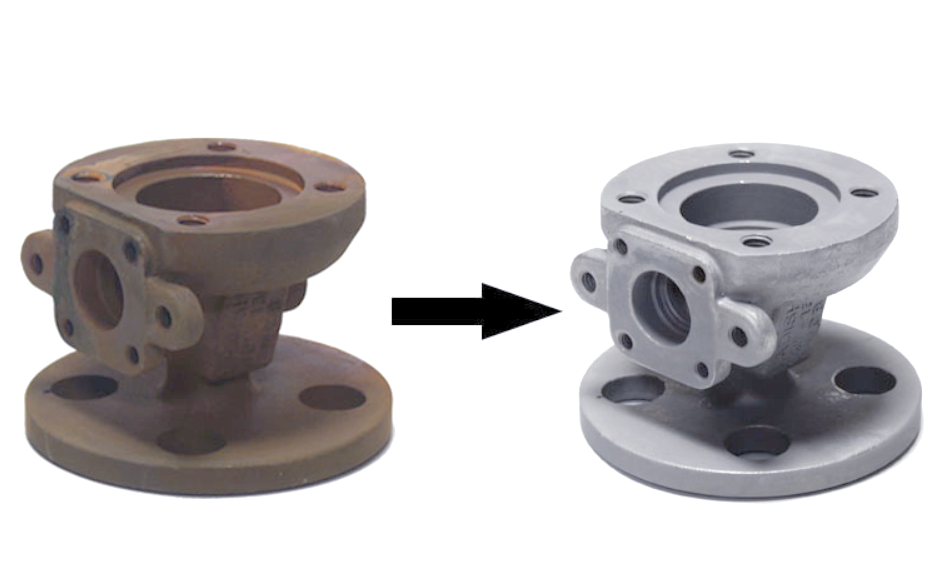
Advantages of Using Zinc Based Phosphating Solution
Cost-Effectiveness
Zinc based phosphating solution offers a cost-effective solution for surface treatment compared to other methods. The process requires relatively low energy consumption and uses inexpensive chemicals, making it accessible for various industries. Additionally, the durability of the phosphate coating reduces the need for frequent maintenance and replacements, further lowering overall costs.
Environmental Benefits
The solution is environmentally friendly, as it produces minimal waste and emissions during the process. Unlike some plating methods that involve hazardous substances, zinc based phosphating relies on non-toxic chemicals. This makes it a sustainable choice for industries aiming to reduce their environmental footprint. The process also supports recycling efforts by extending the lifespan of metal components.
Versatility in Applications
Zinc based phosphating solution is highly versatile, suitable for a wide range of metals and applications. Whether used for painting pretreatment, corrosion protection, or improving mechanical properties, the solution adapts to various industrial needs. Its flexibility makes it a preferred choice for manufacturers across different sectors, from automotive to construction.
Long-Term Durability
The phosphate coating formed by the solution provides long-term durability, ensuring reliable performance under diverse conditions. The crystalline structure of the coating offers excellent adhesion and resistance to wear, making it ideal for high-stress environments. This durability translates to reduced downtime and maintenance, enhancing operational efficiency for industries relying on metal components.