

Understanding Copper Oxidation and the Role of Cleaners
Copper is a versatile and widely used metal, prized for its excellent conductivity, malleability, and aesthetic appeal. However, it is highly susceptible to oxidation-a natural process where copper reacts with oxygen, moisture, and other environmental elements to form a layer of oxides on its surface. This oxidation layer, often appearing as a dull green, brown, or black film, not only diminishes copper's visual charm but can also impair its functional properties over time. The good news is that various solutions can effectively remove this oxidation, and copper cleaners stand out as the most efficient and reliable option for both household and industrial applications. This article focuses on exploring different types of copper cleaners, their working mechanisms, application methods, and important considerations to help you choose the right product for your needs.
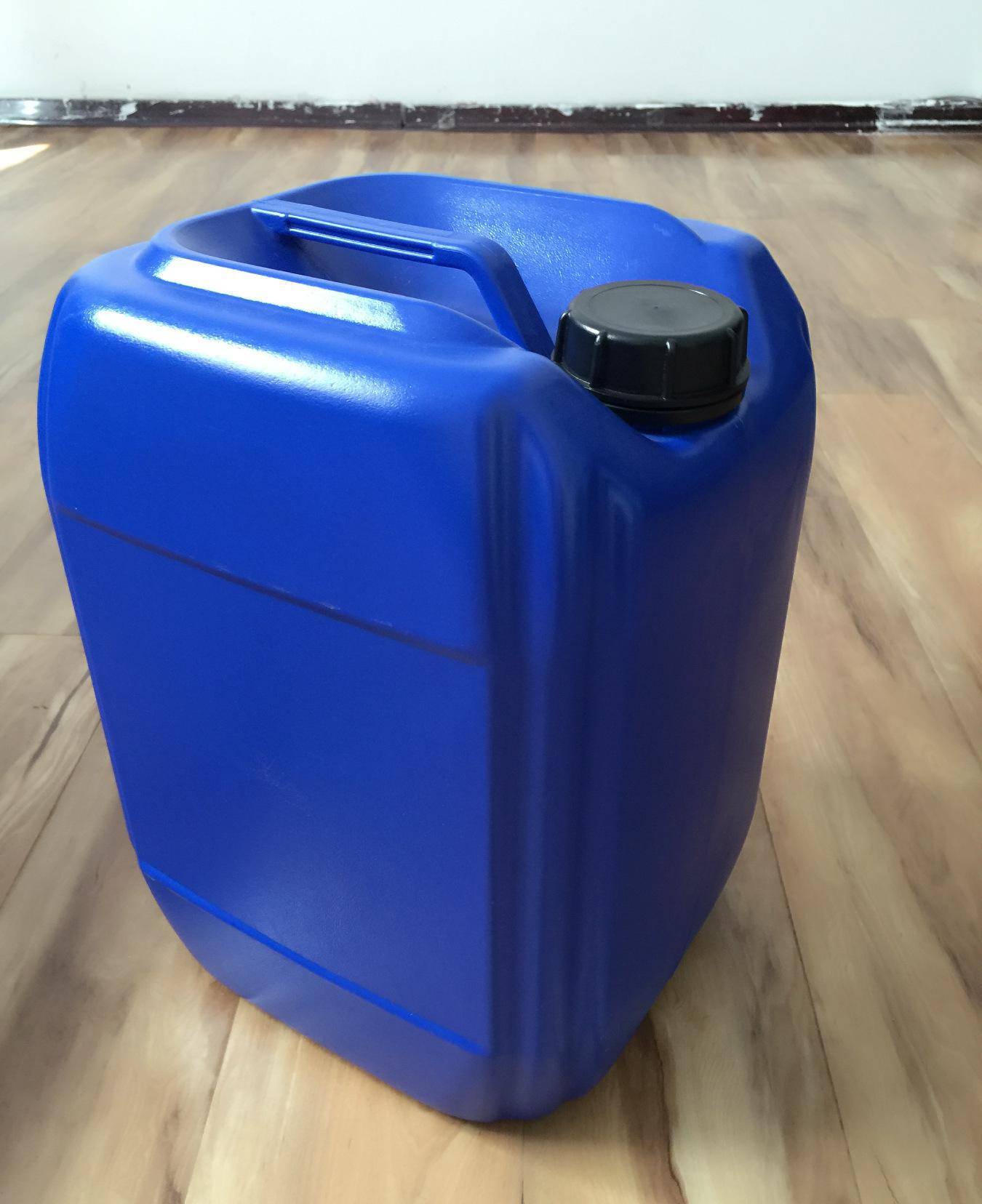
Types of Copper Cleaners: A Comprehensive Overview
Copper cleaners are formulated to target and break down the oxidation layer (primarily copper oxide and cuprous oxide) without damaging the underlying copper surface. They come in several forms, each designed for specific use cases-from small household items like copper cookware and jewelry to large industrial copper components. The main categories of copper cleaners include acidic cleaners, abrasive cleaners, chelating cleaners, and natural/organic cleaners. Each type has unique characteristics, advantages, and limitations, making them suitable for different oxidation levels and copper items.
Acidic Copper Cleaners: For Heavy Oxidation
Acidic cleaners are among the most powerful options for removing heavy oxidation from copper. They work by reacting with the oxide layer, dissolving it and revealing the bright copper underneath. Common acids used in these cleaners include citric acid, phosphoric acid, and oxalic acid. Many commercial acidic cleaners are formulated with buffers to prevent over-etching of the copper surface, ensuring effective cleaning without causing damage. They are ideal for items with thick, stubborn oxidation, such as old copper pipes, outdoor copper fixtures, and heavily tarnished copper ornaments. However, they require careful handling due to their corrosive nature, and users must follow safety instructions closely.

Abrasive Copper Cleaners: For Mild to Moderate Tarnish
Abrasive copper cleaners rely on physical friction to scrub away the oxidation layer. They typically come in the form of pastes, creams, or powders, containing mild abrasive particles like microbeads, pumice, or silica. These particles are gentle enough not to scratch the copper surface when used correctly, making them suitable for items like copper cookware, tableware, and decorative pieces with mild to moderate tarnish. Abrasive cleaners are easy to use-simply apply a small amount to a soft cloth, rub in a circular motion, and rinse thoroughly. They are a popular choice for household use due to their accessibility and user-friendliness, though they may require more elbow grease compared to acidic cleaners.
Chelating Copper Cleaners: For Precision Cleaning
Chelating copper cleaners use chelating agents-chemical compounds that bind to metal ions in the oxidation layer, forming soluble complexes that can be easily rinsed away. Unlike acidic cleaners, they do not rely on corrosion to remove oxidation, making them gentler on copper surfaces. This makes them ideal for precision items like copper electronics, musical instruments, and delicate jewelry, where harsh chemicals or abrasion could cause damage. Chelating cleaners are also effective in hard water environments, as they can bind to mineral ions that might interfere with the cleaning process. They are often used in industrial settings for cleaning copper components that require high precision.
Natural and Organic Copper Cleaners: For Eco-Friendly Needs
Natural and organic copper cleaners have gained popularity in recent years due to their eco-friendliness and safety for home use. These cleaners use natural ingredients like lemon juice (citric acid), vinegar (acetic acid), baking soda (sodium bicarbonate), and salt as mild abrasives or acids to remove oxidation. For example, a mixture of lemon juice and salt creates a gentle abrasive paste that works well on mild tarnish. Natural cleaners are non-toxic, biodegradable, and safe to use on items that come into contact with food, such as copper pots and pans. However, they are generally less powerful than commercial acidic or chelating cleaners and may require repeated applications for heavy oxidation.

Step-by-Step Guide to Using Copper Cleaners Effectively
Using the right copper cleaner is only half the battle-proper application is key to achieving the best results without damaging the copper surface. Regardless of the type of cleaner you choose, following a systematic approach will ensure safe and effective oxidation removal. Below is a step-by-step guide that applies to most copper cleaning scenarios, along with tips for specific cleaner types.
Pre-Cleaning Preparation
Before applying any copper cleaner, start by removing any loose dirt, dust, or debris from the copper surface. Use a soft brush or a damp cloth to wipe down the item gently. This prevents dirt particles from scratching the copper during the cleaning process. For items with grease or oil buildup (such as copper cookware), pre-wash with mild soap and water, then dry thoroughly. Ensure the surface is completely dry before applying the cleaner, as moisture can dilute the cleaner and reduce its effectiveness.
Application of Copper Cleaners
The application method varies slightly depending on the type of cleaner. For acidic cleaners, apply a small amount to a soft sponge or cloth (avoid using metal brushes, which can scratch copper) and gently rub the oxidized areas. For abrasive pastes or creams, use a circular motion to work the cleaner into the tarnish. Chelating cleaners can be applied with a cloth or sprayed onto the surface, depending on the product form. Natural cleaners, such as lemon juice and salt paste, can be spread directly onto the oxidized areas using a cloth or your fingers.

Rinsing and Drying
After applying the cleaner and allowing it to work (follow the product's recommended contact time, usually 1-5 minutes for commercial cleaners), rinse the copper item thoroughly with clean water. For acidic cleaners, it is especially important to rinse all residue to prevent further oxidation. Once rinsed, dry the item immediately with a soft, lint-free cloth. Avoid air-drying, as water spots can form on the copper surface, leaving new blemishes.
Post-Cleaning Protection
To prevent future oxidation, consider applying a protective coating to the cleaned copper surface. Options include beeswax, carnauba wax, or commercial copper polish with a protective sealant. Simply apply a thin layer of the protective product with a soft cloth, buff gently, and allow it to dry. This coating creates a barrier between the copper and the environment, slowing down the oxidation process. For copper cookware, ensure the protective product is food-safe before use.

Key Considerations When Choosing and Using Copper Cleaners
While copper cleaners are effective, there are several important factors to consider to ensure safe and successful cleaning. These considerations include the type of copper item, the level of oxidation, safety precautions, and environmental impact. By keeping these factors in mind, you can choose the right cleaner and avoid common mistakes that could damage your copper items.
Type of Copper Item
Different copper items require different cleaning approaches. For example, delicate copper jewelry or electronics should be cleaned with gentle chelating cleaners or natural solutions, as abrasive or acidic cleaners can damage small components or scratch the surface. Copper cookware, on the other hand, can be cleaned with abrasive cleaners (as long as they are non-toxic) or natural mixtures, but avoid harsh acids that could leave toxic residues. Industrial copper components may require powerful acidic or chelating cleaners designed for heavy-duty use.

Level of Oxidation
The thickness of the oxidation layer determines the type of cleaner you need. Mild tarnish (a slight dullness or light brown film) can be removed with abrasive cleaners, natural solutions, or mild chelating cleaners. Heavy oxidation (thick green or black layers) requires more powerful acidic cleaners or industrial-strength chelating cleaners. Using a mild cleaner on heavy oxidation will be ineffective and may require excessive scrubbing, which can scratch the copper.
Safety Precautions
Safety is paramount when using copper cleaners, especially acidic ones. Always wear gloves to protect your hands from corrosive chemicals, and work in a well-ventilated area to avoid inhaling fumes. Keep cleaners away from children and pets, and avoid mixing different types of cleaners (e.g., acidic and ammonia-based cleaners), as this can produce harmful gases. Read the product label carefully and follow all safety instructions, including first-aid measures in case of contact with skin or eyes.
Environmental Impact
If eco-friendliness is a priority, opt for natural or organic copper cleaners, which are biodegradable and non-toxic. Many commercial cleaners now come in eco-friendly formulations that are safe for the environment while still being effective at removing oxidation. Avoid cleaners containing harsh chemicals like ammonia or bleach, which can be harmful to aquatic life when washed down the drain. Always dispose of cleaning residues according to local environmental regulations.

Common Mistakes to Avoid When Cleaning Oxidized Copper
Even with the right cleaner, improper cleaning techniques can lead to damage to your copper items. Below are some common mistakes to avoid to ensure successful oxidation removal. Using metal brushes or scouring pads is a major mistake, as these can scratch the copper surface, leaving permanent marks. Instead, use soft cloths, sponges, or non-abrasive brushes.
Overusing Acidic Cleaners
Acidic cleaners are powerful, but overusing them or leaving them on the copper surface for too long can etch the metal, causing discoloration or pitting. Always follow the recommended contact time on the product label, and rinse thoroughly after cleaning. For delicate copper items, test the cleaner on a small, inconspicuous area first to ensure it does not cause damage.
Neglecting to Dry the Surface
As mentioned earlier, air-drying copper items after cleaning can lead to water spots, which are unsightly and can accelerate future oxidation. Always dry the surface immediately with a soft cloth to prevent water spots from forming. For intricate copper items with crevices, use a hair dryer on a low setting to ensure all moisture is removed.
Using the Wrong Cleaner for Food-Contact Items
For copper cookware, utensils, or other items that come into contact with food, it is essential to use food-safe cleaners. Avoid cleaners containing toxic chemicals like lead, mercury, or harsh acids, as these can leach into food and pose health risks. Opt for natural cleaners (like lemon juice and baking soda) or commercial copper cleaners labeled as food-safe.
Choosing the Right Copper Cleaner for Optimal Results
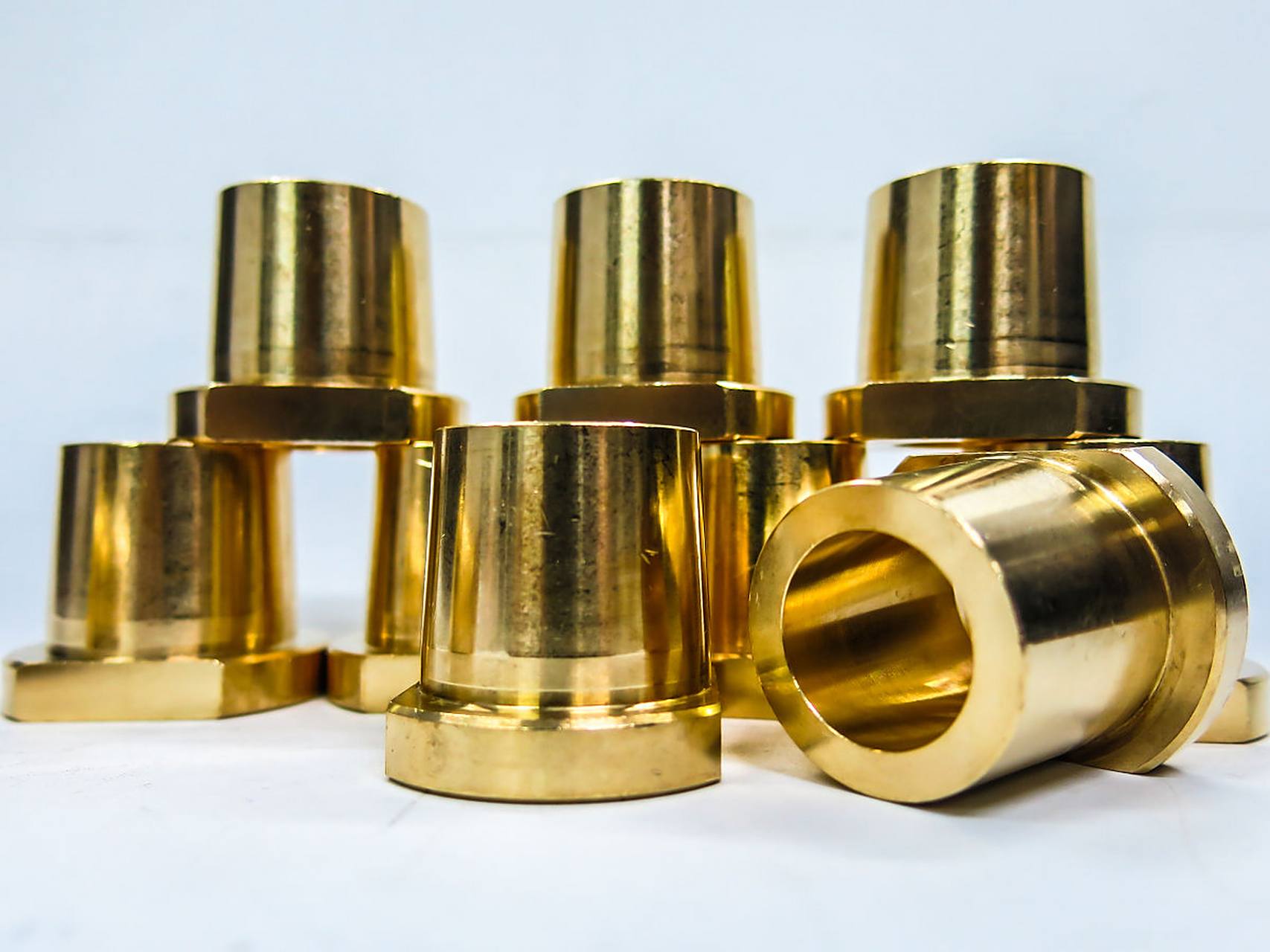
Removing oxidation from copper is a straightforward process when you use the right copper cleaner. Whether you are dealing with mild tarnish on a copper necklace or heavy oxidation on industrial copper pipes, there is a cleaner designed to meet your needs. Acidic cleaners are ideal for heavy oxidation, abrasive cleaners for mild to moderate tarnish, chelating cleaners for precision items, and natural cleaners for eco-friendly, food-safe applications. By following the proper application steps, considering the type of copper item and level of oxidation, and avoiding common mistakes, you can restore copper's natural shine and protect it from future oxidation. Remember to prioritize safety and environmental impact when choosing a cleaner, and always test new products on a small area first. With the right approach, your copper items can maintain their beauty and functionality for years to come.