

How do you protect metal surfaces?
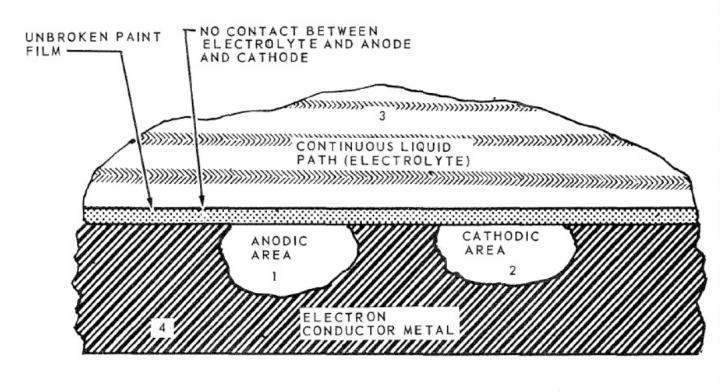
Metal surfaces are ubiquitous in industrial production, construction engineering, and daily life, yet they are highly susceptible to corrosion, wear, and environmental erosion. To prolong the service life of metal products and maintain their performance, effective protection of metal surfaces is crucial. Among various protection methods, chemical treatment agents play an irreplaceable role due to their efficiency, economy, and ease of operation. This article will focus on chemical treatment agents, exploring how to scientifically and effectively protect metal surfaces.
Phosphating agents are one of the most widely used chemical treatment agents in metal surface protection. Their main function is to form a dense phosphate film on the metal surface through a chemical reaction. This film is usually several micrometers to tens of micrometers thick and has excellent adhesion and corrosion resistance. The working principle of phosphating agents is to react with metal ions (such as iron ions) on the metal surface in an acidic environment to generate insoluble phosphate precipitates, which gradually accumulate to form a film. Common phosphating agents include zinc-based phosphating agents, manganese-based phosphating agents, and iron-based phosphating agents. Zinc-based
phosphating agents are suitable for most steel surfaces and can form a grayish-white phosphate film with good corrosion resistance, making them widely used in the automotive, machinery manufacturing, and other industries. Manganese-based phosphating agents form a black phosphate film with higher hardness and wear resistance, which is often used for the surface treatment of mechanical parts that require frequent friction, such as gears and bearings. Iron-based phosphating agents are relatively low-cost and are suitable for some low-demand metal surface protection, such as the surface treatment of ordinary fasteners.
Passivation agents are another important type of chemical treatment agent, mainly used for the surface protection of stainless steel, aluminum, and their alloys. The passivation process can form a dense oxide film on the metal surface, which isolates the metal from the external environment and prevents corrosion. For stainless steel, passivation agents are usually nitric acid-based or citric acid-based solutions. Nitric acid passivation can quickly form a chromium-rich oxide film on the surface of stainless steel, significantly improving its corrosion resistance. However, due to the strong oxidizing and corrosive nature of nitric acid, environmental protection and operational safety need to be paid attention to during use. Citric acid passivation is a more environmentally friendly alternative. It can also form a stable passivation film on the surface of stainless steel, and has the advantages of low toxicity and easy treatment of waste liquid, so it is increasingly favored by enterprises. For aluminum and its alloys, chromate passivation agents were once widely used, but due to the high toxicity of hexavalent chromium, they are gradually replaced by environmentally friendly passivation agents such as trivalent chromium passivation agents and silane passivation agents. Trivalent chromium passivation agents can form a colorless or light yellow passivation film on the surface of aluminum alloys, with good corrosion resistance and adhesion, and meet environmental protection requirements. Silane passivation agents form a chemical bond with the metal surface through hydrolysis and condensation reactions, forming a dense silane film, which has excellent corrosion resistance and can also improve the adhesion of subsequent coatings.
Corrosion inhibitors are chemical substances that can inhibit metal corrosion when added to the medium in a small amount. They are widely used in metal surface protection in cooling water systems, oil pipelines, and metal processing fluids. According to the mechanism of action, corrosion inhibitors can be divided into anodic corrosion inhibitors, cathodic corrosion inhibitors, and mixed corrosion inhibitors. Anodic corrosion inhibitors can form a protective film on the anode of the metal, blocking the anodic reaction and inhibiting corrosion. For example, chromate and nitrite are typical anodic corrosion inhibitors, but due to their toxicity, their application is restricted. Cathodic corrosion inhibitors can slow down the cathodic reaction by reducing the concentration of oxidants in the medium or forming a precipitate on the cathodic surface. For example, zinc salts can form a zinc hydroxide precipitate on the cathodic surface of steel, inhibiting the cathodic reaction. Mixed corrosion inhibitors have both anodic and cathodic inhibition effects, and their inhibition efficiency is higher. For example, organic amines and their derivatives are common mixed corrosion inhibitors, which can be adsorbed on the metal surface to form a protective film, thereby inhibiting corrosion.

In addition to the above common chemical treatment agents, there are also some special chemical treatment agents for specific metal materials or application environments. For example, for copper and copper alloys, benzotriazole (BTA) and its derivatives are effective corrosion inhibitors, which can form a stable complex film on the surface of copper, preventing copper from being corroded by air, water, and other media. For magnesium and magnesium alloys, which are highly active and prone to corrosion, chemical conversion coatings such as phosphate conversion coatings and chromate conversion coatings are often used for protection. However, similar to aluminum alloys, magnesium alloys are also gradually adopting environmentally friendly treatment agents to replace toxic chromate conversion coatings.
When using chemical treatment agents to protect metal surfaces, it is necessary to select appropriate treatment agents according to the type of metal, the use environment, and the protection requirements, and strictly follow the operating procedures. Before treatment, the metal surface must be thoroughly cleaned to remove oil, rust, and other impurities, to ensure the quality of the chemical treatment film. At the same time, attention should be paid to the control of treatment parameters such as temperature, time, and concentration of the treatment agent, as these parameters directly affect the performance of the treatment film. After treatment, the metal surface should be properly rinsed and dried to avoid residual treatment agents causing secondary corrosion.

In conclusion, chemical treatment agents play a vital role in metal surface protection. Phosphating agents, passivation agents, corrosion inhibitors, and other chemical treatment agents can form protective films on the metal surface through different chemical reactions, or inhibit metal corrosion by changing the medium environment, thereby effectively protecting metal surfaces. With the continuous improvement of environmental protection requirements and the continuous development of science and technology, more environmentally friendly, efficient, and multifunctional chemical treatment agents will be developed and applied, providing more reliable guarantees for metal surface protection.