

Desiccants are ubiquitous in our daily lives, tucked inside snack packets, vitamin bottles, and shoe boxes. Their primary role is to absorb moisture, preventing mold growth and preserving the freshness of products. Yet, a lingering question often arises: Is desiccant food safe? To answer this, we must delve into the types of desiccants, their compositions, and the potential risks they pose.

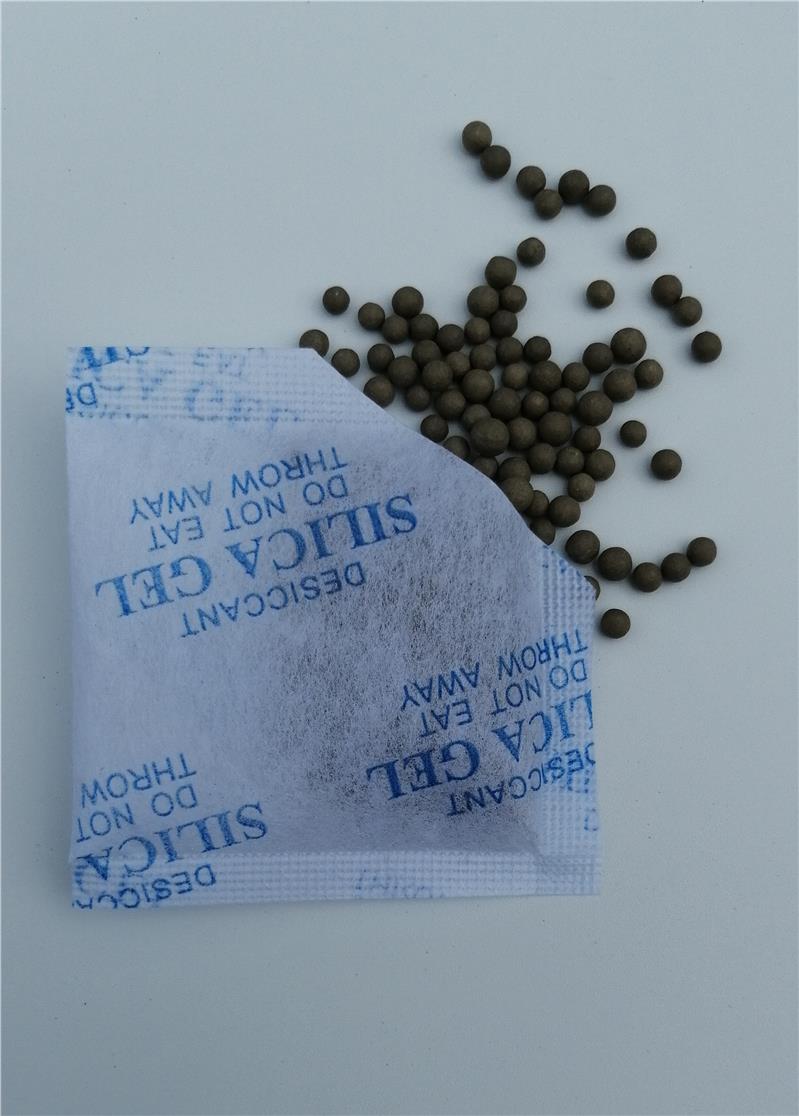
The most common desiccants fall into several categories, each with distinct properties. Silica gel, recognizable by its small, translucent beads, is widely used in food packaging. Composed of silicon dioxide, a naturally occurring substance, it is chemically inert and non - toxic. The beads are designed to absorb moisture through physical adsorption, meaning they do not release harmful substances into the surrounding environment. This makes silica gel generally safe around food, as long as it remains intact. However, it is important to note that silica gel is not meant to be eaten. While swallowing a few beads is unlikely to cause serious harm in adults, it can pose a choking hazard, especially for young children.
Another common type is calcium oxide, also known as quicklime. This desiccant is highly reactive and releases heat when it comes into contact with water. Unlike silica gel, calcium oxide is caustic and can cause severe damage if ingested. When it reacts with moisture in the mouth, throat, or stomach, it produces calcium hydroxide, a strong base that can burn tissues. Symptoms of ingestion may include pain, swelling, difficulty swallowing, and in extreme cases, damage to the digestive tract. Due to these risks, calcium oxide desiccants are often labeled with clear warnings, such as "Do not eat" and "Keep away from children." They are typically used in products where a higher moisture - absorption capacity is needed, such as large containers of dried fruits or certain pharmaceuticals.
Magnesium sulfate, or Epsom salt, is another desiccant occasionally used in food packaging. It is generally considered safe in small amounts, as it is a mineral that occurs naturally in some foods and is even used as a dietary supplement. However, like other desiccants, it is not intended for consumption in large quantities. Ingesting excessive amounts of magnesium sulfate can lead to gastrointestinal issues such as diarrhea, nausea, and abdominal cramps.
Activated charcoal is also used as a desiccant in some cases, particularly for absorbing odors along with moisture. It is non - toxic, but similar to silica gel, swallowing it is not advisable, though it is unlikely to cause serious harm.
The key to determining the safety of desiccants in relation to food lies in their containment. Desiccants are packaged in porous materials that allow moisture to enter but prevent the desiccant itself from leaking out. As long as this packaging remains undamaged, the desiccant cannot contaminate the food. However, if the packaging is torn or punctured, the desiccant may come into direct contact with the food, raising concerns. For example, if silica gel beads spill into a bag of chips, while the beads are non - toxic, eating them could still be unpleasant and potentially pose a choking risk. In the case of calcium oxide, even a small amount coming into contact with food could be dangerous, as it can react with moisture in the food and cause chemical burns.

It is also important to consider the intended use of desiccants. They are added to food packaging to extend the shelf life of the product by reducing humidity. Without desiccants, many foods would spoil more quickly due to mold growth or texture changes caused by moisture. So, in this sense, desiccants play a role in ensuring the safety and quality of food, as long as they are used properly.
For consumers, the main precautions to take are to keep desiccants away from children and pets, who may be more likely to put them in their mouths. If a child or pet swallows a desiccant, it is important to identify the type of desiccant. If it is silica gel, activated charcoal, or magnesium sulfate, while it is not ideal, it is unlikely to cause serious harm, and contacting a poison control center for advice is still a good idea. However, if the desiccant is calcium oxide, immediate medical attention is necessary, as the caustic nature can cause severe internal damage.

In conclusion, the safety of desiccants in relation to food depends on their type and containment. Silica gel, activated charcoal, and magnesium sulfate are generally non - toxic when properly contained, but they should not be eaten. Calcium oxide, on the other hand, is highly dangerous if ingested. By being aware of the type of desiccant in food packaging, ensuring the packaging remains intact, and taking precautions to keep desiccants away from those who might ingest them, we can safely benefit from their role in preserving our food.