

The Science Behind the Discoloration
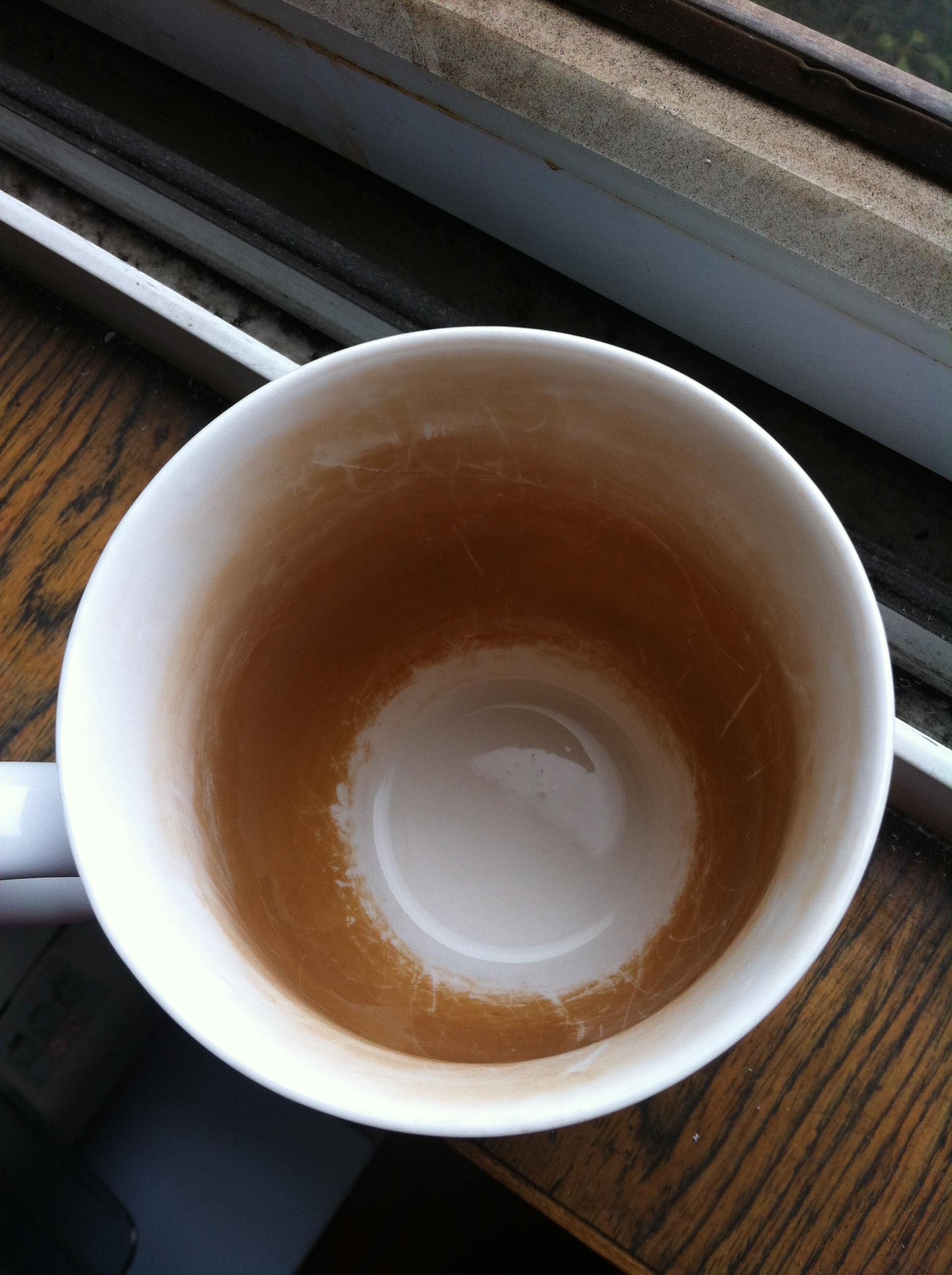
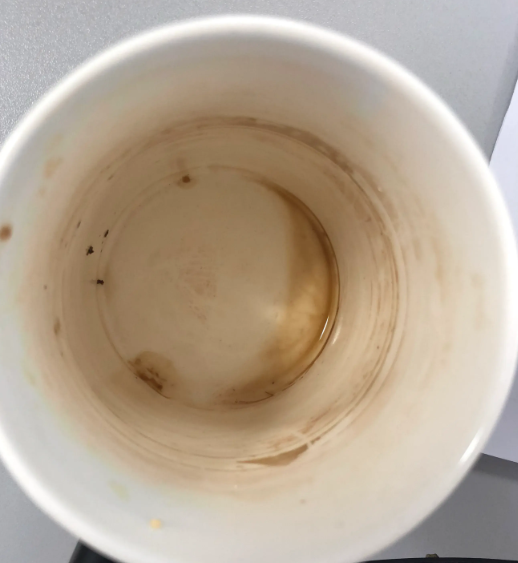
Tea stains are a common issue for tea enthusiasts, manifesting as unsightly brown discolorations on the inner surfaces of cups. These stains result from the interaction between tea compounds and the material of the tea cup. The primary culprits are tannins, a group of polyphenols found in tea leaves. When tea is brewed, these tannins oxidize and bind with metal ions, such as calcium or magnesium, present in water or the cup material itself. Over time, this chemical reaction leads to the formation of stubborn brown deposits.
The severity of tea stains depends on several factors. Hard water, which contains higher mineral content, exacerbates staining. Additionally, frequent use without thorough cleaning allows stains to accumulate. Understanding this science is crucial because it informs the choice of cleaning methods. Harsh or inappropriate techniques can damage delicate materials like bone china or porcelain. Therefore, selecting a tea stain cleaner that effectively breaks down these organic-metal complexes without harming the cup is essential for maintaining both aesthetics and hygiene.
The Role of Tea Stain Cleaners in Effective Cleaning
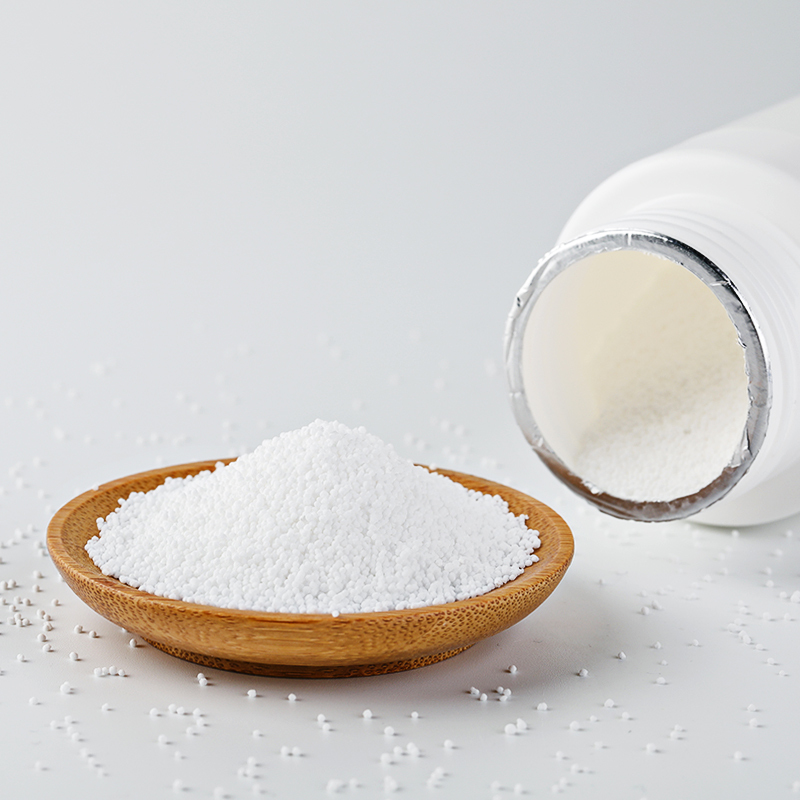
Tea stain cleaners are specially formulated products designed to tackle the unique challenges posed by tea stains. Unlike general-purpose cleaners, these products contain active ingredients that target the organic compounds and metal ions responsible for discoloration. The effectiveness of a tea stain cleaner lies in its ability to penetrate and break down these stubborn deposits through chemical action rather than physical scrubbing.
Using a tea stain cleaner offers several advantages. First, it minimizes the risk of scratching or damaging delicate surfaces, which can occur with abrasive methods. Second, it saves time and effort by eliminating the need for vigorous scrubbing. Third, it ensures thorough cleaning, reaching into crevices and hard-to-access areas where stains often accumulate. For example, in bone china tea sets, which are prized for their elegance but prone to staining, a gentle yet effective cleaner is indispensable. By focusing on the chemical composition of stains, these cleaners provide a reliable solution for maintaining pristine tea cups.
Step-by-Step Guide: Using Tea Stain Cleaner for Optimal Results
Step 1: Preparing Your Tea Cup for Cleaning
Before applying any tea stain cleaner, proper preparation is key. Start by rinsing the tea cup with warm water to remove loose debris and residue. This initial step ensures that the cleaner can focus on the stubborn stains rather than surface dirt. For heavily stained cups, a light scrubbing with a soft sponge using mild soap can help loosen some deposits. Avoid using harsh abrasives or metal tools, as they can scratch the surface.
Next, ensure the cup is dry or slightly damp before applying the cleaner. This preparation enhances the cleaner's effectiveness by allowing it to adhere better to the stained areas. For delicate items like vintage or hand-painted tea cups, extra care is needed to prevent damage during this phase. Proper preparation sets the stage for a successful cleaning process, maximizing the cleaner's performance while safeguarding the cup's integrity.
Step 2: Applying the Tea Stain Cleaner Correctly
Once the cup is prepared, it's time to apply the tea stain cleaner. Follow the manufacturer's instructions carefully, as different products may have varying application methods. Generally, you'll need to mix the cleaner with warm water in the cup, creating a solution that will work on the stains. The ratio of cleaner to water is crucial; too much cleaner can be harsh, while too little may be ineffective.
For example, a popular tea stain cleaner requires adding a small amount of powder to warm water and letting it sit for 10-15 minutes. During this time, the active ingredients in the cleaner work to break down the stains. For older or more delicate items, reduce the soak time to prevent potential damage. Always use a soft cloth or sponge to gently distribute the solution, ensuring even coverage across all stained areas. This step is vital for achieving uniform cleaning results.
Step 3: Soaking and Allowing the Cleaner to Work
After applying the cleaner, allow the cup to soak for the recommended duration. Soaking is a critical phase where the chemical action of the cleaner takes effect. During this time, the solution penetrates the stains, breaking down the organic-metal complexes that cause discoloration. For most tea cups, a soak of 10-15 minutes is sufficient, but heavily stained items may require longer exposure.
While soaking, avoid using additional cleaning tools or methods, as this can disrupt the process. Instead, let the cleaner work undisturbed. For added effectiveness, you can cover the cup to retain warmth and enhance the cleaner's activity. After soaking, you'll notice the stains starting to lift, indicating the cleaner's success. This step ensures thorough cleaning without the need for excessive scrubbing, preserving the cup's surface.
Step 4: Rinsing and Drying the Tea Cup Thoroughly
Once the soaking period is complete, rinse the tea cup thoroughly with warm water. This step removes any residual cleaner and loosened stains, leaving the cup clean and fresh. Use a gentle stream of water to ensure all areas are rinsed, paying special attention to crevices and corners where residue might accumulate.
After rinsing, dry the cup with a soft, lint-free cloth to prevent water spots or streaks. For delicate materials, air drying is also an option, but ensure the cup is placed in a well-ventilated area to avoid moisture buildup. Proper rinsing and drying are essential to maintain the cup's appearance and hygiene. This final step completes the cleaning process, restoring your tea cup to its original pristine condition.

Alternative Methods: When Tea Stain Cleaner Isn't Available
Method 1: Baking Soda Paste for Gentle Cleaning
In situations where a dedicated tea stain cleaner is unavailable, baking soda paste offers a reliable alternative. Baking soda is a mild abrasive that effectively lifts stains without damaging delicate surfaces. To create the paste, mix baking soda with a small amount of water until it forms a thick consistency. Apply this paste to the stained areas using a soft sponge or cloth.
Gently scrub the stains in circular motions, focusing on heavily discolored spots. Baking soda's gentle abrasiveness helps break down the stains without scratching the cup. After scrubbing, rinse thoroughly with warm water and dry as usual. This method is particularly useful for everyday tea cups and provides a cost-effective solution for maintaining cleanliness.
Method 2: Vinegar Solution for Natural Stain Removal
Another natural alternative is a vinegar solution, which utilizes the acidic properties of vinegar to dissolve tea stains. Mix equal parts white vinegar and warm water in the tea cup, ensuring the solution covers the stained areas. Allow the cup to soak for about 15-20 minutes, during which the vinegar will work to break down the stains.
After soaking, rinse the cup thoroughly with warm water to remove any vinegar residue. Vinegar is effective for removing stubborn stains but should be used with caution on delicate or vintage items, as prolonged exposure can weaken materials. This method is ideal for those seeking a natural and eco-friendly cleaning option.
Maintenance Tips: Preventing Future Tea Stains
Tip 1: Regular Cleaning Routine
Preventing tea stains starts with a consistent cleaning routine. After each use, rinse your tea cup with warm water to remove residual tea and prevent stains from setting. For daily use, a quick wash with mild soap and a soft sponge is sufficient. Regular cleaning minimizes the buildup of stains, reducing the need for intensive cleaning sessions.
Incorporate this routine into your tea-drinking habits to maintain the longevity and appearance of your cups. For example, rinsing immediately after use prevents tannins from oxidizing and binding with metal ions, which is the primary cause of staining. This proactive approach ensures your tea cups remain clean and inviting.
Tip 2: Proper Storage Practices
Proper storage plays a significant role in preventing tea stains. Store your tea cups in a dry and well-ventilated area to avoid moisture buildup, which can contribute to staining. Use cup holders or shelves that keep the cups upright and prevent contact with other items that might cause scratches or damage.
For delicate or vintage tea cups, consider using protective padding or individual storage compartments. Proper storage not only prevents stains but also safeguards the cups from physical damage. By integrating these practices into your routine, you can enjoy your tea cups for years without unsightly discoloration.
Choosing the Right Tea Stain Cleaner: Factors to Consider
Factor 1: Material Compatibility
When selecting a tea stain cleaner, material compatibility is paramount. Different cup materials, such as porcelain, bone china, or glass, require specific cleaning approaches to avoid damage. For example, bone china is highly delicate and needs a gentle cleaner that won't harm its surface or intricate designs.
Check the cleaner's label for compatibility information and avoid products that contain harsh chemicals or abrasives. Choosing a cleaner tailored to your cup's material ensures effective stain removal while preserving its beauty and integrity. This consideration is especially important for cherished or expensive tea sets.
Factor 2: Environmental Impact
Environmental impact is another critical factor in choosing a tea stain cleaner. Opt for eco-friendly products that are biodegradable and free from harmful chemicals. These cleaners provide effective stain removal without compromising environmental sustainability.
Look for certifications or labels indicating eco-friendliness, such as phosphate-free or plant-based formulations. By selecting environmentally responsible cleaners, you contribute to reducing your ecological footprint while maintaining clean tea cups. This approach aligns with modern values of sustainability and responsible consumption.