

Understanding Cutting Fluids
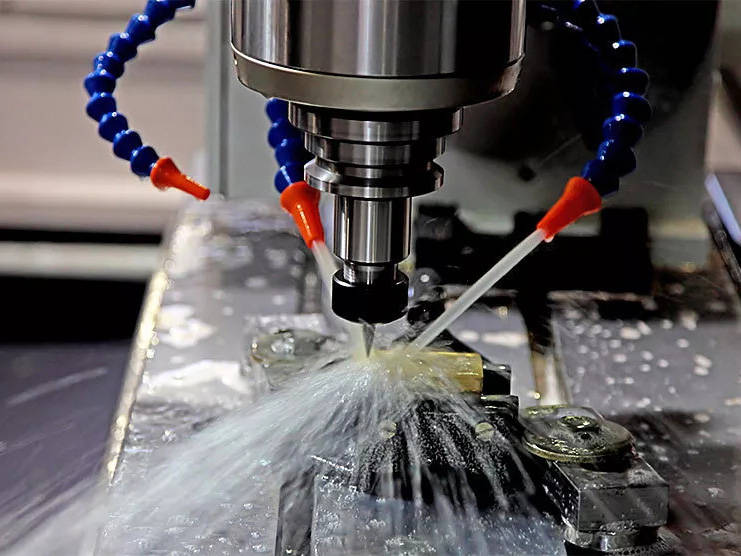
Cutting fluids play a pivotal role in metal machining processes. These specially formulated liquids are designed to enhance performance during cutting operations by addressing multiple challenges simultaneously. The primary purpose of cutting fluids is to reduce friction between the cutting tool and workpiece, which directly impacts tool life and surface finish quality.
There are four main types of cutting fluids: straight oils, soluble oils, synthetic fluids, and semi-synthetic fluids. Each type offers distinct advantages depending on the machining operation. Straight oils provide excellent lubrication but poor cooling, while synthetic fluids offer superior cooling properties with minimal lubrication. The choice of cutting fluid depends on factors such as workpiece material, cutting speed, and desired surface finish.
Modern cutting fluids are complex formulations that may contain additives for corrosion protection, extreme pressure protection, and microbial control. These additives help extend fluid life and maintain consistent performance throughout the machining process.
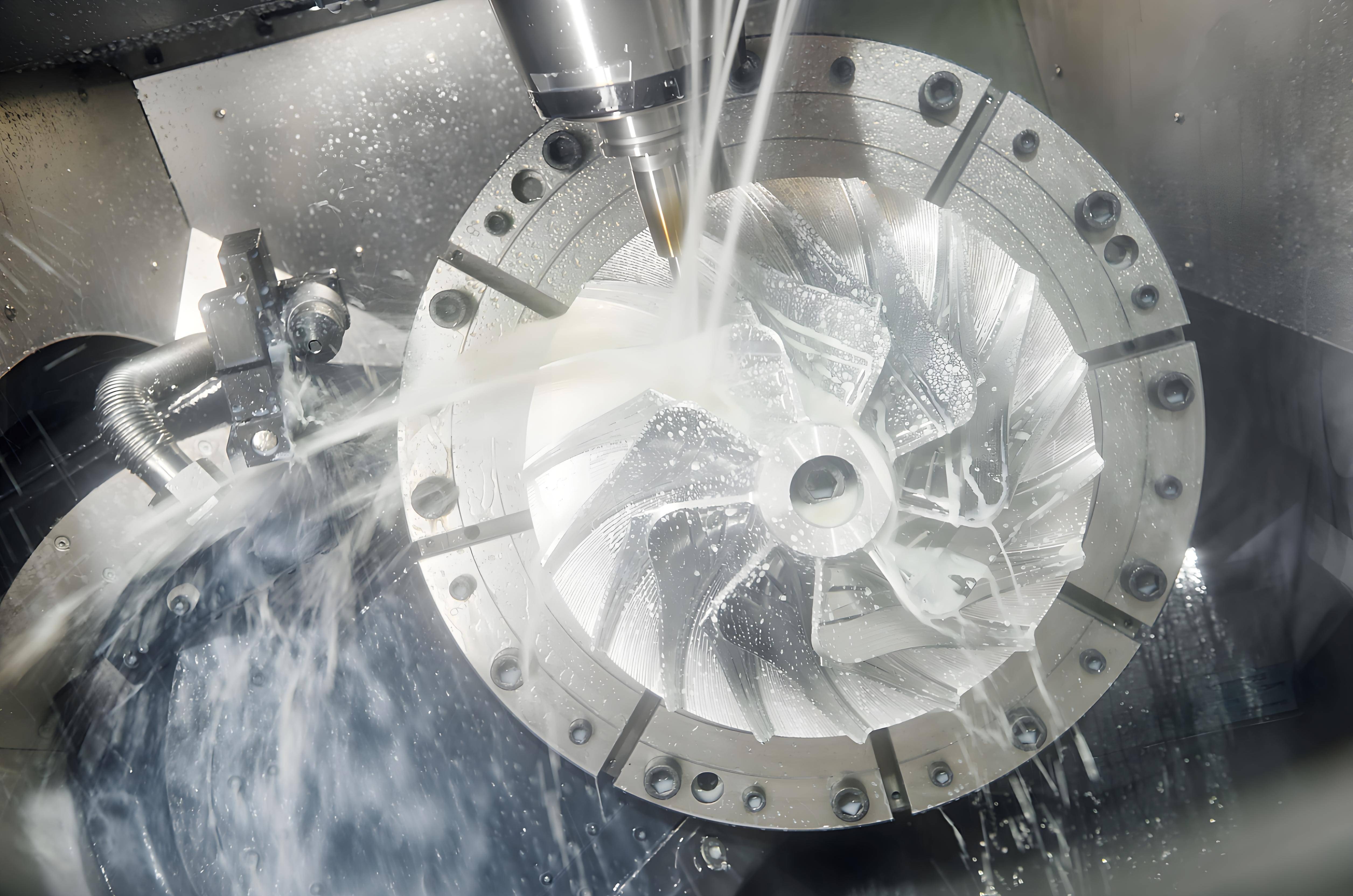
Heat Management in Metal Cutting
Heat generation is inevitable during metal cutting operations. The cutting process involves plastic deformation of the workpiece material, which generates significant amounts of heat at the cutting zone. Excessive heat can lead to several detrimental effects including tool wear, workpiece thermal distortion, and surface finish degradation.
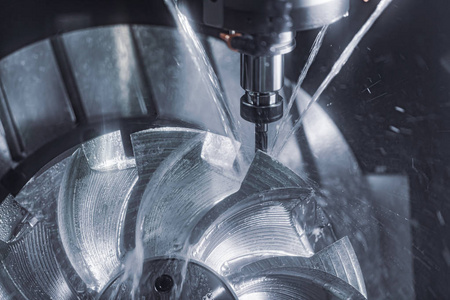
Cutting fluids act as effective heat transfer mediums. They absorb heat from the cutting zone and carry it away from the tool-workpiece interface. This cooling effect helps maintain dimensional accuracy of the workpiece by minimizing thermal expansion. Proper heat management also extends tool life by reducing thermal fatigue and preventing premature failure of cutting edges.
The heat dissipation capability of cutting fluids depends on their thermal conductivity and specific heat capacity. Synthetic fluids generally offer better cooling performance compared to oil-based fluids due to their higher heat absorption capacity. Effective heat management through cutting fluids can significantly improve machining efficiency and reduce overall production costs.
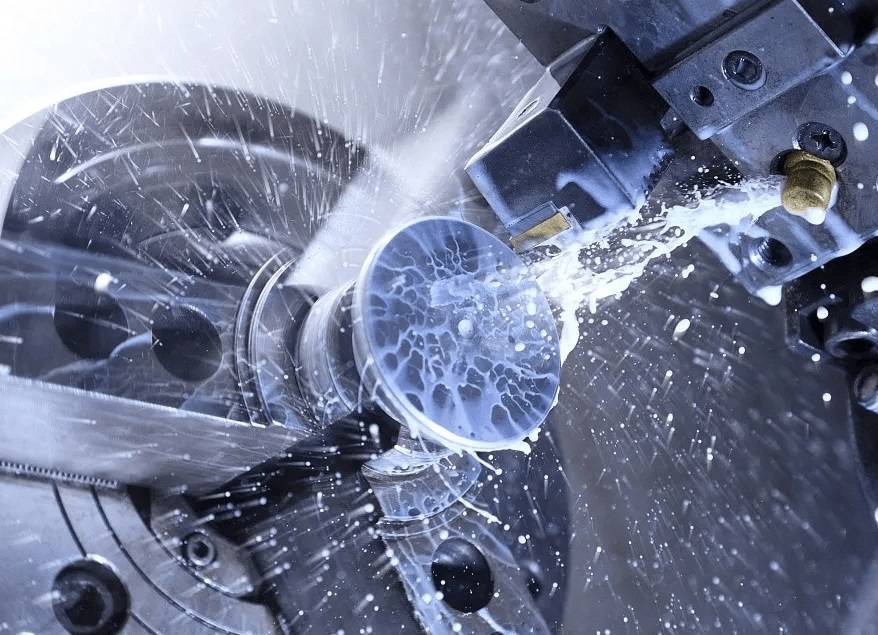
Friction Reduction and Tool Life Extension
Friction between the cutting tool and workpiece material is a major source of energy loss and tool wear during machining operations. Cutting fluids contain lubricating additives that form protective films on tool surfaces, reducing friction and wear. These films help prevent direct metal-to-metal contact between the tool and workpiece, significantly extending tool life.
The lubrication mechanism of cutting fluids involves both physical and chemical processes. Physically, the fluid creates a barrier between surfaces, while chemically, additives react with metal surfaces to form low-friction compounds. Extreme pressure (EP) additives are particularly important in high-speed machining applications where they react under high temperatures and pressures to provide additional lubrication.
By reducing friction, cutting fluids help maintain cutting edge sharpness for longer periods. This results in consistent surface finish quality throughout the tool life cycle. Extended tool life translates directly into cost savings through reduced tool replacement frequency and improved machining productivity.
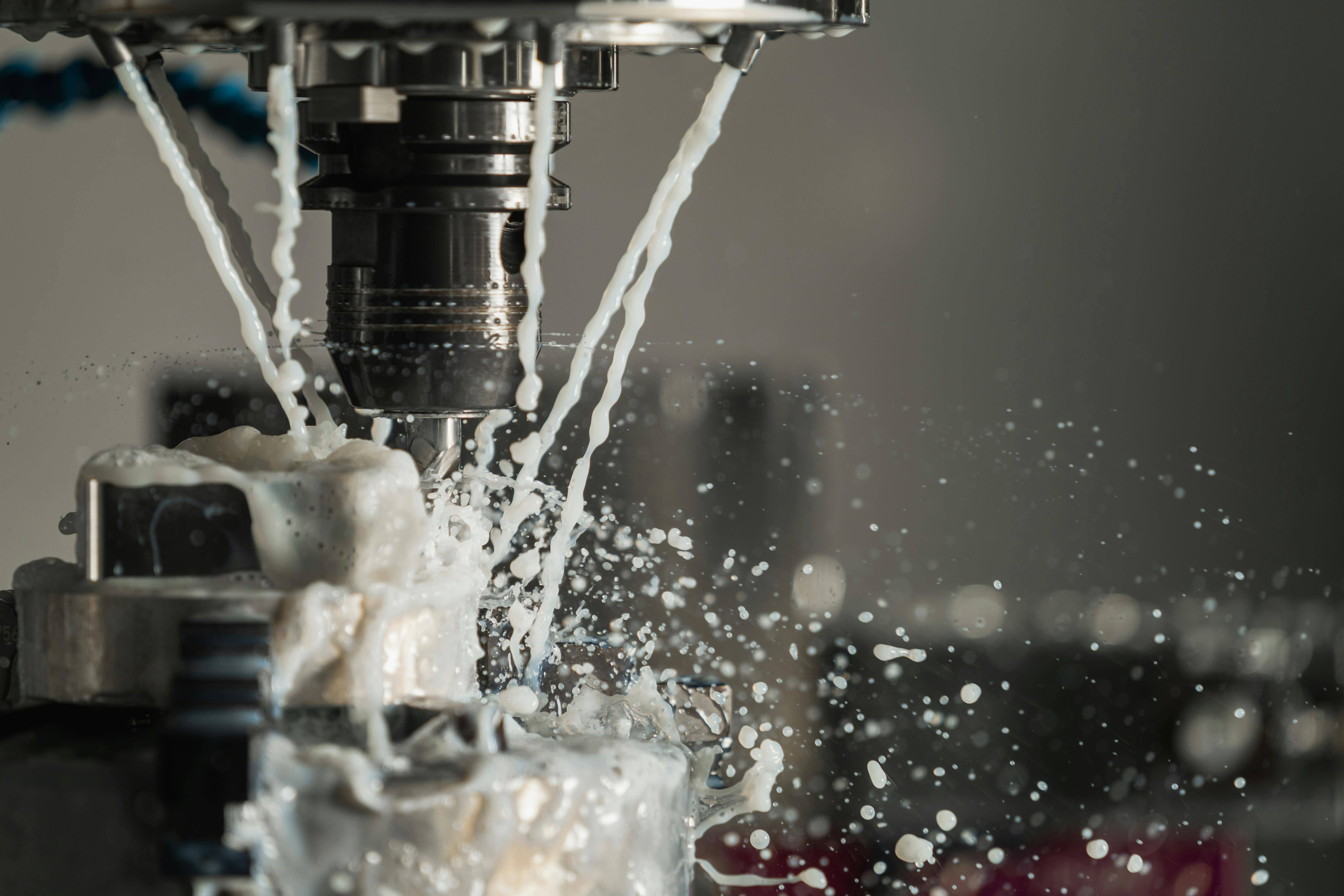
Surface Finish Enhancement
Achieving excellent surface finish is critical in precision machining applications. Cutting fluids contribute significantly to surface quality by reducing built-up edge formation and minimizing tool wear. The cooling effect of cutting fluids helps maintain dimensional stability of the workpiece, preventing thermal distortion that could affect surface finish.
Cutting fluids also help control chip formation during machining. Proper chip control is essential for maintaining surface quality as poorly formed chips can cause scratches and surface imperfections. The lubricating properties of cutting fluids facilitate smoother chip flow away from the cutting zone, reducing the likelihood of chip re-cutting and surface damage.
In high-speed machining operations, cutting fluids help achieve better surface finishes by reducing vibration and chatter. The damping effect of cutting fluids on the cutting system contributes to smoother machining processes and improved surface quality. Consistent use of cutting fluids ensures uniform surface finish across multiple workpieces.

Chip Control and Evacuation
Effective chip management is crucial for uninterrupted machining operations. Cutting fluids play a vital role in chip control by providing lubrication that helps break chips into manageable sizes and facilitates their evacuation from the cutting zone. Poor chip control can lead to machine downtime, tool breakage, and surface finish issues.
Cutting fluids help prevent chip welding to the tool or workpiece, which can cause surface defects and tool damage. The cooling effect of cutting fluids helps maintain chip hardness at optimal levels for efficient breakage. Proper chip evacuation is particularly important in deep hole drilling and other operations where chips can become trapped.
Modern cutting fluid systems often incorporate chip management features such as high-pressure delivery systems that actively assist in chip removal. The combination of fluid properties and system design ensures efficient chip control, minimizing machine downtime and improving overall productivity.
Corrosion Protection and Workpiece Preservation
Workpiece corrosion is a significant concern in machining operations, especially when using water-based cutting fluids. Cutting fluids contain corrosion inhibitors that protect machined surfaces from oxidation and rust formation during storage or between operations. These inhibitors form protective films on metal surfaces to prevent moisture-related corrosion.
The corrosion protection capability of cutting fluids is particularly important for precision components that require long-term dimensional stability. Corrosion can lead to surface defects that may require rework or scrap the workpiece. Effective corrosion protection ensures that machined parts maintain their quality until final assembly or shipment.
Cutting fluids also help prevent staining and discoloration of workpieces during machining. This is especially important for applications where appearance is critical, such as in automotive or aerospace components. Proper formulation of cutting fluids ensures comprehensive protection against various forms of corrosion throughout the machining process.
Environmental and Health Considerations
While cutting fluids offer numerous benefits, their environmental impact and health implications must be carefully managed. Modern cutting fluid formulations focus on reducing toxicity and improving biodegradability while maintaining performance characteristics. Proper disposal and recycling of cutting fluids are essential to minimize environmental impact.
Workplace safety considerations include proper ventilation systems to control mist generation and regular health monitoring for operators exposed to cutting fluids. Many modern cutting fluids are designed to be less irritating to skin and eyes while maintaining effective machining performance. The industry continues to develop safer alternatives without compromising machining efficiency.
Environmental regulations increasingly influence cutting fluid selection and usage practices. Companies must balance performance requirements with environmental compliance, often opting for more expensive but environmentally friendly cutting fluid options. The trend towards dry machining and minimum quantity lubrication (MQL) reflects ongoing efforts to reduce cutting fluid usage while maintaining machining quality.
Economic Benefits and Cost Analysis
The economic impact of cutting fluids extends beyond their purchase price. Proper selection and use of cutting fluids can lead to significant cost savings through extended tool life, improved surface finish, and reduced machine downtime. The cost-benefit analysis of cutting fluids must consider both direct costs and indirect savings.
Cutting fluids contribute to improved machining efficiency by enabling higher cutting speeds and feeds without compromising quality. This increased productivity translates into higher output per machine hour, reducing unit production costs. The economic justification for using cutting fluids often becomes clear when considering the total cost of machining operations.
Maintenance costs associated with cutting fluid systems must also be considered. Modern centralized filtration systems and automatic concentration control devices help maintain cutting fluid quality while reducing maintenance requirements. The initial investment in advanced cutting fluid systems often pays for itself through improved machining performance and reduced waste.