

Stainless steel is widely used in various industries due to its excellent corrosion resistance, and passivation is a key process that ensures this property. But how long does the passivation effect on stainless steel last? This question involves multiple factors, including the passivation method, environmental conditions, and usage scenarios.
First, let's understand what passivation is. Passivation is a chemical process that forms a thin, dense oxide film on the surface of stainless steel. This film acts as a barrier, preventing the underlying metal from reacting with the surrounding environment and thus inhibiting corrosion. The formation of this oxide film is crucial for the long-term performance of stainless steel.
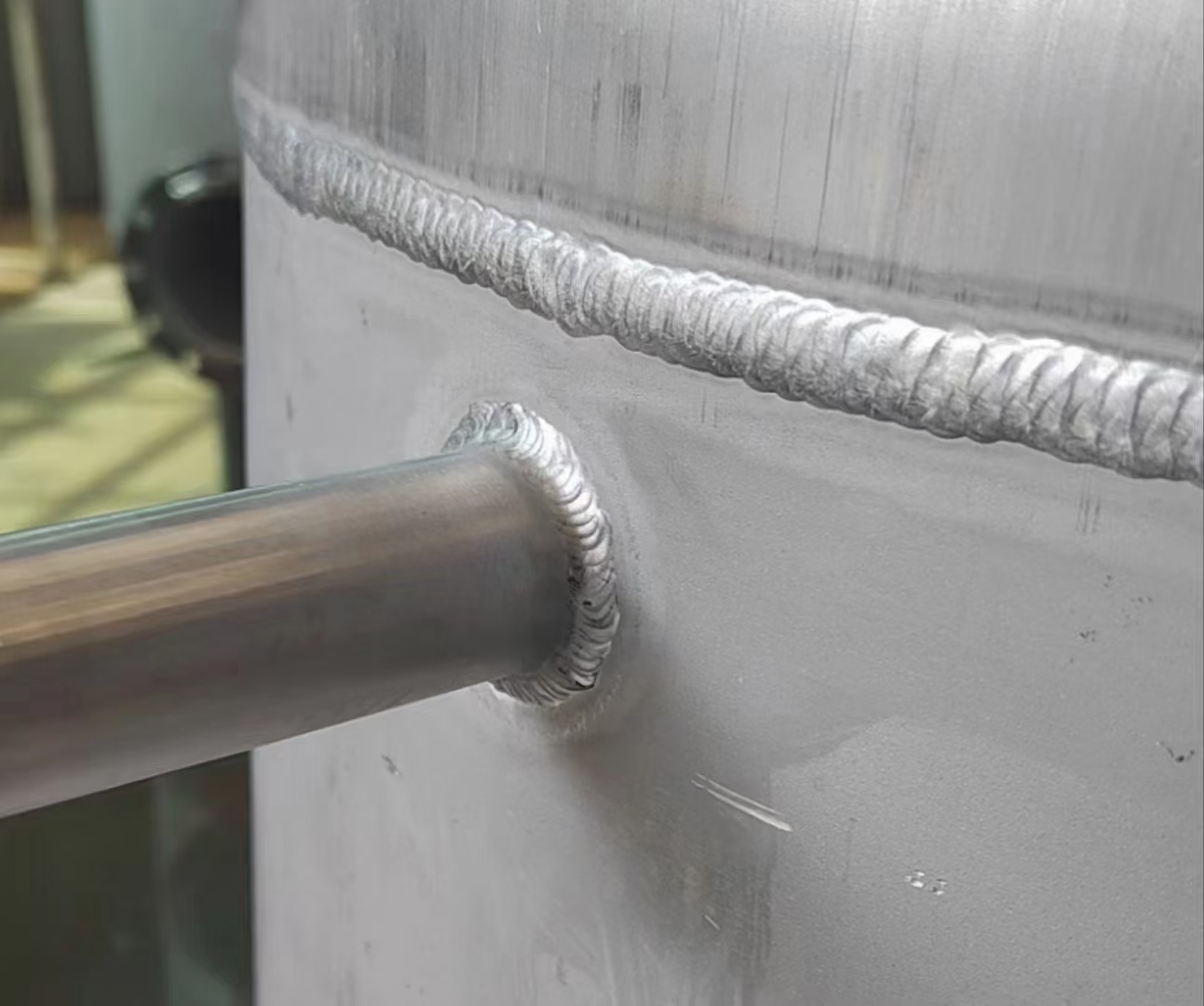
The passivation method has a significant impact on the duration of the passivation effect. Common passivation methods include nitric acid passivation, citric acid passivation, and electrochemical passivation. Nitric acid passivation is a traditional method that can form a relatively thick and stable oxide film. Under proper operating conditions, the passivation effect of nitric acid can last for several years, even in moderately corrosive environments. Citric acid passivation, which is more environmentally friendly, also forms a good oxide film, but its durability may be slightly shorter than that of nitric acid passivation in some harsh environments. Electrochemical passivation can precisely control the thickness and quality of the oxide film, and if optimized properly, its passivation effect can be comparable to or even better than that of chemical passivation methods, with a longer service life.
Environmental conditions are another important factor affecting the duration of passivation. Stainless steel used in dry, clean indoor environments will have a much longer passivation life than that exposed to humid, high-salt, or acidic environments. For example, stainless steel components in a kitchen with normal humidity may maintain their passivation effect for 10 years or more. In contrast, stainless steel used in coastal areas with high salt spray content in the air may see the passivation layer start to degrade after 2-3 years, as the salt ions can penetrate the oxide film and accelerate corrosion. Similarly, in industrial environments with high concentrations of acids or alkalis, the passivation effect may only last a few months to a year without additional protection.
The usage scenarios of stainless steel also play a role. If the stainless steel is subject to frequent mechanical wear, such as in rotating parts or components that are frequently rubbed, the passivation layer will be damaged, reducing its service life. In such cases, the passivation effect may only last a few months, and re-passivation may be required regularly. On the other hand, stainless steel that is rarely touched or subjected to mechanical stress, such as decorative stainless steel panels in buildings, can maintain the passivation effect for a longer time, sometimes up to 15 years or more.
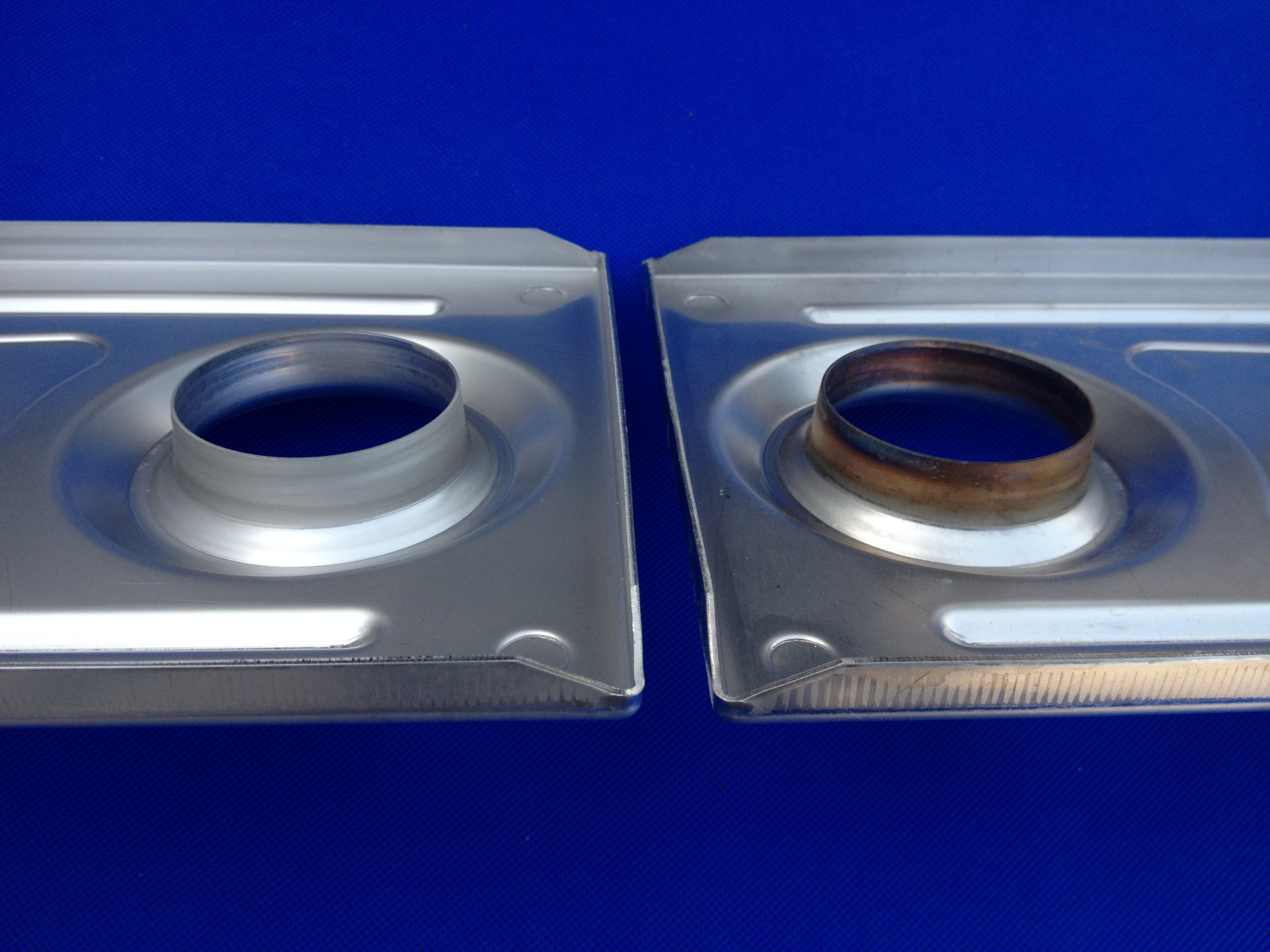
Proper maintenance and care can extend the duration of the passivation effect. Regular cleaning of the stainless steel surface to remove dirt, dust, and corrosive substances can prevent the accumulation of harmful substances that may damage the oxide film. Using neutral cleaning agents and avoiding abrasive materials during cleaning can help protect the passivation layer. Additionally, applying a protective coating on the passivated surface, such as a clear varnish, can provide an extra layer of protection, further extending the passivation life.
It should be noted that the passivation layer is not permanent. Over time, even under ideal conditions, the oxide film will gradually age and degrade due to environmental factors. Signs of degradation may include discoloration, pitting, or rust spots on the surface of the stainless steel. Once these signs appear, it indicates that the passivation effect has been significantly reduced, and re-passivation may be necessary.

In conclusion, the duration of passivation on stainless steel varies depending on multiple factors. Generally speaking, under proper passivation, good environmental conditions, and appropriate usage and maintenance, the passivation effect can last from several years to more than a decade. However, in harsh environments or with heavy mechanical wear, the service life may be shortened to a few months to a few years. Therefore, when using stainless steel, it is necessary to select the appropriate passivation method according to the specific situation, and carry out regular inspection and maintenance to ensure its long-term corrosion resistance.