

Descaling is a necessary task in both household and industrial settings to remove limescale, a hard, chalky deposit primarily composed of calcium carbonate that forms when water with high mineral content is heated or left standing. Among the various descaling methods available, using a solution made with citric acid has gained widespread popularity due to its effectiveness, safety, and eco-friendliness. This article will guide you through the process of making a citric acid descaling solution, along with its uses, precautions, and related tips.

Understanding the Advantages of Citric Acid for Descaling
Before delving into the making process, it's important to understand why citric acid is an excellent choice for descaling. Citric acid is a weak organic acid naturally found in citrus fruits like lemons, oranges, and limes. Its chemical properties allow it to break down limescale by reacting with the calcium carbonate, converting it into soluble compounds that can be easily rinsed away. Unlike harsh chemical descaling agents such as sulfuric acid or hydrochloric acid, citric acid is non-toxic, biodegradable, and safe to use around children and pets. It also leaves behind a fresh, citrusy scent, which is a pleasant alternative to the strong, unpleasant odors of many commercial descaling products. Additionally, citric acid is relatively inexpensive and readily available, making it a cost-effective solution for regular descaling needs.
Gathering the Necessary Materials
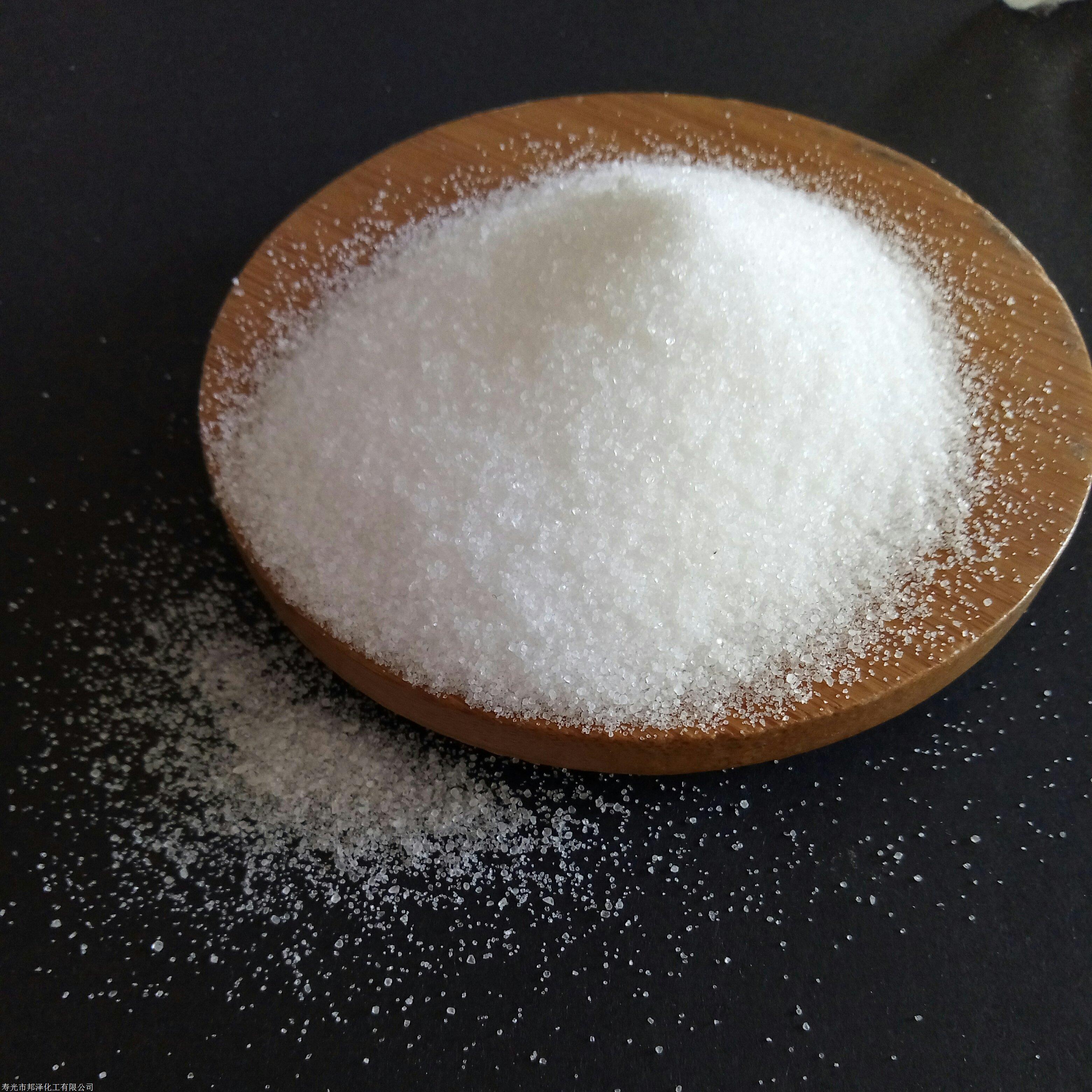
To make a citric acid descaling solution, you'll need a few basic materials that are easy to obtain. The main ingredient is citric acid powder, which can be purchased from grocery stores (often in the baking aisle, as it's used as a preservative and flavor enhancer), health food stores, or online retailers. The quantity of citric acid powder you'll need depends on the strength of the solution you want to make, which in turn depends on the severity of the limescale buildup. You'll also need clean water, preferably distilled or filtered to avoid introducing additional minerals that could contribute to limescale formation. A clean container for mixing the solution, such as a plastic or glass bottle or bowl, is essential. Measuring tools, like a teaspoon or tablespoon for small quantities or a measuring cup for larger batches, will ensure you get the right ratio of citric acid to water. Finally, you may need a funnel to pour the solution into spray bottles or other application containers, and a cloth or sponge for applying and scrubbing, depending on the item being descaled.
Step-by-Step Guide to Making the Descaling Solution
The process of making a citric acid descaling solution is straightforward and can be adjusted based on your specific needs. Here's a step-by-step breakdown:
Determine the desired concentration: For light limescale buildup, a mild solution is sufficient. A common ratio is 1 to 2 tablespoons of citric acid powder per cup of water. For moderate limescale, you can increase the concentration to 3 to 4 tablespoons per cup. For heavy, stubborn limescale, a stronger solution of ¼ cup to ½ cup of citric acid powder per cup of water may be necessary. It's important to note that using a higher concentration than needed won't necessarily make the descaling process faster and may be wasteful, so it's best to start with a milder solution and increase the strength if needed.
Measure the citric acid powder: Using your measuring tool, carefully measure the required amount of citric acid powder and add it to the mixing container. It's a good idea to wear gloves while handling the powder to avoid any potential irritation to the skin, although citric acid is generally not as harsh as other acids.
Add water to the powder: Heat the water to a temperature between 120°F (49°C) and 140°F (60°C). Warm water helps the citric acid powder dissolve more quickly than cold water, but it's important not to use boiling water as it can cause the citric acid to break down slightly, reducing its effectiveness. Pour the warm water into the container with the citric acid powder, stirring continuously with a spoon or whisk until the powder is completely dissolved. If you're making a large batch, you may need to stir for a minute or two to ensure all the powder is dissolved.
Let the solution cool (if necessary): If you plan to use the solution immediately on items that are sensitive to heat, such as certain plastics, let the solution cool to room temperature before use. Otherwise, the warm solution can be used right away for most applications.
Using the Citric Acid Descaling Solution
Once you've made the descaling solution, it's time to put it to use. The application method varies depending on the item being descaled. For small appliances like coffee makers, kettles, and steam irons, the solution can be poured directly into the water reservoir. For coffee makers, run a brewing cycle with the solution, then follow it with one or two cycles of plain water to rinse away any remaining acid. For kettles, fill the kettle with the solution, bring it to a boil (if the kettle is electric), let it sit for 15 to 30 minutes, then empty and rinse thoroughly.
For larger items such as showerheads, faucets, and toilet bowls, the solution can be applied using a spray bottle or by soaking. For showerheads and faucets, spray the solution generously on the affected areas, let it sit for 20 to 30 minutes, then scrub with a brush or sponge to remove any loosened limescale and rinse with water. If the limescale is particularly thick, you can soak a cloth in the solution and wrap it around the faucet or showerhead for a few hours before scrubbing. For toilet bowls, pour a cup or two of the solution into the bowl, let it sit overnight, then scrub with a toilet brush and flush.

Precautions and Tips for Effective Descaling
While citric acid is generally safe, there are some precautions to keep in mind. Avoid using the solution on marble, limestone, or other calcium-based surfaces, as the acid can etch and damage them. Always test the solution on a small, inconspicuous area of the surface to be cleaned before applying it widely, especially on delicate materials. When handling citric acid powder, avoid inhaling it as it can cause irritation to the nose and throat; working in a well-ventilated area is recommended. Also, keep the solution out of reach of children and pets to prevent accidental ingestion, although it is much less toxic than other acids.
To ensure effective descaling, it's important to let the solution sit for an adequate amount of time. The length of time depends on the severity of the limescale, but generally, 15 to 30 minutes is sufficient for light to moderate buildup, while heavier deposits may require several hours or even overnight soaking. For items that are used regularly, such as coffee makers and kettles, establishing a regular descaling schedule can prevent excessive limescale buildup, making the task easier and less time-consuming.
Storing the Citric Acid Descaling Solution
If you have leftover descaling solution, it can be stored for future use. Transfer the solution to a clean, airtight container, label it clearly with the contents and date, and store it in a cool, dark place. The solution will remain effective for several weeks, but over time, its strength may diminish, so it's best to use it within a month or two. Alternatively, you can store the citric acid powder in a sealed container, and mix up a fresh solution each time you need it, which may be more convenient for some users.
Conclusion
Making a descaling solution with citric acid is a simple, cost-effective, and environmentally friendly way to tackle limescale buildup in various settings. By following the steps outlined in this article, you can create a solution that is both effective and safe to use on a wide range of surfaces and appliances. Remember to adjust the concentration based on the severity of the limescale, take the necessary precautions, and establish a regular descaling routine to keep your items in good working condition. With a little effort and the right solution, you can say goodbye to limescale and enjoy the benefits of clean, functional appliances and surfaces.