

Degreaser powder is a powerful cleaning agent widely used in households, restaurants, factories and other places to effectively remove stubborn oil stains. However, to maximize its cleaning effect while ensuring safety, it is essential to master the correct usage method. This article will detail the steps, precautions and related knowledge of using degreaser powder.
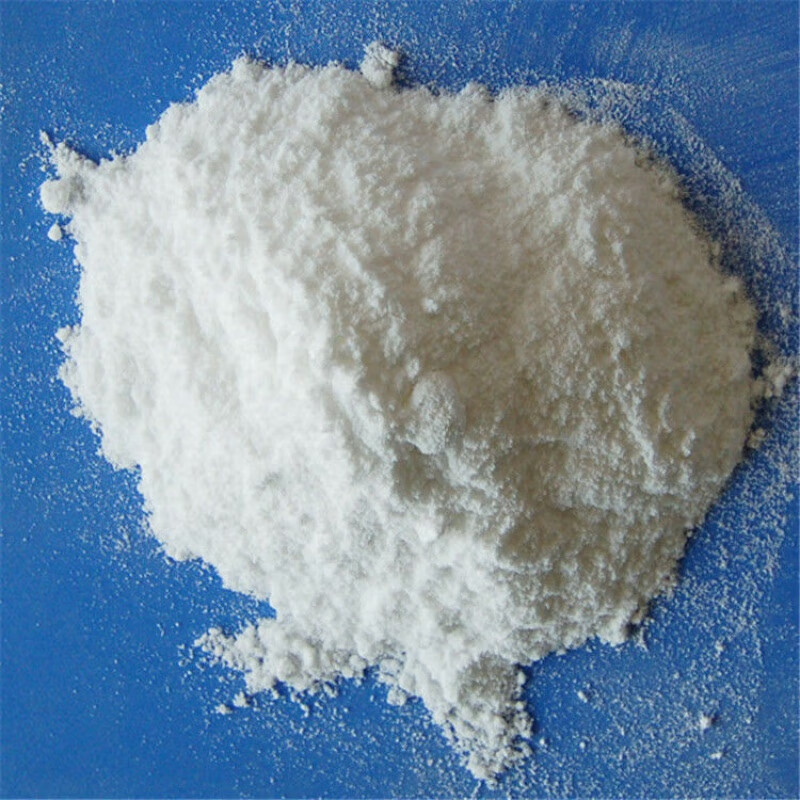
Understanding Degreaser Powder
Before using degreaser powder, it is necessary to have a basic understanding of it. Degreaser powder is usually composed of surfactants, alkaline substances, enzymes and other ingredients. Surfactants can reduce the surface tension of oil stains, making them easy to separate from the object surface; alkaline substances can saponify oil stains, turning them into substances that are soluble in water; enzymes can decompose certain organic components in oil stains, enhancing the cleaning effect.
Degreaser powder is suitable for various surfaces contaminated by oil stains, such as kitchen stoves, range hoods, pots and pans, floors of restaurants, and machine parts in factories. But it should be noted that some delicate surfaces, such as non-stick pans with special coatings and some high-end furniture surfaces, may be corroded by degreaser powder, so it is necessary to check whether they are suitable for use before use.
Specific Steps for Using Degreaser Powder
Preparation Work
First, prepare the necessary tools and materials, including degreaser powder, a container for mixing, water, gloves, a brush or sponge, and a clean cloth. Wearing gloves is to prevent the degreaser powder from irritating the skin.
Then, check the surface to be cleaned. If there is a lot of loose dirt, first use a brush or cloth to remove it to avoid affecting the cleaning effect of the degreaser powder.
Mixing the Solution
According to the degree of oil stains, determine the ratio of degreaser powder to water. Generally, for moderately oily surfaces, the ratio of degreaser powder to water is about 1:50 to 1:100. If the oil stains are particularly stubborn, the proportion of degreaser powder can be appropriately increased.
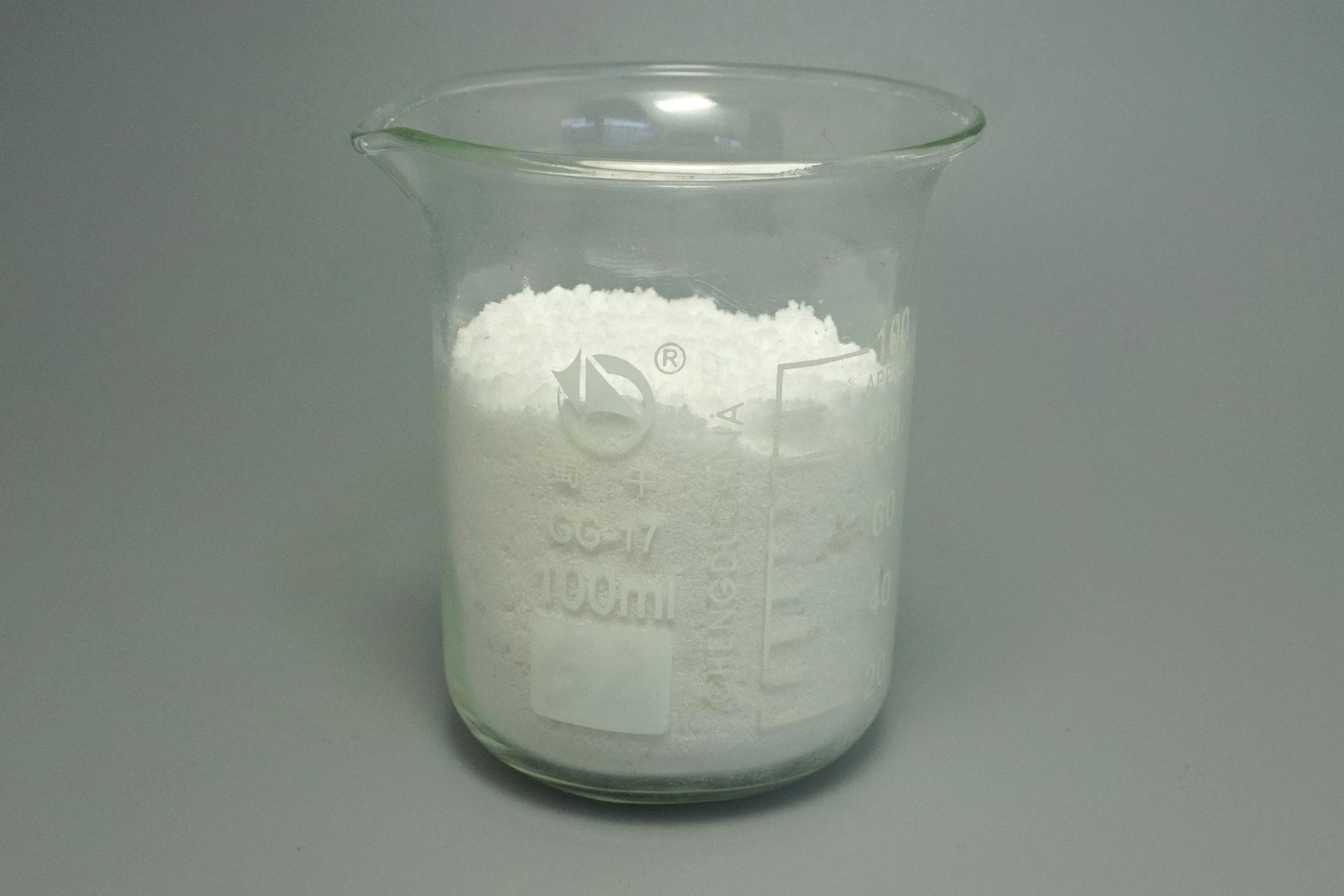
Pour the measured degreaser powder into the container, then slowly add water while stirring with a stick or spoon until the powder is completely dissolved. It should be noted that when dissolving, avoid splashing the solution, so as not to get it on the skin or eyes.
Applying the Solution
Dip a brush or sponge into the prepared degreaser solution and apply it evenly on the surface with oil stains. For some deep or narrow gaps with oil stains, you can use a toothbrush or a small brush to apply the solution to ensure that the solution can fully contact the oil stains.
After applying the solution, let it stand for 5-15 minutes. The standing time can be adjusted according to the severity of the oil stains. For light oil stains, 5 minutes is enough; for heavy oil stains, it may take 15 minutes or even longer to allow the solution to fully react with the oil stains.
Scrubbing and Cleaning
After standing, use a brush or sponge to scrub the surface. When scrubbing, apply appropriate force, especially for stubborn oil stains, you can scrub repeatedly. For smooth surfaces, you can use a sponge to avoid scratching the surface; for rough surfaces, a brush with harder bristles can be used to achieve a better cleaning effect.
After scrubbing, rinse the surface with clean water. It is necessary to rinse thoroughly to avoid leaving residual degreaser powder, which may cause damage to the surface or affect the next use of the object. For example, if the pot is not rinsed clean, the residual degreaser may affect the taste of the food when cooking.
Post-Cleaning Treatment
After cleaning, clean the used tools such as brushes and sponges, and dry them for next use. Dispose of the waste solution properly. Do not pour it directly into the sewer without treatment, especially in areas with strict environmental protection requirements. It can be diluted with a large amount of water before pouring to reduce the impact on the environment.
Precautions for Using Degreaser Powder
Safety Protection
When using degreaser powder, it is necessary to wear gloves, goggles and masks if necessary. The degreaser powder is alkaline, which may cause irritation and corrosion to the skin and mucous membranes. If the solution accidentally gets on the skin, rinse it with plenty of water immediately; if it gets into the eyes, rinse with water for at least 15 minutes and seek medical attention in time.
Keep degreaser powder out of the reach of children and pets to prevent accidental ingestion. If someone accidentally ingests it, do not induce vomiting, and seek medical treatment immediately, taking the product packaging or instructions with you to facilitate doctors' diagnosis and treatment.
Compatibility with Surfaces
Before using degreaser powder on an unfamiliar surface, it is advisable to perform a small-scale test in an inconspicuous place. Apply a small amount of solution, wait for a period of time, and then rinse to check if the surface is damaged or discolored. If there is any abnormality, do not use the degreaser powder on this surface.
For surfaces with special coatings, such as non-stick coatings, lacquered surfaces, etc., it is best to consult the manufacturer's instructions to confirm whether degreaser powder can be used.
Storage Conditions
Degreaser powder should be stored in a cool, dry and well-ventilated place, away from fire sources and heat sources. It should be kept in a sealed container to prevent moisture absorption and caking, which will affect the use effect.
Do not mix degreaser powder with other cleaning agents, especially acidic cleaning agents. Mixing them may produce toxic gases, such as chlorine gas, which is harmful to human health.
Dosage Control
Do not use excessive degreaser powder in pursuit of a better cleaning effect. Excessive use will not only increase the cost, but also make it difficult to rinse, and may cause greater damage to the surface of the object. It is necessary to use it according to the recommended dosage and adjust it appropriately according to the actual situation.
Common Problems and Solutions in Using Degreaser Powder
Poor Cleaning Effect
If the cleaning effect is not ideal, it may be due to insufficient standing time, too low concentration of the solution, or insufficient scrubbing. At this time, you can re-prepare a higher concentration solution, extend the standing time, and scrub more vigorously.
Another reason may be that the type of oil stain is not suitable for this degreaser powder. For example, some special oil stains such as mineral oil may require a degreaser with specific ingredients. In this case, you can try to replace with other types of degreasers.
Surface Damage
If the surface is damaged after cleaning, it may be because the surface is not suitable for using degreaser powder, or the concentration of the solution is too high, or the standing time is too long. In this case, stop using it immediately, and take corresponding repair measures according to the degree of damage. If the damage is serious, the object may need to be replaced.
In conclusion, using degreaser powder correctly can effectively remove oil stains and keep the environment clean. By mastering the steps, precautions and solutions to common problems introduced in this article, you can use degreaser powder safely and efficiently, making cleaning work easier and more effective.