

Rust, scientifically known as iron oxide, forms when iron undergoes oxidation-a natural process that typically takes weeks or even months under normal environmental conditions. However, in scenarios like industrial metal finishing, artistic rust effects, or rapid corrosion testing, there is a need to accelerate this process. The key to achieving fast rusting lies in understanding the factors that drive oxidation and leveraging tools like Iron Rusting Agent to catalyze the reaction. This article will guide you through the entire process of quick rusting, from pre - preparation to post - treatment, with a focus on the role of Iron Rusting Agent at each step.

Pre - preparation: Lay the foundation for rapid rusting with Iron Rusting Agent
Before starting the quick rusting process, adequate pre - preparation is essential to ensure that Iron Rusting Agent can interact effectively with the metal surface, thereby maximizing the rusting speed and quality. This stage mainly includes selecting suitable materials, cleaning the metal surface, and preparing the necessary tools and Iron Rusting Agent.
Select the right metal materials
Not all metals rust, and the rusting speed varies greatly among different iron - containing metals. For quick rusting, it is best to choose pure iron or low - carbon steel. These materials have a high iron content and weak anti - corrosion performance, which makes them more likely to react with Iron Rusting Agent and oxygen. Avoid using stainless steel or alloy steel, as they contain elements such as chromium and nickel that form a protective oxide film on the surface, which can resist the action of Iron Rusting Agent and slow down the rusting process. For example, a low - carbon steel sheet (with a carbon content of 0.05% - 0.25%) is an ideal choice; it can start to show obvious rust traces within a few hours after being treated with Iron Rusting Agent.
Clean the metal surface thoroughly
The presence of oil, dirt, dust, or an existing thin oxide layer on the metal surface will block the contact between Iron Rusting Agent and the iron substrate, reducing the efficiency of the rusting agent. Therefore, thorough cleaning is a crucial step.
First, use a degreaser (such as the solvent - based degreaser produced by Xingtai Weineng Technology Co., Ltd., which is often matched with Iron Rusting Agent) to remove oil stains. Apply the degreaser to the metal surface, wipe it with a lint - free cloth, and then rinse it with clean water. Oil stains, especially machine oil or grease, can form a waterproof layer, preventing Iron Rusting Agent from penetrating the surface.
Next, if there are existing rust spots or rough areas, use sandpaper (with a grit size of 120 - 240) or a wire brush to polish the surface. This step not only removes the old oxide layer but also creates a slightly rough surface, increasing the contact area between Iron Rusting Agent and iron.
Finally, rinse the metal with tap water (avoid using groundwater, as its high mineral content may react with Iron Rusting Agent and affect the rusting effect) and dry it with a clean towel or air - dry it naturally. Ensure that the surface is completely dry before proceeding to the next step; any residual water may dilute the Iron Rusting Agent and change its concentration.
Prepare Iron Rusting Agent and supporting tools
Choosing a high - quality Iron Rusting Agent is the core of quick rusting. The Iron Rusting Agent provided by Xingtai Weineng Technology Co., Ltd. is a professional product with the following advantages: it has MSDS certification (ensuring safety and compliance), a minimum order quantity of 100ml (suitable for small - scale tests and large - scale production), and free samples are available for quality inspection. In addition to the rusting agent itself, you also need to prepare the following tools:
Application tools: Depending on the size and shape of the metal, choose a sprayer, brush, or dipping container. For large - area metal sheets, a sprayer with an adjustable nozzle is ideal (a wide nozzle for overall spraying and a thin nozzle for local details); for small parts or complex shapes, a brush (with soft bristles to avoid scratching the surface) or a dipping container (made of corrosion - resistant materials like plastic or stainless steel) is more suitable.
Safety equipment: Iron Rusting Agent usually contains acidic or corrosive components. Therefore, prepare protective gloves (nitrile gloves are preferred, as they are more resistant to chemicals than latex gloves), a face mask or respirator (to prevent inhaling mist when using a sprayer), and goggles (to protect the eyes from splashes).
Auxiliary materials: Tap water (for diluting the Iron Rusting Agent according to the required ratio), a timer (to control the reaction time), and absorbent paper (to wipe off excess rusting agent).

Core operation: Accelerate rusting with scientific application of Iron Rusting Agent
After completing the pre - preparation, the next step is to apply the Iron Rusting Agent to the metal surface and control the reaction conditions to achieve rapid rusting. This stage includes diluting the rusting agent (if necessary), choosing the appropriate application method, and controlling the temperature and reaction time.
Dilute Iron Rusting Agent correctly
Most commercial Iron Rusting Agents (including the product from Xingtai Weineng Technology) can be used directly or diluted with water. The dilution ratio affects the rusting speed: a lower dilution ratio (higher concentration of the rusting agent) leads to faster rusting, while a higher dilution ratio slows down the process but makes the rust layer more uniform. The recommended dilution ratio for the Iron Rusting Agent is 0 - 1 times, meaning you can use it undiluted (0 times dilution) for the fastest rusting or dilute it with an equal amount of tap water (1 time dilution) for a more controlled reaction.
Dilution steps: Pour the Iron Rusting Agent into a clean plastic container first, then slowly add tap water while stirring evenly. Do not add water to the rusting agent too quickly, as this may cause splashing. After dilution, test the concentration on a small piece of scrap metal of the same material to ensure that the rusting speed and effect meet your expectations. For example, if you need to rust a metal art piece and pursue a uniform orange rust color, a 1:1 dilution ratio is suitable; if you need to achieve obvious rusting in 3 - 5 minutes (such as in industrial testing), use the undiluted Iron Rusting Agent.
Choose the right method to apply Iron Rusting Agent
The application method of Iron Rusting Agent directly affects the contact efficiency between the agent and the metal surface, thereby influencing the rusting speed and uniformity. The following are three common application methods and their operation points:
Sprayer application (suitable for large - area metals)
First, pour the diluted (or undiluted) Iron Rusting Agent into the sprayer. Before use, test the sprayer on a piece of cardboard to ensure that the nozzle sprays evenly without dripping.
Hold the sprayer at a distance of 20 - 30 cm from the metal surface, and spray evenly in a horizontal or vertical direction. Avoid staying in one area for too long, as this may cause the Iron Rusting Agent to accumulate and lead to uneven rusting (thicker in some areas and thinner in others).
After spraying, check whether the entire surface is covered with a thin and uniform layer of the rusting agent. If there are missed areas, make up the spray in time. Note that when using a sprayer, you must wear a respirator, as the mist of the Iron Rusting Agent may irritate the respiratory tract.
Brush application (suitable for small parts or detailed areas)
Select a brush of appropriate size: use a large brush (2 - 3 inches) for flat surfaces and a small brush (0.5 - 1 inch) for corners, gaps, or patterns.
Dip the brush into the Iron Rusting Agent (do not dip too much to avoid dripping), and apply it to the metal surface in the direction of the metal texture. Apply lightly to ensure that the agent is evenly distributed without damaging the metal surface.
For important parts (such as the joints of metal structures), apply the Iron Rusting Agent 2 - 3 times to ensure sufficient contact. After each application, wait for 1 - 2 minutes before applying the next layer to prevent the agent from being washed away.
Dipping application (suitable for small, easy - to - immerse parts)
Pour the Iron Rusting Agent into a corrosion - resistant dipping container. The amount of the agent should be sufficient to completely submerge the metal parts.
Put the cleaned and dried metal parts into the container, ensuring that there are no air bubbles on the surface (air bubbles will block the contact between the Iron Rusting Agent and the metal, resulting in no rust in the bubble area). You can gently stir the solution with a plastic rod to remove air bubbles.
The dipping time depends on the concentration of the Iron Rusting Agent and the desired rusting effect. Generally, it takes 3 - 5 minutes for undiluted agents and 5 - 8 minutes for diluted agents. During this period, observe the surface of the metal parts regularly; when a uniform rust color appears, take them out with tongs.
Control temperature and reaction time to optimize Iron Rusting Agent effect
Temperature is a key factor affecting the speed of the oxidation reaction. The Iron Rusting Agent works best at a temperature of 20°C - 80°C. Within this range, a higher temperature accelerates the reaction between the rusting agent and iron.
If the ambient temperature is lower than 20°C (such as in winter), you can use a heater to increase the temperature of the metal surface or the Iron Rusting Agent solution (do not exceed 80°C, as high temperatures may cause the solvent in the rusting agent to evaporate, changing its composition and reducing its effectiveness). For example, place the dipping container with the Iron Rusting Agent in a water bath at 40°C - 50°C, which can shorten the rusting time by 30% - 50%.
Control the reaction time strictly. If the Iron Rusting Agent is left on the metal surface for too long (more than 24 hours), a dark black oxide layer (iron oxide II, also known as black oxide) may form. Although this layer is non - destructive and has a certain anti - corrosion effect, it may not meet the expected rust color (such as orange or brown). Therefore, after applying the Iron Rusting Agent, set a timer to check the rusting situation every 1 - 2 minutes. When the desired effect is achieved, proceed to the next step immediately.
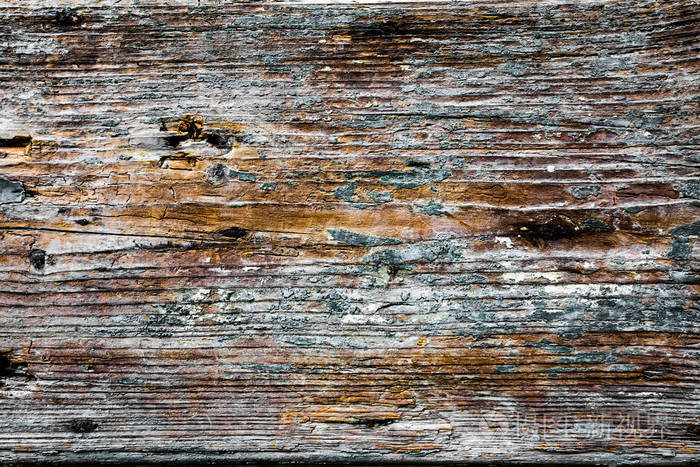
Post - treatment: Fix the rust effect and extend the service life after using Iron Rusting Agent
After the metal surface forms the desired rust layer with the help of Iron Rusting Agent, proper post - treatment is necessary to fix the rust effect, prevent excessive rusting, and improve the durability of the rust layer. This stage includes rinsing, drying, and optional sealing.
Rinse the metal surface to stop Iron Rusting Agent reaction
The Iron Rusting Agent will continue to react with iron if it remains on the metal surface, which may lead to excessive rusting (the rust layer becomes too thick and peels off) or corrosion of the metal substrate. Therefore, after achieving the desired rust effect, rinse the surface immediately.
Use tap water to rinse the metal surface thoroughly for 2 - 3 minutes, ensuring that all residual Iron Rusting Agent is washed away. You can use a soft sponge to gently wipe the surface during rinsing, but do not scrub hard to avoid damaging the newly formed rust layer.
After rinsing, check the surface with pH test paper. If the pH value is neutral (6 - 7), it means the rusting agent has been completely removed; if it is acidic (pH < 6), continue rinsing until it is neutral.
Dry the metal surface to stabilize the rust layer
Moisture remaining on the metal surface will continue to cause oxidation, leading to uneven rusting. Therefore, drying is an important step to stabilize the rust layer.
For small parts, use a clean, dry lint - free cloth to wipe the surface gently to absorb moisture. For large parts, use a fan or air dryer (set to low temperature) to dry the surface. Avoid using high - temperature dryers, as sudden heating may cause the rust layer to crack.
After drying, place the metal in a well - ventilated, dry environment for 1 - 2 hours to ensure that the rust layer is completely dry and stable. Do not place it in a humid environment (such as a bathroom or basement) during this period, as moisture in the air may affect the stability of the rust layer.
Seal the rust layer (optional) to enhance durability
If the rusted metal needs to be used outdoors or in a humid environment, sealing the rust layer can prevent the rust from spreading and extend the service life of the product. Although Iron Rusting Agent itself does not have a sealing function, it can be used in conjunction with a sealant.
Choose a suitable sealant: use a clear acrylic sealant or a rust - resistant spray. These products can form a transparent protective film on the surface of the rust layer, isolating it from air and moisture.
Before applying the sealant, ensure that the rust layer is completely dry. Apply the sealant evenly to the metal surface using a sprayer or brush, following the manufacturer's instructions for the number of coats and drying time. Generally, 2 - 3 coats of sealant are sufficient to provide good protection.
After the sealant is completely dry (usually 24 hours), the rusted metal can be used normally. The sealant not only protects the rust layer but also maintains the appearance of the rust, preventing it from fading or peeling.
Common problems and solutions in quick rusting with Iron Rusting Agent
In the process of using Iron Rusting Agent to accelerate rusting, you may encounter some problems, such as uneven rusting, slow rusting speed, or damage to the metal substrate. The following are common problems and their solutions:
Uneven rusting (some areas are rusty, some are not)
Possible causes: 1. The metal surface was not cleaned thoroughly, and there are residual oil stains or dirt; 2. The Iron Rusting Agent was applied unevenly (such as missing areas when spraying or brushing); 3. There were air bubbles during dipping, blocking the contact between the agent and the metal.
Solutions: 1. Re - clean the metal surface with a degreaser and sandpaper, and ensure it is completely dry; 2. When applying the Iron Rusting Agent again, pay attention to even application (use a sprayer for large areas and a small brush for detailed areas); 3. When dipping, gently stir the solution to remove air bubbles, or tap the container to release air bubbles on the metal surface.
Slow rusting speed (no obvious rust after a long time)
Possible causes: 1. The Iron Rusting Agent was diluted too much, resulting in low concentration; 2. The ambient temperature is too low (below 20°C), slowing down the reaction; 3. The metal material is not suitable (such as stainless steel or high - alloy steel).
Solutions: 1. Increase the concentration of the Iron Rusting Agent (reduce the dilution ratio or use it undiluted); 2. Increase the ambient temperature (use a heater to raise the temperature to 40°C - 60°C); 3. Replace the metal material with pure iron or low - carbon steel.
Damage to the metal substrate (the metal becomes thin or deformed)
Possible causes: 1. The Iron Rusting Agent was left on the surface for too long, causing excessive corrosion; 2. A strong acid - based rusting agent was used (such as muriatic acid), which dissolves both rust and the base metal.
Solutions: 1. Strictly control the reaction time, and rinse the surface immediately when the desired rust effect is achieved; 2. Choose a mild Iron Rusting Agent (such as the phosphoric acid - based product from Xingtai Weineng Technology), which can dissolve rust quickly without damaging the base metal.
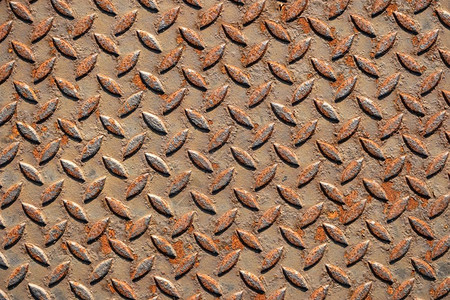
Safety precautions for using Iron Rusting Agent in quick rusting
Iron Rusting Agent contains chemical components that may be corrosive or irritating, so safety must be the top priority during use. The following are key safety precautions:
Wear personal protective equipment: Always wear nitrile gloves, goggles, and a respirator (especially when using a sprayer). Do not touch the Iron Rusting Agent with bare hands, as it may cause skin redness, burns, or allergic reactions. If the agent comes into contact with the skin, rinse it with plenty of water immediately for 15 - 20 minutes and seek medical attention if necessary.
Operate in a well - ventilated environment: Avoid using Iron Rusting Agent in closed spaces (such as small rooms without windows). Good ventilation can reduce the concentration of harmful gases or mist in the air, preventing respiratory tract irritation. If working indoors, turn on fans or open windows.
Store Iron Rusting Agent correctly: After use, seal the Iron Rusting Agent tightly and store it in a cool, dry place away from direct sunlight and moisture. Keep it out of the reach of children and pets. Do not store it with food, drinks, or other chemicals (especially strong alkalis, as they may react with the rusting agent and cause danger).
Dispose of waste properly: Do not pour the residual Iron Rusting Agent or rinsing water into the sewer directly, as it may corrode the pipeline or pollute the environment. Collect the waste solution in a sealed container and hand it over to a professional hazardous waste treatment agency for disposal in accordance with local regulations.
Application scenarios of quick rusting with Iron Rusting Agent
The method of quick rusting using Iron Rusting Agent is widely used in various fields, mainly including the following:
Industrial metal processing: Test anti-corrosion performance efficiently
In the manufacturing process of metal products such as auto parts, mechanical components, and pipeline fittings, verifying the anti-corrosion performance of products is a key quality control link. Traditional natural rusting tests take months, which seriously delays the production cycle. With Iron Rusting Agent, enterprises can complete the accelerated corrosion test in a short time-for example, simulating 6 months of natural rusting in 24-48 hours-to quickly evaluate whether the anti-rust coating, material selection, or structural design of the product meets the industry standards.
For instance, auto parts manufacturers often use the Iron Rusting Agent from Xingtai Weineng Technology Co., Ltd. to test the anti-corrosion effect of chassis components. They apply the undiluted agent to the component surface, control the temperature at 50-60°C, and observe the rust spread speed after 8 hours. If the rust layer only forms on the uncoated edge (instead of penetrating the anti-rust coating), the product is considered to pass the test. This method not only shortens the test cycle by more than 90% but also ensures the accuracy of the results, as the Iron Rusting Agent simulates the chemical reaction mechanism of natural oxidation without introducing additional impurities.
Artistic creation: Create unique rust aesthetics
In the field of art and design-such as metal sculpture, decorative paintings, and furniture customization-rust is no longer a sign of "damage" but a unique aesthetic element. Artists and designers use Iron Rusting Agent to control the color, texture, and distribution of rust, creating personalized works that cannot be replicated by natural rusting.
For example, when creating a metal wall painting, a designer may first cut low-carbon steel plates into the desired shape, then clean the surface with a degreaser. Next, they dilute the Iron Rusting Agent at a 1:1 ratio and apply it to specific areas with a brush-thicker application in the center to form a deep orange rust, and lighter application at the edges to create a gradient effect. After 30 minutes, they rinse the surface lightly with water to stop the reaction, leaving a natural-looking rust pattern that blends with the painting's theme. Compared with natural rusting, Iron Rusting Agent allows artists to "design rust" precisely: they can create spotty rust, striped rust, or even rust letters by covering unwanted areas with tape before applying the agent, greatly expanding the creative space.
Architectural decoration: Achieve vintage and durable effects
In architectural design-especially for outdoor landscapes, old-style buildings, or commercial spaces (such as cafes, bookstores)-rusted metal decorations are favored for their vintage style and weather resistance. Iron Rusting Agent helps construction teams quickly produce large-scale rusted decorations, such as rusted steel planters, rusted metal fences, or rusted exterior wall panels, without waiting for years of natural aging.
Take the construction of a community garden as an example: the team uses low-carbon steel pipes to make a fence frame. After polishing the surface, they spray the undiluted Iron Rusting Agent with a sprayer, ensuring even coverage. Within 2 hours, the steel pipes develop a uniform brown rust layer. Then, they rinse the surface and apply a clear acrylic sealant. The final fence not only has a retro rust appearance that matches the garden's natural style but also has enhanced durability- the combination of the rust layer and sealant prevents further corrosion from rain and humidity. Without Iron Rusting Agent, the same fence would take at least 1-2 years to form a similar rust layer, and the rust distribution would be uneven, affecting the overall aesthetic.
Educational and scientific research: Demonstrate oxidation principles intuitively
In middle school chemistry classes or university materials science laboratories, Iron Rusting Agent is an excellent teaching tool. It helps students understand the principle of iron oxidation intuitively, as the rapid rusting process allows them to observe chemical reactions in real time-something that natural rusting cannot achieve.
A chemistry teacher might design an experiment: prepare three identical low-carbon steel sheets, clean them, and place them in three beakers. The first beaker is filled with water (natural rusting control group), the second with water and oxygen (enhanced natural rusting), and the third with a diluted Iron Rusting Agent solution. Students can observe that the steel sheet in the third beaker starts to rust in 5 minutes, while the first two show no obvious rust even after 2 hours. Through this experiment, students can easily conclude that Iron Rusting Agent accelerates oxidation by providing catalysts (such as certain ions in the agent) that lower the activation energy of the reaction. In addition, researchers also use Iron Rusting Agent to study the mechanism of metal corrosion: they adjust the concentration of the agent, temperature, or pH value to explore how different factors affect the rusting speed, providing data support for the development of new anti-corrosion materials.
The core value of Iron Rusting Agent in quick rusting
In summary, Iron Rusting Agent is the key to realizing rapid, controllable, and high-quality rusting. From pre-preparation (selecting materials, cleaning surfaces, preparing tools) to core operations (diluting the agent, choosing application methods, controlling temperature and time), and then to post-treatment (rinsing, drying, sealing), every step relies on the performance of Iron Rusting Agent to achieve the desired effect. Whether in industrial testing, artistic creation, architectural decoration, or education and research, Iron Rusting Agent solves the pain points of natural rusting-such as long time, uneven effect, and uncontrollable process-while ensuring safety and compliance (as demonstrated by the MSDS certification of Xingtai Weineng Technology's product).
When using Iron Rusting Agent, it is important to remember: choosing a high-quality agent (such as the product with free samples and flexible minimum order quantity) is the foundation, following scientific operation steps is the key, and adhering to safety precautions is the guarantee. With the right use of Iron Rusting Agent, quick rusting is no longer a difficult task but a efficient, precise, and creative process that serves various fields and meets diverse needs.