

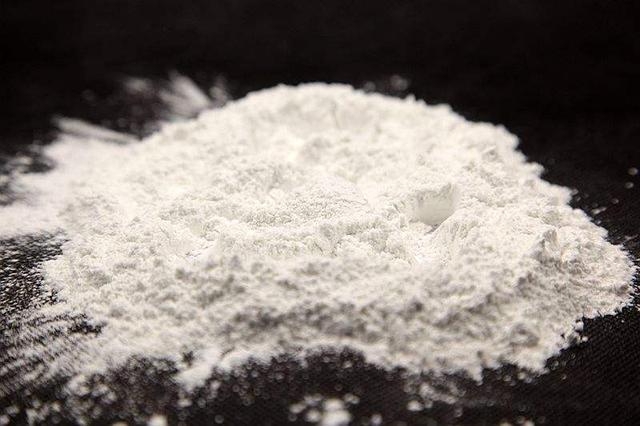
Degreasing powder, a versatile cleaning agent composed of surfactants, alkaline substances, chelating agents, and other functional components, plays an indispensable role in various fields by effectively removing oil, grease, and other stubborn contaminants. Its strong degreasing ability, cost-effectiveness, and adaptability to different cleaning scenarios make it a preferred choice for both industrial production and daily life. To fully understand the value of this product, this article will explore its specific uses in industrial manufacturing, daily household cleaning, special industry maintenance, and environmental protection, with a focus on how degreasing powder addresses diverse cleaning challenges.
The application of degreasing powder in industrial manufacturing
In industrial manufacturing, oil and grease are common by-products or contaminants that can affect product quality, production efficiency, and equipment lifespan. Degreasing powder, with its ability to penetrate, emulsify, and dissolve oil deposits, becomes a core cleaning solution in multiple manufacturing sectors. From metal processing to electronics production, it ensures that workpieces, machinery, and production lines remain free from oil-related defects.
Degreasing powder for metal processing workpieces
Metal processing, including forging, casting, stamping, and machining, often leaves oil residues on workpiece surfaces. These residues, such as cutting oil, lubricating oil, and rust-preventive oil, not only interfere with subsequent processes like painting, plating, and welding but also cause corrosion over time. Degreasing powder is specifically formulated to tackle these metal-specific oil contaminants. When dissolved in water (usually at a certain temperature and concentration), it forms a cleaning solution that adheres to the metal surface. The surfactants in degreasing powder reduce the surface tension of the solution, allowing it to penetrate the gap between oil and metal; alkaline components then saponify animal and vegetable oils into soluble soap, while chelating agents prevent metal ions from reattaching to the workpiece. For example, in the automotive parts manufacturing industry, engine blocks and gearboxes must undergo degreasing with degreasing powder before electroplating to ensure the plating layer adheres firmly and has a smooth finish.
Degreasing powder for cleaning industrial machinery and equipment
Industrial machinery and equipment, such as conveyor belts, pumps, motors, and hydraulic systems, accumulate oil and grease during long-term operation. This accumulation can lead to reduced mechanical efficiency, increased friction, and even equipment failure. Degreasing powder provides a safe and efficient cleaning method for such machinery. Unlike solvent-based cleaners that may damage rubber seals or paint, degreasing powder (especially neutral or low-alkaline formulations) is gentle on most machine materials while still effectively removing oil. For instance, in food processing plants, conveyor belts used to transport meat or bakery products often get contaminated with animal fat or vegetable oil. Using degreasing powder to clean these belts not only removes the oil but also eliminates the risk of bacterial growth, complying with food safety standards. Additionally, in manufacturing plants with large-scale production lines, degreasing powder is often used in ultrasonic cleaning tanks to clean small parts like bearings and bolts, ensuring that every crevice is free from oil residues.
The role of degreasing powder in daily household cleaning
Beyond industrial settings, degreasing powder has become a practical tool in daily household cleaning, addressing common oil-related problems in kitchens, bathrooms, and even outdoor areas. Its strong degreasing power, combined with ease of use and affordability, makes it a popular choice for homeowners looking to tackle stubborn grease that regular detergents cannot remove.
Degreasing powder for kitchen cleaning
The kitchen is the primary area in a home where oil and grease accumulate, from stovetops and range hoods to pots, pans, and oven interiors. Regular dish soap often struggles to remove baked-on grease or thick oil deposits, but degreasing powder excels in this task. For example, when cleaning a greasy stovetop, mixing degreasing powder with warm water to form a paste and applying it to the surface allows the powder's components to break down the grease over 10-15 minutes. Wiping with a sponge then easily removes the dissolved oil, leaving the stovetop clean and shiny. Similarly, for pots and pans with burnt-on oil residues, soaking them in a solution of degreasing powder and hot water overnight loosens the grease, making it easy to scrub off the next day. Degreasing powder is also effective for cleaning range hood filters, which trap large amounts of oil during cooking. Soaking the filters in a degreasing powder solution and then rinsing with water restores their permeability, ensuring the range hood operates efficiently.
Degreasing powder for bathroom and outdoor household cleaning
While the bathroom is not typically associated with oil, it can accumulate soap scum (a combination of soap residue, oil, and hard water minerals) on tiles, bathtubs, and shower doors. Degreasing powder's ability to dissolve oil and break down mineral deposits makes it an ideal cleaner for these surfaces. For instance, scrubbing bathroom tiles with a mixture of degreasing powder and water removes soap scum and restores the tiles' original luster without scratching the surface (when used with a non-abrasive sponge). In outdoor areas, degreasing powder can clean oil stains on driveways or garage floors caused by leaking car oil. Sprinkling degreasing powder directly on the oil stain, adding a small amount of water to form a paste, and letting it sit for 30 minutes before rinsing with a hose effectively lifts the oil from the concrete surface. Additionally, degreasing powder can be used to clean outdoor furniture made of metal or plastic that has accumulated dirt and oil from outdoor use, extending the furniture's lifespan.
The use of degreasing powder in special industry maintenance
Certain industries, such as aviation, marine, and medical, have strict cleaning requirements due to the high precision of their equipment and the need to comply with safety regulations. Degreasing powder, when formulated to meet industry-specific standards, provides a reliable cleaning solution that ensures equipment performance and safety.
Degreasing powder for aviation and marine equipment maintenance
Aviation and marine equipment, such as aircraft engines, ship propellers, and fuel systems, operate in harsh environments and are prone to oil, grease, and fuel residue buildup. These residues can affect the equipment's performance-for example, oil deposits in aircraft engines can reduce fuel efficiency and increase the risk of overheating. Degreasing powder used in these industries is often low-foaming, high-temperature resistant, and non-corrosive to sensitive materials like aluminum alloys and titanium. For instance, during aircraft maintenance, degreasing powder is used to clean engine components such as turbine blades and fuel injectors. The powder's formula is designed to remove all oil and fuel residues without leaving any deposits, ensuring the engine operates at optimal performance. In marine settings, degreasing powder is used to clean ship hulls (to remove oil and marine organisms that increase drag) and fuel tanks (to prevent fuel contamination), complying with international maritime safety regulations.
Degreasing powder for medical equipment cleaning
Medical equipment, such as surgical instruments, diagnostic devices, and hospital beds, requires thorough cleaning to remove not only oil and grease (from lubrication or handling) but also biological contaminants like bacteria and viruses. Degreasing powder used in the medical industry is often sterilizable, non-toxic, and compatible with autoclaving (a high-temperature sterilization process). For example, surgical instruments like scalpels and forceps are lubricated with medical-grade oil to prevent rust and ensure smooth operation. After use, these instruments must be degreased before sterilization, as oil can block the penetration of steam in autoclaves, leading to incomplete sterilization. Degreasing powder effectively removes the lubricating oil while being gentle on the instrument's metal surface, ensuring that subsequent sterilization is successful. Additionally, hospital beds and wheelchairs, which are often exposed to body oils and greases, can be cleaned with degreasing powder to maintain hygiene and prevent the spread of infections.

The contribution of degreasing powder to environmental protection
In recent years, environmental protection has become a global focus, and the cleaning industry has shifted toward developing eco-friendly products. Degreasing powder, when formulated with biodegradable components, contributes to environmental protection by reducing pollution and minimizing harm to ecosystems. Its water-based nature also makes it easier to treat and recycle, compared to solvent-based cleaners that release volatile organic compounds (VOCs) into the air.
Degreasing powder as an eco-friendly alternative to solvent-based cleaners
Traditional solvent-based degreasers, such as those containing kerosene or trichloroethylene, are highly effective at removing oil but pose significant environmental risks. They release VOCs, which contribute to air pollution and smog, and can contaminate soil and groundwater if not disposed of properly. Degreasing powder, by contrast, is typically water-soluble and made with biodegradable surfactants and alkaline substances that break down naturally in the environment. For example, in automotive repair shops, which previously used solvent-based cleaners to degrease car engines, switching to eco-friendly degreasing powder has reduced VOC emissions by up to 50%, according to industry studies. Additionally, the wastewater from degreasing powder cleaning can be treated with standard wastewater treatment processes (such as pH adjustment and sedimentation) to remove contaminants, making it safe to discharge or reuse, further reducing water waste.
Degreasing powder for oil spill cleanup in small-scale environmental incidents
While large-scale oil spills require specialized equipment and chemicals, small-scale oil spills (such as those from leaking cars, lawnmowers, or storage tanks) can be effectively cleaned up with degreasing powder. When oil spills on soil or concrete, degreasing powder can be sprinkled directly on the spill to absorb and emulsify the oil. The powder's components break down the oil into small droplets that can be easily washed away with water or collected for proper disposal. For example, in residential areas, if a car leaks oil on a lawn, sprinkling degreasing powder on the affected area prevents the oil from seeping into the soil and harming plants. The powder binds to the oil, making it easy to scoop up and discard, while the remaining residue is biodegradable and does not damage the soil. This use of degreasing powder helps prevent small oil spills from becoming larger environmental problems, protecting local ecosystems and water sources.
The Versatile Value and Future Outlook of Degreasing Powder
Degreasing powder is a highly versatile cleaning agent with a wide range of applications across industrial manufacturing, daily household cleaning, special industry maintenance, and environmental protection. Its ability to effectively remove oil and grease, combined with adaptability to different materials and scenarios, makes it an essential product in modern life. In industrial settings, it ensures product quality and equipment efficiency; in households, it simplifies the cleaning of stubborn grease; in special industries, it meets strict safety and performance standards; and in environmental protection, it offers an eco-friendly alternative to harmful cleaners. As technology advances, the formulation of degreasing powder will continue to improve-becoming more efficient, eco-friendly, and tailored to specific needs-further expanding its role in addressing cleaning challenges in various fields. Whether in a factory, a home, or a medical facility, degreasing powder proves its value by making cleaning tasks easier, safer, and more effective.