

Overview of Phosphating Technology in China
Evolution and Significance
Phosphating technology has undergone significant development in China, transitioning from traditional methods to advanced four-in-one solutions. This process involves applying a phosphate-based coating to metal surfaces, enhancing corrosion resistance, paint adhesion, and wear resistance. The four-in-one solution integrates cleaning, surface conditioning, phosphating, and passivation into a single step, revolutionizing industrial applications. Its importance lies in improving product durability, reducing production costs, and minimizing environmental impact by eliminating multiple processing stages.
Key Applications
The four-in-one phosphating solution is widely used across industries such as automotive, electronics, and construction. In the automotive sector, it prepares metal components for painting, ensuring longevity and aesthetic appeal. Electronics benefit from improved conductivity and corrosion protection. Construction applications include structural steel treatment to prevent rust. Its versatility makes it indispensable in modern manufacturing, driving innovation and efficiency.
Composition and Mechanism of Four-in-One Solution
Core Components
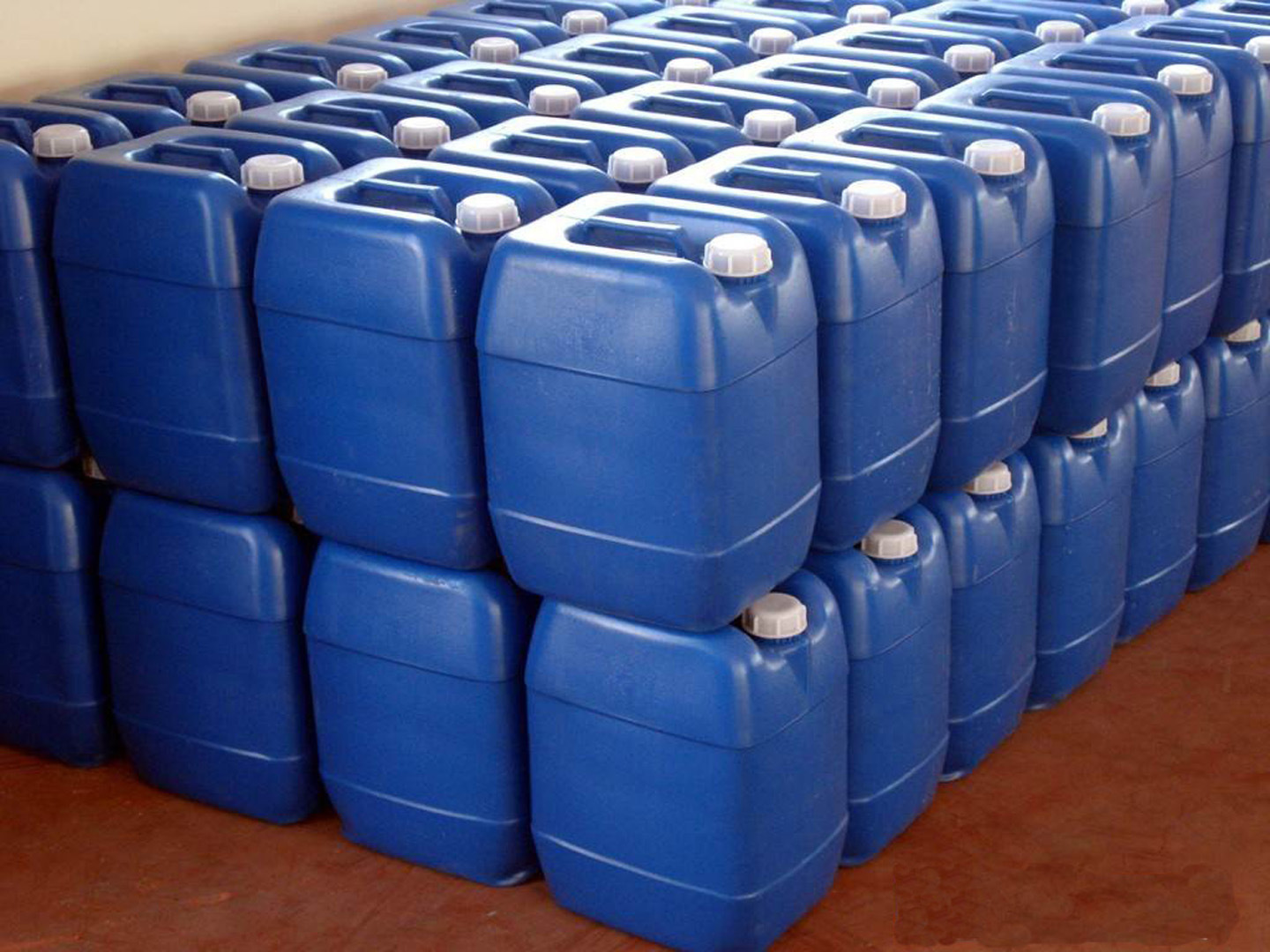
The four-in-one solution comprises phosphoric acid, zinc or manganese phosphates, accelerators, and additives. Phosphoric acid forms the base layer, while zinc or manganese phosphates create the protective coating. Accelerators speed up the reaction, and additives enhance stability and performance. This balanced composition ensures uniform coating formation, optimizing surface properties for various industrial needs.
Working Mechanism
During application, the solution reacts with metal surfaces, forming a crystalline phosphate layer. This layer acts as a barrier against corrosion and improves paint adhesion. The integrated process of cleaning, conditioning, phosphating, and passivation occurs simultaneously, reducing processing time and energy consumption. The mechanism ensures efficient transformation of metal surfaces, making it a preferred choice for high-volume production environments.

Advantages Over Traditional Methods
Efficiency and Cost-Effectiveness
The four-in-one solution offers superior efficiency by combining four steps into one, significantly reducing production time and labor costs. Traditional methods require separate stages for cleaning, conditioning, phosphating, and passivation, leading to higher operational expenses. The integrated approach minimizes waste and energy usage, making it economically viable for large-scale industries.
Environmental Benefits
Environmental sustainability is a key advantage. Traditional methods generate more waste and require additional chemicals, increasing pollution risks. The four-in-one solution reduces chemical consumption and waste output, aligning with China's environmental regulations and global sustainability goals. Its eco-friendly nature supports green manufacturing practices.
Performance Enhancements
Performance-wise, the solution provides better corrosion resistance and paint adhesion compared to traditional techniques. The uniform phosphate layer ensures consistent quality, reducing defects and enhancing product reliability. Industries benefit from improved product lifespan and reduced maintenance costs, driving adoption across sectors.
Market Analysis in China
Current Landscape
China's phosphating solution market is experiencing robust growth, driven by industrial expansion and technological advancements. The four-in-one solution has gained prominence due to its efficiency and cost-effectiveness. Key players include domestic manufacturers and international firms with local operations. Market dynamics indicate increasing demand from automotive and electronics sectors, reflecting China's industrial modernization.
Growth Drivers
Several factors contribute to market growth. Industrialization and urbanization boost demand for durable metal products. Government policies promoting environmental sustainability encourage adoption of eco-friendly solutions. Technological innovations enhance product performance, making the four-in-one solution a preferred choice. These drivers create a favorable environment for market expansion.
Challenges and Opportunities
Challenges include competition from traditional methods and initial setup costs for new technologies. However, opportunities arise from increasing awareness of sustainability benefits and growing industrial applications. Market players can leverage these opportunities by investing in research and development, expanding product offerings, and strengthening distribution networks.

Technological Innovations and Trends
Recent Advancements
Recent technological innovations focus on improving efficiency and environmental compatibility. Advanced formulations enhance coating durability and reduce processing time. Digitalization and automation streamline production, ensuring consistent quality. These advancements position the four-in-one solution at the forefront of industrial surface treatment technologies.
Future Trends
Future trends include further integration of smart technologies for real-time monitoring and control. Sustainable practices will drive development of bio-based additives and recyclable solutions. The market is expected to shift towards more customized and high-performance products, catering to specific industry needs. Staying ahead of these trends will be crucial for market leaders.
Case Studies of Successful Implementations
Automotive Industry Application
In the automotive sector, a leading manufacturer implemented the four-in-one solution for metal component treatment. The integrated process reduced production time by 30%, cut chemical usage by 25%, and improved corrosion resistance significantly. The solution's efficiency and cost-effectiveness made it a benchmark for industry applications, demonstrating its transformative potential.
Electronics Sector Application
An electronics company adopted the solution for circuit board protection. The results showed enhanced conductivity and durability, reducing defects and improving product reliability. The case highlights the solution's versatility and effectiveness in sensitive applications, driving its adoption in high-tech industries.
Environmental and Safety Considerations
Regulatory Compliance
Adhering to environmental and safety regulations is critical. The four-in-one solution aligns with China's stringent standards for chemical usage and waste management. Compliance ensures sustainable operations and minimizes legal risks. Industry players must stay updated with regulatory changes to maintain market competitiveness.
Safety Measures
Implementing safety protocols during application is essential. Proper handling and storage of chemicals prevent accidents and ensure worker safety. Training programs and protective equipment are integral to risk management. Prioritizing safety enhances operational efficiency and fosters a positive work environment.
Future Outlook and Strategic Recommendations
Market Projections
The future outlook for the four-in-one phosphating solution in China is optimistic. Market growth is projected to continue, driven by industrial demand and technological innovations. Emerging sectors like renewable energy and smart manufacturing will create new opportunities. Strategic investments in research and development will be key to sustaining growth.
Strategic Recommendations
To capitalize on market potential, companies should focus on innovation, sustainability, and customer-centric approaches. Developing advanced formulations and expanding into niche markets will enhance competitiveness. Collaboration with industry stakeholders and adherence to global standards will drive long-term success. These strategies will ensure leadership in the evolving phosphating solution landscape.