

Understanding Ethanol Variants: An Overview
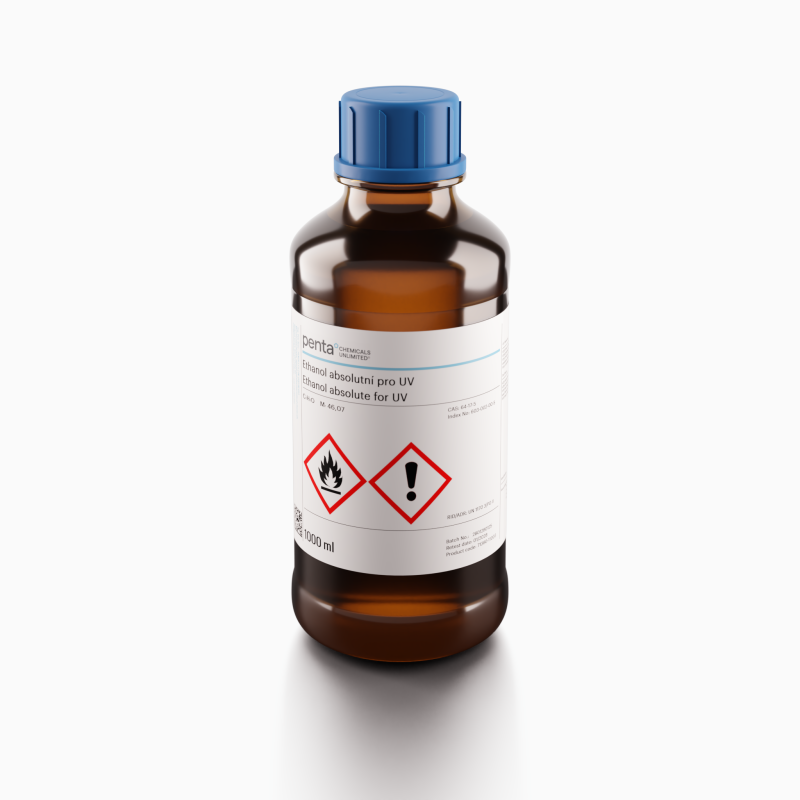
Ethanol, a versatile organic compound, exists in various forms, with absolute ethanol and 95% ethanol being prominent examples. Absolute ethanol, also known as anhydrous ethanol, is a highly purified form with minimal water content, typically less than 1%. In contrast, 95% ethanol contains a significant amount of water, making it a hydrated solution. These differences in composition stem from distinct production processes and have profound implications for their applications in chemistry, industry, and medicine. Understanding these variants is crucial for selecting the appropriate ethanol type for specific uses, as their chemical properties and reactivity vary significantly based on water content.
Production Processes: How They Are Made
Absolute Ethanol Production
Absolute ethanol is produced through rigorous dehydration methods to remove virtually all water molecules. Common techniques include azeotropic distillation, where benzene or cyclohexane is added to break the ethanol-water azeotrope, allowing complete separation. Another method involves molecular sieves, which selectively absorb water while leaving ethanol unaffected. These processes ensure that absolute ethanol meets stringent purity standards, often exceeding 99.5% ethanol content. The complexity of these methods makes absolute ethanol more expensive and suitable for applications where water presence would interfere with chemical reactions or product integrity.
95% Ethanol Production
95% ethanol, also known as rectified spirit, is produced through simpler distillation processes. It involves multiple stages of fractional distillation to separate ethanol from water and other impurities. However, due to the ethanol-water azeotrope forming at 95.6% ethanol by volume at atmospheric pressure, further purification without additional steps is challenging. This azeotropic composition limits the maximum ethanol concentration achievable through standard distillation alone. The production of 95% ethanol is more cost-effective and scalable, making it widely available for industrial and laboratory use where high purity is not critical.

Physical Properties: A Comparative Analysis
Boiling Points and Volatility
The boiling point of ethanol is influenced by its water content. Absolute ethanol, with minimal water, boils at the standard ethanol boiling point of 78.3°C. In contrast, 95% ethanol has a slightly higher boiling point due to the presence of water, which raises the overall boiling temperature of the mixture. This difference in volatility affects evaporation rates and handling requirements. Absolute ethanol is more volatile and requires careful storage to prevent rapid evaporation, while 95% ethanol's higher boiling point makes it slightly easier to handle in open environments.
Density and Solubility
Absolute ethanol has a lower density compared to 95% ethanol because water, being denser than ethanol, increases the overall density of the mixture. This density difference impacts solubility properties; absolute ethanol is a more effective solvent for non-polar substances due to its pure nature, whereas 95% ethanol can dissolve a broader range of compounds, including some polar substances, because of its water content. The solubility characteristics make each variant suited for specific applications in chemistry and industry.

Chemical Reactivity: How They Behave
Reaction with Water-Sensitive Compounds
Absolute ethanol is preferred in reactions where water presence would be detrimental. For example, in esterification reactions, water can act as a byproduct and shift the equilibrium, reducing reaction efficiency. Absolute ethanol's anhydrous nature ensures that such reactions proceed without interference. In contrast, 95% ethanol is unsuitable for water-sensitive reactions due to its significant water content, which can lead to side reactions or incomplete conversions. This makes absolute ethanol indispensable in synthetic chemistry and pharmaceutical manufacturing.
Oxidation and Reduction Processes
The presence of water in 95% ethanol affects its oxidation and reduction behavior. Water can act as a catalyst or inhibitor in certain reactions, altering the reaction pathways and products. Absolute ethanol, lacking water, provides a cleaner environment for these processes, ensuring consistent and predictable outcomes. For instance, in oxidation reactions to produce aldehydes or ketones, absolute ethanol is often used to avoid the formation of unwanted byproducts that can arise from water-mediated side reactions.

Applications in Industry and Science
Absolute Ethanol Uses
Absolute ethanol is widely used in the pharmaceutical industry for drug synthesis and as a solvent for active pharmaceutical ingredients (APIs). Its anhydrous nature ensures stability and efficacy of medications. In the electronics industry, it serves as a cleaning agent for sensitive components, where water residues could cause short circuits or corrosion. Additionally, absolute ethanol is used in analytical chemistry for preparing standard solutions and calibrating instruments, where precision is paramount.
95% Ethanol Uses
95% ethanol finds extensive use in disinfectants and hand sanitizers, where its water content enhances its ability to denature proteins and kill microorganisms. It is also used in the production of alcoholic beverages, where the balance between ethanol and water affects the taste and quality of the product. In industrial settings, 95% ethanol serves as a solvent for paints, coatings, and inks, providing a cost-effective solution for large-scale applications. Its versatility and affordability make it a staple in many manufacturing processes.
Storage and Handling: Safety Considerations
Absolute Ethanol Storage
Absolute ethanol must be stored in airtight containers to prevent absorption of moisture from the air, which can degrade its purity. It should be kept away from heat sources and open flames due to its high flammability. Proper labeling and handling procedures are essential to avoid accidents, as exposure to skin or eyes can cause irritation. The storage environment should be cool and dry, with adequate ventilation to prevent vapor accumulation.
95% Ethanol Storage
95% ethanol requires similar precautions but is slightly less sensitive to moisture absorption due to its existing water content. However, it should still be stored in sealed containers to maintain its composition and prevent contamination. The flammability of 95% ethanol necessitates keeping it away from ignition sources, and proper labeling is crucial for safe handling. Regular inspections of storage conditions help ensure the ethanol remains suitable for use.
Environmental Impact: Sustainability Aspects
Absolute Ethanol Production
The production of absolute ethanol involves energy-intensive processes, such as azeotropic distillation or molecular sieves, which contribute to higher carbon emissions compared to simpler distillation methods. However, advancements in green chemistry aim to reduce the environmental footprint by optimizing energy use and exploring renewable feedstocks. The sustainability of absolute ethanol production is a growing focus, with research into alternative dehydration techniques that minimize energy consumption and waste generation.
95% Ethanol Production
95% ethanol production is generally more energy-efficient due to fewer purification steps. It often utilizes renewable resources like sugarcane or corn, making it a more sustainable option in the short term. The scalability of 95% ethanol production aligns with global efforts to reduce reliance on fossil fuels. However, the environmental impact of its water content must be considered, as large-scale use in disinfectants and industrial applications can lead to water pollution if not managed properly.
Cost Analysis: Economic Implications
Absolute Ethanol Pricing
The complex production processes of absolute ethanol result in higher costs compared to 95% ethanol. The price reflects the purity and quality required for specific applications, such as pharmaceuticals and electronics. Bulk purchasing and long-term contracts can mitigate costs for industries that rely heavily on absolute ethanol. The economic value of absolute ethanol is justified by its critical role in high-precision fields where alternatives are unsuitable.
95% Ethanol Pricing
95% ethanol is more affordable due to simpler production and widespread availability. Its cost-effectiveness makes it accessible for large-scale industrial use, such as in disinfectants and solvents. The price is influenced by raw material availability and global demand, with fluctuations reflecting market conditions. For budget-conscious applications, 95% ethanol provides a practical solution without compromising essential properties.
Future Trends: Innovations and Developments
Advancements in Dehydration Technologies
Research is ongoing to develop more efficient dehydration methods for absolute ethanol production. Innovations like membrane separation and adsorption techniques aim to reduce energy consumption and improve yield. These advancements could make absolute ethanol more accessible and cost-effective, expanding its applications in emerging industries such as biofuel production and nanotechnology.
Sustainable Production Practices
The shift towards sustainability is driving changes in ethanol production, with a focus on renewable feedstocks and eco-friendly processes. For 95% ethanol, this includes optimizing water usage and reducing waste in manufacturing. The future of ethanol variants lies in balancing purity requirements with environmental considerations, ensuring that both absolute and 95% ethanol contribute to a greener economy.