

The basic definition and composition of cutting fluid
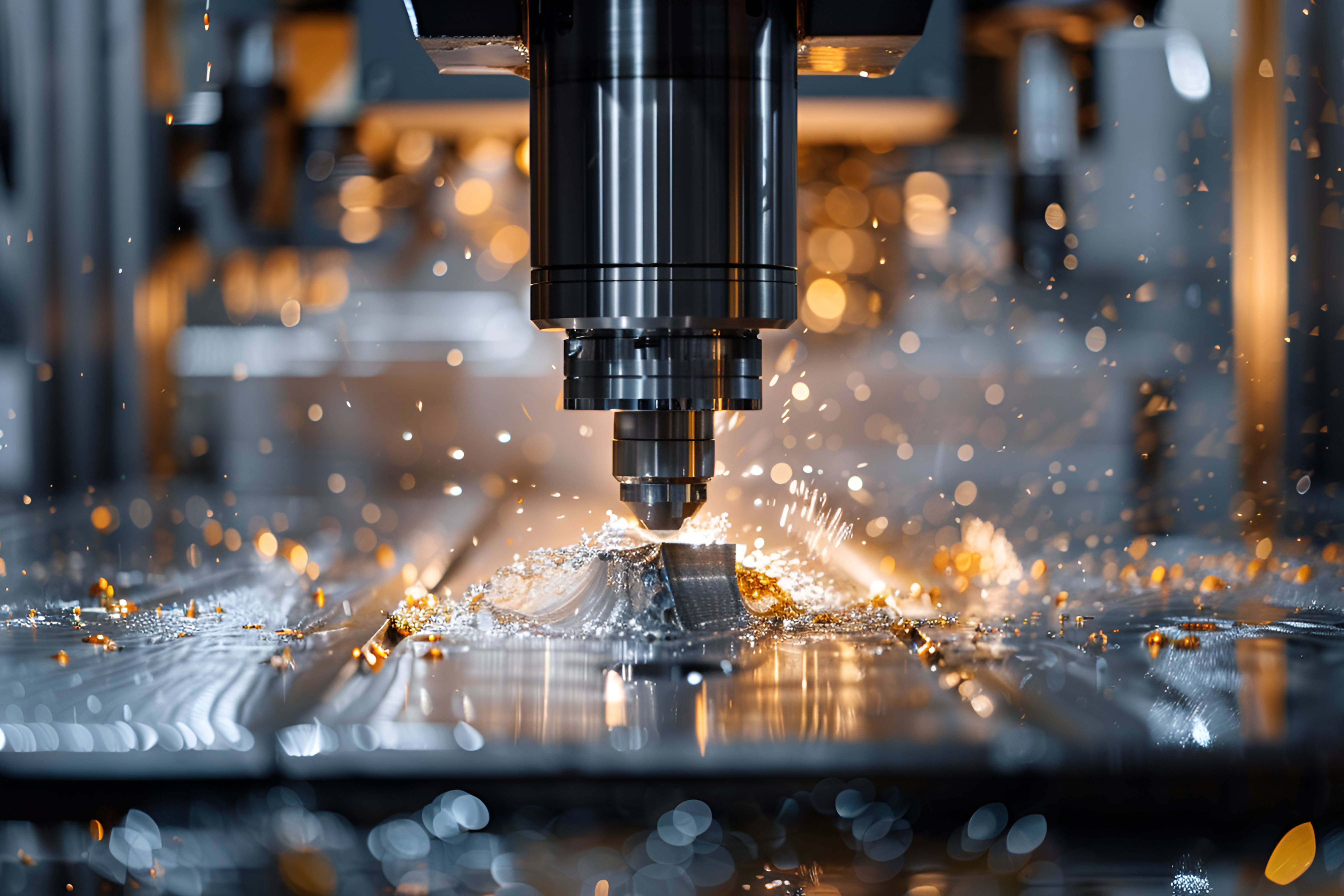
Metal cutting fluid is a critical auxiliary material in metal processing, essential for turning, milling, drilling, and grinding. It is a functional fluid designed to address high temperatures, friction, and chip accumulation during cutting, acting as a bridge between tool and workpiece to optimize processing conditions.
The core function-oriented definition of cutting fluid
Functionally, cutting fluid integrates cooling, lubrication, chip removal, and rust prevention to boost processing quality, extend tool life, and enhance efficiency. Cutting generates heat via friction and metal deformation; without dissipation, tool softening, accelerated wear, and workpiece damage occur. Cutting fluid absorbs and transfers heat to stabilize temperatures.
Its lubricating effect is equally vital: it forms a thin film between tool (rake/flank faces) and workpiece/chips, lowering friction. This reduces cutting force and prevents chip adhesion, avoiding built-up edges that harm workpiece finish and dimensional accuracy.
The main component composition of cutting fluid
Cutting fluid's composition varies by processing needs, workpiece materials, and tool types, primarily consisting of base oil/water and additives.
Oil-based cutting fluids: Base oil (80%-95% volume) includes mineral oils (low-cost, stable, for general cutting), vegetable oils (excellent lubricity, biodegradable but poor oxidation stability, for medium/low-speed precision cutting), and synthetic oils (high-temperature resistance, for high-speed/difficult-to-process metals).
Water-based cutting fluids: Water (over 80% volume) forms emulsified (oil-in-water emulsion, good lubricity/cooling for medium/heavy ferrous cutting), semi-synthetic (small base oil content, balanced lubricity/cooling, wide industrial use), and fully synthetic (no base oil, superior cooling/rust prevention, for high-speed grinding/non-ferrous cutting) types.
Additives: Emulsifiers (stabilize oil-water mixtures), rust inhibitors (form protective films), extreme pressure agents (high-temp chemical films), antifoaming agents (prevent foam), and bactericides (inhibit microbial growth in water-based fluids) enhance performance.

The classification and characteristics of cutting fluid
Classifying cutting fluid aids selection; by base material, it splits into oil-based and water-based, each with sub-types.
Oil-based cutting fluid: characteristics and application scope
Oil-based cutting fluid (cutting oil) uses oil as base, with no/little water. It offers excellent lubricity, rust prevention, and metal adaptability but poor cooling.
Mineral oil-based cutting fluid
Widely used, processed from petroleum. Low-cost, stable, compatible with most metals. Suitable for general cutting (carbon steel, cast iron, copper alloys) but not high-heat high-speed/heavy cutting.
Vegetable oil-based cutting fluid
Eco-friendly, refined from natural oils. Better lubricity (polar triglycerides) and biodegradable but prone to high-temp oxidation. For medium/low-speed non-ferrous (aluminum/copper alloys) and precision cutting.
Synthetic oil-based cutting fluid
Made from synthetic hydrocarbons/esters. High-temperature resistance, safety, and thermal conductivity. For high-speed/precision/difficult cutting (titanium/stainless steel) but costly.
Water-based cutting fluid: characteristics and application scope
Water-based fluid uses water as base, with superior cooling (high specific heat/thermal conductivity) but needs additives to counter metal corrosion.
Emulsified cutting fluid
Oil phase emulsified in water (0.1-10μm droplets). Good lubricity/rust prevention, moderate cooling. For medium/heavy ferrous cutting but requires bactericide and concentration/pH monitoring.
Semi-synthetic cutting fluid
5%-30% base oil + water-soluble polymers. Balanced cooling/lubricity/rust prevention. Suitable for diverse cutting (ferrous/non-ferrous) in automotive/machinery/aerospace.
Fully synthetic cutting fluid
No base oil, made from water-soluble polymers/surfactants. Excellent cooling, rust prevention, and stability, long service life. For high-cooling needs (grinding, high-speed non-ferrous cutting) but lower lubricity.
The important functions of cutting fluid in metal processing
Cutting fluid impacts quality, efficiency, and tool life via multi-functions.
Cooling function: reducing the temperature of cutting area
Basic but key: cutting generates heat from deformation/friction. Uncontrolled heat softens tools (e.g., high-speed steel loses hardness over 550-600°C) and harms workpiece accuracy/finish (thermal expansion/shrinkage, oxidation burns).
Cutting fluid cools via: direct contact (heat conduction) and convection/evaporation. Water-based fluid cools better, ideal for high-heat operations.
Lubricating function: reducing friction and wear
Reduces friction between tool-workpiece/chips. Friction increases cutting force and tool wear; cutting fluid forms lubricating films.
Physical adsorption film: Polar molecules (surfactants) attach via van der Waals/electrostatic forces, effective at low temp/pressure.
Chemical reaction film: Extreme pressure agents (S/P/Cl) react with metal at high temp/pressure, forming wear-resistant films.
Oil-based fluid has better lubricity (thicker film); water-based fluid improves with additives. Friction coefficient measures effect-lower = better.
Chip removal function: ensuring smooth cutting
Overlooked but critical: unremoved chips block cutting paths (tool jamming/breakage), scratch workpieces, and transfer heat.
Cutting fluid removes chips via: spray pressure (flushes chips to collection) and wetting (reduces chip adhesion). E.g., drilling uses internal cooling holes to flush chips.
Rust prevention function: protecting workpiece and tool
Post-processing, metal contacts moisture/oxygen; rust harms appearance/performance. Cutting fluid prevents this via rust inhibitors forming films:
Passivating: Reacts to form dense oxide films.
Adsorption: Polar groups form physical films.
Precipitation: Reacts with metal ions to form precipitation films.
Tests (cast iron chip, copper sheet corrosion, salt spray) evaluate rust prevention. Oil-based fluid protects ferrous metals for months; water-based fluid meets needs with sufficient inhibitors. Selection depends on metal type and storage time.

Key factors for selecting appropriate cutting fluid
Choosing the right cutting fluid directly affects processing efficiency and cost; multiple factors must be considered to match actual needs.
Workpiece material properties
Different metals have varying responses to cutting fluid. Ferrous metals (carbon steel, cast iron) are prone to rust, so cutting fluid with strong rust prevention is preferred-oil-based fluid or water-based fluid with high-efficiency rust inhibitors works well. Non-ferrous metals (aluminum, copper alloys) are sensitive to certain additives; for example, sulfur-containing extreme pressure agents may corrode copper. Thus, low-sulfur or sulfur-free cutting fluid (e.g., vegetable oil-based or fully synthetic fluid) is suitable for non-ferrous metal processing.
Difficult-to-process metals (titanium alloys, high-temperature alloys) generate high cutting heat and have strong tool adhesion. Cutting fluid with excellent high-temperature resistance and lubricity is required, such as synthetic oil-based fluid or semi-synthetic fluid with high-performance extreme pressure agents, to reduce tool wear and ensure processing quality.
Cutting method and conditions
The intensity of cutting determines the demand for cutting fluid performance. High-speed cutting (e.g., high-speed milling of aluminum alloys) generates massive heat, so cooling becomes the primary requirement-fully synthetic or semi-synthetic water-based fluid with strong heat dissipation is ideal. Heavy-duty cutting (e.g., rough turning of alloy steel) involves high cutting force and pressure, so cutting fluid with excellent extreme pressure lubricity (e.g., oil-based fluid with extreme pressure additives or emulsified fluid) is needed to protect tools from rapid wear.
Precision cutting (e.g., grinding of mold parts) focuses on workpiece surface finish. Cutting fluid with good lubricity and cleaning performance (e.g., semi-synthetic fluid or refined mineral oil-based fluid) is selected to avoid scratches on the workpiece surface and ensure dimensional accuracy.
Tool material characteristics
Tool materials have different thermal stability and wear resistance, influencing cutting fluid selection. High-speed steel tools have lower red hardness; they are sensitive to temperature, so cutting fluid with good cooling and lubricity (e.g., emulsified fluid or semi-synthetic fluid) is suitable to prevent tool softening. Cemented carbide tools have high thermal stability but are prone to chipping under poor lubrication; cutting fluid with moderate lubricity (e.g., semi-synthetic or fully synthetic fluid) works, and water-based fluid should be used with caution to avoid thermal shock (rapid temperature changes causing tool cracking).
Ceramic or diamond tools have excellent high-temperature resistance; they mainly rely on cooling to reduce workpiece thermal damage. Fully synthetic water-based fluid with strong cooling performance is often the first choice, and lubricity requirements can be appropriately lowered.

Usage and maintenance of cutting fluid
Proper usage and maintenance extend cutting fluid service life, ensure stable performance, and reduce replacement costs and environmental pollution.
Preparation and concentration control
For water-based cutting fluid, correct dilution is critical-too low concentration reduces lubricity and rust prevention, leading to tool wear and workpiece rust; too high concentration increases costs and may cause foaming or skin irritation. Dilution should follow the manufacturer's recommendations: use clean tap water (avoid hard water, which affects emulsion stability) and mix the concentrate with water in proportion (usually 5%-10% concentration for emulsified fluid, 3%-8% for semi-synthetic/fully synthetic fluid).
Regular concentration testing is necessary-tools like refractometers can quickly measure concentration. If concentration is too low, add cutting fluid concentrate; if too high, add appropriate water to adjust. For oil-based cutting fluid, no dilution is needed, but it should be filtered to remove impurities before use to prevent tool damage.
Routine monitoring and maintenance
During use, cutting fluid is prone to performance degradation due to contamination and additive consumption. Routine monitoring items include pH value, microbial content, and impurity content. The pH value of water-based cutting fluid should be maintained at 8.0-9.5; a too-low pH (below 7.5) promotes bacterial growth and metal corrosion, while a too-high pH (above 10.0) may cause skin irritation and paint peeling on machine tools. pH adjusters (e.g., amine compounds) can be added to correct deviations.
Microbial growth (bacteria, fungi) is a major issue for water-based cutting fluid, leading to stench, performance decline, and workpiece corrosion. Bactericides should be added regularly (every 1-2 weeks, depending on usage frequency), and the fluid tank should be cleaned monthly to remove sludge and dead bacteria. For oil-based cutting fluid, oxidation and impurity accumulation are common; regular oil quality testing (e.g., viscosity, acid value) is needed, and the fluid should be replaced when performance fails to meet requirements.
Waste cutting fluid treatment
Waste cutting fluid contains harmful substances (e.g., oil, heavy metals, additives) and cannot be discharged directly-improper treatment causes environmental pollution. Treatment methods include physical, chemical, and biological processes. Physical treatment (e.g., sedimentation, filtration) removes solid impurities and floating oil, reducing subsequent treatment pressure. Chemical treatment (e.g., coagulation, oxidation) breaks down harmful organic substances and converts heavy metals into precipitates, which are then separated. Biological treatment (e.g., activated sludge process) uses microorganisms to decompose organic matter in waste fluid into harmless substances (carbon dioxide, water), suitable for treating low-toxicity water-based waste fluid.
After treatment, the waste fluid must meet local environmental discharge standards before being discharged. Waste oil-based cutting fluid can be recycled through distillation or refining, reducing resource waste and environmental impact.
Future development trends of cutting fluid
With the advancement of manufacturing technology and increasing environmental requirements, cutting fluid is developing in the direction of high performance, environmental protection, and intelligence.
Environmentally friendly cutting fluid (green cutting fluid)
Environmental protection has become a core demand for cutting fluid development. Traditional mineral oil-based cutting fluid is difficult to biodegrade, and some additives (e.g., chlorine-containing extreme pressure agents) are toxic, causing soil and water pollution. Future cutting fluid will focus on biodegradable raw materials: vegetable oil-based fluid will be improved by modifying its molecular structure (e.g., adding antioxidants) to enhance oxidation stability and extend service life.
Low-toxicity or non-toxic additives will replace harmful ones-for example, phosphorus-free extreme pressure agents and natural bactericides (e.g., plant extracts) will be widely used to reduce environmental and human health risks. Additionally, water-based cutting fluid will be optimized to reduce water consumption and waste discharge, aligning with the concept of "green manufacturing."
High-performance and multi-functional cutting fluid
The development of difficult-to-process materials (e.g., composite materials, superalloys) and high-efficiency processing technologies (e.g., high-speed cutting, dry cutting) requires cutting fluid with more comprehensive performance. Future cutting fluid will integrate multiple high-performance characteristics: excellent high-temperature resistance to adapt to high-heat processing, strong lubricity to reduce tool wear, and good compatibility with diverse materials to avoid corrosion.
Multi-functional cutting fluid will also emerge-for example, cutting fluid with both cooling/lubrication functions and workpiece surface modification effects, which can improve the hardness and wear resistance of the workpiece surface while processing, reducing subsequent heat treatment procedures and improving production efficiency.
Intelligent management of cutting fluid
Intelligent manufacturing promotes the intelligent management of cutting fluid. Future workshops will adopt online monitoring systems for cutting fluid: sensors installed in the fluid tank will real-time monitor parameters such as concentration, pH value, temperature, and microbial content, and transmit data to a central control platform. The platform will analyze data through algorithms, automatically adjusting fluid concentration (adding concentrate or water) and adding additives (bactericides, pH adjusters) to ensure stable performance.
Intelligent systems can also predict cutting fluid service life based on usage conditions and historical data, reminding workers to replace the fluid in advance to avoid unexpected production interruptions. Additionally, big data analysis will optimize cutting fluid selection-by collecting processing parameters (material, tool, cutting method) and fluid performance data, the system can recommend the most suitable cutting fluid for different scenarios, improving processing efficiency and reducing costs.