

Clogged drains caused by hair are a common household nuisance. Whether it's in the bathroom sink, shower, or bathtub, hair can accumulate over time, mixing with soap scum, grease, and other debris to form stubborn blockages. When faced with this problem, many people wonder: what effectively dissolves hair in a clogged drain? The answer lies in a variety of solutions, ranging from commercial drain cleaners to natural homemade remedies. This article will explore the different options available, their working mechanisms, usage guidelines, safety considerations, and more, helping you choose the right method to unclog your drain and keep it flowing smoothly.
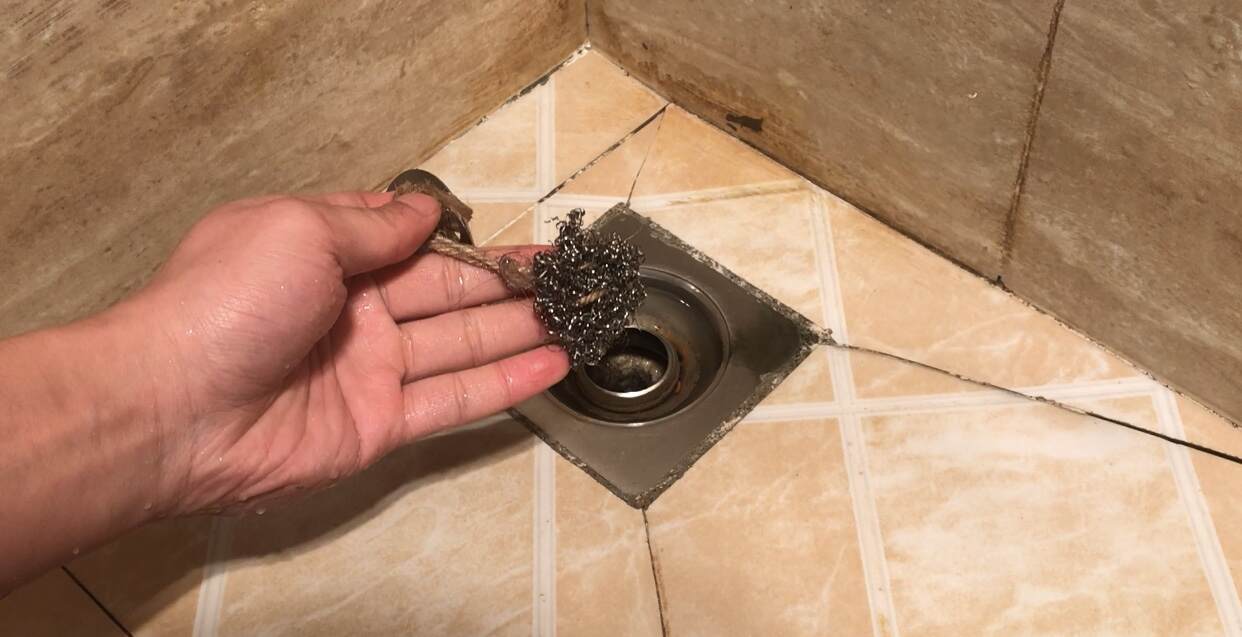
Commercial Drain Cleaners: The Go-To Solution for Hair Clogs
Commercial drain cleaners are widely available in stores and are often the first choice for many homeowners dealing with hair-clogged drains. These products are specifically formulated to break down hair and other organic matter, using a combination of chemicals that react with the clog to dissolve it. There are several types of commercial drain cleaners, each with its own unique properties and advantages.
Chemical-Based Drain Cleaners: Powerful Hair-Dissolving Agents
Chemical-based drain cleaners are the most common type of commercial drain cleaner used for hair clogs. They typically contain strong chemicals such as sodium hydroxide (lye), potassium hydroxide, sulfuric acid, or hydrochloric acid. These chemicals work by breaking down the protein structure of hair, which is made up of keratin. When the chemical comes into contact with the hair, it causes a chemical reaction that breaks the bonds in the keratin, turning the hair into a liquid or a soft sludge that can easily flow down the drain.
One of the key benefits of chemical-based drain cleaners is their speed and effectiveness. Many products can dissolve hair clogs within 15 to 30 minutes, making them a quick fix for urgent situations. However, it's important to note that these chemicals are highly corrosive and can be dangerous if not used properly. They can cause burns to the skin and eyes, and if inhaled, they can irritate the respiratory system. Additionally, chemical-based drain cleaners can damage certain types of pipes, such as older metal pipes or plastic pipes that are not resistant to harsh chemicals.
When using a chemical-based drain cleaner, it's crucial to follow the manufacturer's instructions carefully. This includes wearing protective gear such as gloves and goggles, avoiding contact with skin and eyes, and not mixing different types of drain cleaners, as this can cause dangerous chemical reactions. It's also recommended to test the drain cleaner on a small, inconspicuous area of the pipe first to ensure it doesn't cause damage.
Enzyme-Based Drain Cleaners: Eco-Friendly Hair Dissolvers
Enzyme-based drain cleaners are a more eco-friendly alternative to chemical-based ones. These products contain natural enzymes and bacteria that feed on organic matter, including hair, soap scum, and grease. The enzymes break down the hair into smaller molecules, which are then consumed by the bacteria, converting them into harmless byproducts such as water and carbon dioxide.
One of the main advantages of enzyme-based drain cleaners is their safety. They are non-corrosive, non-toxic, and do not pose a risk to humans, pets, or the environment. They are also safe to use on all types of pipes, including older metal pipes and plastic pipes. Additionally, enzyme-based drain cleaners work slowly but effectively, and they can help prevent future clogs by breaking down organic matter that accumulates in the drain over time.
However, enzyme-based drain cleaners do have some limitations. They are not as fast-acting as chemical-based ones, and it may take several hours or even overnight for them to dissolve a hair clog. They also work best in drains that are not completely blocked, as the enzymes need to come into contact with the clog to be effective. If the drain is completely blocked, it may be necessary to use a plunger or a drain snake to clear a small opening first, allowing the enzyme-based drain cleaner to reach the clog.

Using Drain Cleaners Correctly: Step-by-Step Guidelines for Hair Clog Removal
Using a drain cleaner correctly is essential to ensure its effectiveness and safety. Whether you choose a chemical-based or enzyme-based drain cleaner, following the right steps can help you remove the hair clog quickly and avoid damage to your pipes or harm to yourself.
Preparing for Drain Cleaner Use: Gather Supplies and Assess the Clog
Before using a drain cleaner, it's important to gather all the necessary supplies. For chemical-based drain cleaners, this includes protective gloves, goggles, a measuring cup (if the product requires dilution), and a bucket of water (to rinse the drain after use). For enzyme-based drain cleaners, you may only need the product itself, as they are generally safer to handle.
Next, you should assess the clog to determine its severity. If the drain is completely blocked, with water not draining at all, you may need to use a plunger or a drain snake to create a small opening before using the drain cleaner. This will allow the drain cleaner to reach the clog and work more effectively. If the drain is partially blocked, with water draining slowly, you can proceed directly with the drain cleaner.
It's also important to check the type of pipes you have. If you have older metal pipes or plastic pipes that are not resistant to harsh chemicals, you should avoid using chemical-based drain cleaners and opt for an enzyme-based one instead. You can usually find information about the type of pipes in your home in the building's blueprint or by consulting a plumber.
Applying the Drain Cleaner: Follow Manufacturer's Instructions
Once you have prepared and assessed the clog, it's time to apply the drain cleaner. For chemical-based drain cleaners, start by removing any standing water from the drain. This can be done using a cup or a bucket. Then, pour the recommended amount of drain cleaner into the drain, following the manufacturer's instructions. Some products may need to be diluted with water first, while others can be poured directly.
After pouring the drain cleaner, let it sit for the recommended amount of time. This can range from 15 minutes to overnight, depending on the product and the severity of the clog. During this time, avoid using the drain or flushing any water down it, as this can dilute the drain cleaner and reduce its effectiveness.
For enzyme-based drain cleaners, the process is similar. Remove any standing water from the drain, then pour the recommended amount of the product into the drain. Enzyme-based drain cleaners typically require a longer waiting time, so be sure to follow the manufacturer's instructions regarding how long to let it sit. Some products may need to be left overnight to work effectively.
Rinsing the Drain: Ensure Complete Clog Removal
After the waiting time has elapsed, it's time to rinse the drain to remove the dissolved hair and any remaining drain cleaner. For chemical-based drain cleaners, use hot water to rinse the drain. Hot water helps to dissolve any remaining hair and flush the drain cleaner out of the pipes. Be sure to use a sufficient amount of hot water, usually several gallons, to ensure the drain is thoroughly rinsed.
For enzyme-based drain cleaners, you can use either hot or cold water to rinse the drain. Cold water is often preferred, as it does not kill the bacteria in the enzyme-based drain cleaner, allowing them to continue working in the pipes to prevent future clogs. However, if the clog is particularly stubborn, hot water can be used to help flush out the dissolved hair.
After rinsing the drain, check to see if the water is draining properly. If the drain is still clogged, you may need to repeat the process or try a different type of drain cleaner. If the clog persists, it may be necessary to call a professional plumber to assess and remove the clog.
Safety Considerations When Using Drain Cleaners for Hair Clogs
While drain cleaners can be effective at removing hair clogs, they also pose certain risks if not used safely. Whether you're using a chemical-based or enzyme-based drain cleaner, it's important to be aware of the potential hazards and take the necessary precautions to protect yourself, your family, and your home.
Handling Chemical-Based Drain Cleaners: Avoiding Hazards
Chemical-based drain cleaners are the most hazardous type of drain cleaner, due to their corrosive nature. When handling these products, it's essential to wear protective gear such as gloves and goggles. Gloves will protect your hands from chemical burns, while goggles will prevent the product from splashing into your eyes, which can cause severe damage.
It's also important to avoid inhaling the fumes from chemical-based drain cleaners. These fumes can irritate the respiratory system, causing coughing, wheezing, and shortness of breath. To minimize exposure to fumes, use the drain cleaner in a well-ventilated area, such as a bathroom with an open window or a fan running.
Another important safety consideration is to not mix different types of chemical-based drain cleaners. Mixing different chemicals can cause dangerous chemical reactions, such as the release of toxic gases or explosions. For example, mixing a drain cleaner that contains sulfuric acid with one that contains sodium hydroxide can produce a violent reaction that releases heat and toxic fumes.
Additionally, chemical-based drain cleaners can damage certain types of surfaces, such as porcelain, marble, or stainless steel. If the product comes into contact with these surfaces, it can cause discoloration or etching. To avoid this, be careful when pouring the drain cleaner into the drain, and wipe up any spills immediately with a damp cloth.
Using Enzyme-Based Drain Cleaners: Minimizing Risks
While enzyme-based drain cleaners are generally safer than chemical-based ones, they still require some safety precautions. Although they are non-toxic and non-corrosive, they can cause mild skin irritation in some people. To avoid this, it's recommended to wear gloves when handling the product, especially if you have sensitive skin.
Enzyme-based drain cleaners should also be stored in a cool, dry place, away from direct sunlight and heat sources. Exposure to heat or sunlight can reduce the effectiveness of the enzymes and bacteria in the product. Additionally, keep the product out of reach of children and pets, as it may cause stomach upset if ingested.
It's also important to note that enzyme-based drain cleaners are not effective at removing non-organic clogs, such as those caused by metal, plastic, or glass. If you suspect that your drain is clogged with non-organic matter, do not use an enzyme-based drain cleaner, as it will not work and may even cause the clog to become more stubborn.
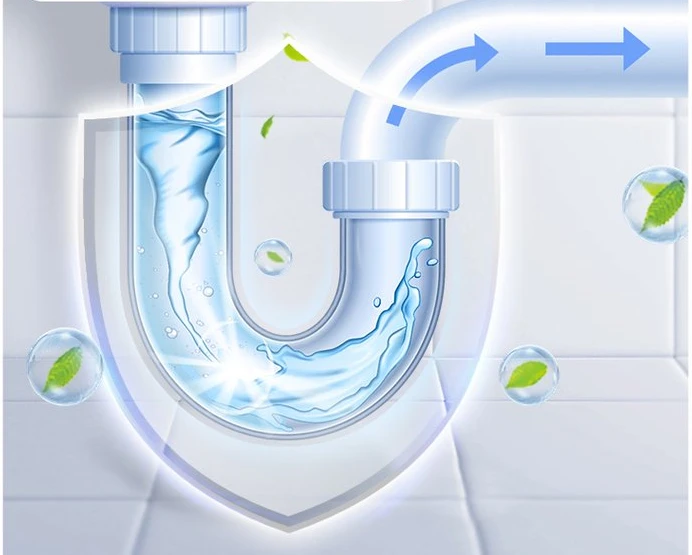
Alternative Methods to Dissolve Hair in Clogged Drains: Beyond Drain Cleaners
While drain cleaners are a common solution for hair clogs, there are also several alternative methods that can be used to dissolve hair and unclog drains. These methods are often more natural, cost-effective, and safer than commercial drain cleaners, making them a great option for those who prefer to avoid harsh chemicals.
Baking Soda and Vinegar: A Natural Drain Cleaner Alternative
Baking soda and vinegar are two common household ingredients that can be used to create a natural drain cleaner. This mixture works by creating a chemical reaction that produces carbon dioxide gas, which helps to break down hair and other organic matter in the drain.
To use this method, start by pouring ½ cup of baking soda into the clogged drain. Then, slowly pour ½ cup of white vinegar into the drain. The baking soda and vinegar will react immediately, producing a fizzing sound and bubbles. Let the mixture sit in the drain for 15 to 20 minutes, allowing the fizz to break down the hair clog.
After the waiting time, pour a pot of boiling water into the drain to flush out the dissolved hair and any remaining baking soda and vinegar. Boiling water helps to further break down the hair and clear the drain. This method is safe to use on all types of pipes and is an effective way to remove mild to moderate hair clogs.
However, it's important to note that this method may not be as effective for severe hair clogs. If the clog persists after using baking soda and vinegar, you may need to try a commercial drain cleaner or a mechanical method such as a plunger or a drain snake.
Plungers and Drain Snakes: Mechanical Hair Clog Removal
Plungers and drain snakes are mechanical tools that can be used to remove hair clogs from drains. These tools work by physically dislodging the clog, allowing water to flow freely through the drain.
A plunger is a simple tool that uses suction to dislodge clogs. To use a plunger on a hair-clogged drain, start by filling the sink or tub with a small amount of water, enough to cover the rubber cup of the plunger. Place the plunger over the drain, ensuring a tight seal, and then push and pull the plunger up and down vigorously. This creates suction that can dislodge the hair clog. Repeat this process several times until the water starts to drain.
A drain snake, also known as a plumber's snake, is a long, flexible wire that can be inserted into the drain to break up or remove the clog. To use a drain snake, insert the wire into the drain until you feel resistance, which indicates that you've reached the clog. Then, twist the wire clockwise and counterclockwise while pushing it forward to break up the clog. Once the clog is broken up, pull the wire out of the drain, removing any hair or debris that is attached to it. Finally, pour a pot of boiling water into the drain to flush out any remaining debris.
Plungers and drain snakes are safe to use on all types of pipes and are effective for removing both mild and severe hair clogs. They are also a cost-effective option, as they can be reused multiple times. However, using a drain snake requires some skill and patience, and it's important to be careful not to damage the pipes while inserting or twisting the wire.
Preventing Hair Clogs: Reducing the Need for Drain Cleaners
Preventing hair clogs is much easier than removing them. By taking a few simple steps, you can reduce the amount of hair that enters your drains and prevent clogs from forming in the first place. This will save you time, money, and the hassle of dealing with clogged drains.
Installing Drain Covers: Catching Hair Before It Enters the Drain
One of the most effective ways to prevent hair clogs is to install drain covers in your bathroom sink, shower, and bathtub. Drain covers are small, mesh screens that fit over the drain, catching hair and other debris before it can enter the pipes. They are easy to install and can be purchased at most hardware stores or online.
To use a drain cover, simply place it over the drain, ensuring that it fits securely. After each use, remove the drain cover and clean off any hair or debris that has accumulated on it. This will prevent the hair from building up in the drain and causing clogs. Drain covers are available in a variety of sizes and styles, so you can choose one that fits your drain and matches your bathroom decor.
Regular Drain Maintenance: Keeping Drains Clear
In addition to installing drain covers, regular drain maintenance can help prevent hair clogs. This includes flushing your drains with hot water on a regular basis, which helps to dissolve any hair or soap scum that may be starting to accumulate in the pipes. You can also use an enzyme-based drain cleaner once a month to break down any organic matter that has built up in the drain, preventing clogs from forming.
Another way to maintain your drains is to avoid pouring certain substances down them. For example, avoid pouring grease, oil, or fat down the drain, as these substances can solidify and combine with hair to form stubborn clogs. Also, avoid flushing items such as hairbrushes, combs, or cotton balls down the drain, as these can get stuck and cause clogs.
Finally, if you notice that your drain is draining slowly, address the problem immediately. This may be a sign that a hair clog is starting to form. You can use a plunger or a natural drain cleaner such as baking soda and vinegar to clear the clog before it becomes more severe.
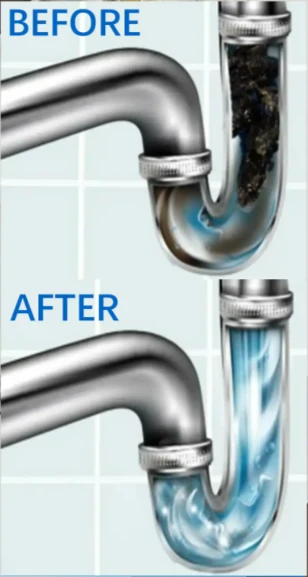
Choosing the Right Solution for Hair-Clogged Drains
When it comes to dissolving hair in a clogged drain, there are a variety of options available, from commercial drain cleaners to natural homemade remedies and mechanical tools. The right solution for you will depend on the severity of the clog, the type of pipes you have, your personal preferences, and your budget.
Commercial drain cleaners, such as chemical-based and enzyme-based ones, are effective for removing hair clogs, but they require careful use to ensure safety and avoid damage to pipes. Chemical-based drain cleaners are fast-acting but corrosive, while enzyme-based ones are eco-friendly but slower-acting.
Alternative methods such as baking soda and vinegar, plungers, and drain snakes are more natural, cost-effective, and safer, making them a great option for mild to moderate hair clogs. However, they may not be as effective for severe clogs.
Preventing hair clogs is the best way to avoid dealing with the hassle of unclogging drains. By installing drain covers, performing regular drain maintenance, and avoiding pouring harmful substances down the drain, you can keep your drains flowing smoothly and reduce the need for drain cleaners.
No matter which method you choose, it's important to follow the instructions carefully and take the necessary safety precautions. If you're unsure about how to unclog your drain or if the clog persists after trying multiple methods, it's always best to call a professional plumber for assistance. With the right solution and proper maintenance, you can keep your drains free of hair clogs and enjoy a hassle-free plumbing system.