

The Science of Heavy Grease and Oil Dissolution
Why Heavy Grease Resists Ordinary Cleaners
Heavy grease and oil are complex mixtures of hydrocarbons, lipids, and organic compounds characterized by low water solubility, which makes plain water and mild household cleaners ineffective for their removal. Unlike light oils that can disperse or evaporate over time, heavy grease-commonly found in industrial machinery, kitchen exhausts, automotive engines, and manufacturing equipment-has high viscosity. It adheres tightly to both porous and non-porous surfaces, forming a thick, stubborn layer that is hard to dislodge. This strong adhesion stems from the hydrophobic nature of grease molecules, which repel water and form tight bonds with materials like metal, concrete, and plastic. To dissolve heavy grease effectively, a cleaning solution must overcome this hydrophobic barrier, break down the chemical bonds within the grease, and lift its particles away from the surface-something ordinary cleaners lack the formulation to achieve, making heavy oil cleaning agents the necessary solution.
Core Principles Behind Grease Dissolution
The dissolution of heavy grease and oil relies on three key chemical principles: emulsification, saponification, and solubilization-all of which are optimized in heavy oil cleaning agents. Emulsification breaks large grease droplets into tiny, microscopic particles, suspending them in a liquid (usually water) to prevent re-adhesion. Saponification is a chemical reaction between the cleaning agent and fatty acids in grease, producing soap-like compounds that are soluble in water. Solubilization occurs when the agent's molecules surround grease particles, forming a soluble complex. While ordinary cleaners may utilize one or two of these principles weakly, heavy oil cleaning agents combine all three with high-concentration active ingredients, ensuring they penetrate thick grease layers and dissolve even the most stubborn deposits efficiently without damaging surfaces.
Heavy Oil Cleaning Agents: Formulation and Advantages
What Defines a High-Quality Heavy Oil Cleaning Agent?
Heavy oil cleaning agents are specialized formulations designed explicitly to target and dissolve heavy grease, oil, and lubricant deposits-distinguishing them from generic cleaning products. They are crafted with a balance of active ingredients that work synergistically to break down grease's chemical structure, emulsify its particles, and lift them from surfaces. Available in forms like liquids, gels, sprays, and powders, each type is tailored to specific use cases: gels prevent runoff on vertical surfaces, sprays reach large or hard-to-access areas, and powders are ideal for concentrated spot cleaning. Unlike mild household cleaners, they maintain effectiveness across a range of temperatures and water hardness levels, making them versatile for industrial, commercial, and residential use.

Key Active Ingredients in Heavy Oil Cleaning Agents
The effectiveness of heavy oil cleaning agents comes from their carefully selected active ingredients, each serving a critical role in grease dissolution. Surfactants are the backbone, reducing surface tension to bridge the gap between hydrophilic (water-based) and hydrophobic (grease-based) substances. Solvents directly dissolve grease molecules, while alkaline builders enhance saponification. Chelating agents bind metal ions in hard water to prevent interference, and corrosion inhibitors protect metal surfaces. These ingredients are combined in precise concentrations-higher than in ordinary cleaners-to ensure they tackle thick, aged grease deposits that other products cannot break down.
Surfactants: The Emulsifying Core
Surfactants are indispensable in heavy oil cleaning agents, as they enable water and grease to mix, a key step in dissolution. Each surfactant molecule has a hydrophilic "head" that attracts water and a hydrophobic "tail" that attaches to grease molecules. When applied to a grease-stained surface, the tails embed themselves in the grease layer, while the heads remain in the water-based solution. This breaks the grease into tiny droplets that suspend in the solution, preventing re-adhesion and allowing for easy rinsing. Heavy oil cleaning agents use a blend of anionic and nonionic surfactants: anionic surfactants target organic grease, while nonionic surfactants work in hard water and protect sensitive surfaces, ensuring consistent performance.
Solvents and Alkaline Builders: Boosting Dissolution Power
Solvents in heavy oil cleaning agents directly dissolve grease molecules, accelerating the breakdown process. Common solvents include aliphatic hydrocarbons, terpenes, and glycol ethers-chosen for their ability to dissolve heavy hydrocarbons without damaging surfaces. Alkaline builders, such as sodium hydroxide or potassium hydroxide, enhance saponification by reacting with fatty acids in grease to form soluble soap-like compounds. This reaction strengthens the agent's ability to break down organic grease, making it more effective on deposits from cooking oils, lubricants, and industrial fats. Together, solvents and alkaline builders amplify the agent's grease-dissolving power, surpassing the capabilities of ordinary cleaners.

Practical Applications of Heavy Oil Cleaning Agents
Industrial and Commercial Use Cases
In industrial settings, heavy oil cleaning agents are essential for maintaining machinery performance and safety. They remove grease buildup from engine parts, conveyor belts, and manufacturing equipment, preventing overheating, wear, and breakdowns-extending machinery lifespan. In commercial kitchens, they clean exhaust hoods, deep fryers, and grease traps, eliminating fire hazards and ensuring compliance with hygiene regulations. Automotive workshops rely on them to dissolve engine oil, transmission fluid, and grease from tools and vehicle parts, streamlining maintenance and improving efficiency. These agents are formulated for large-scale, heavy-duty use, saving time and labor compared to manual scrubbing or ineffective cleaners.
Residential and Everyday Applications
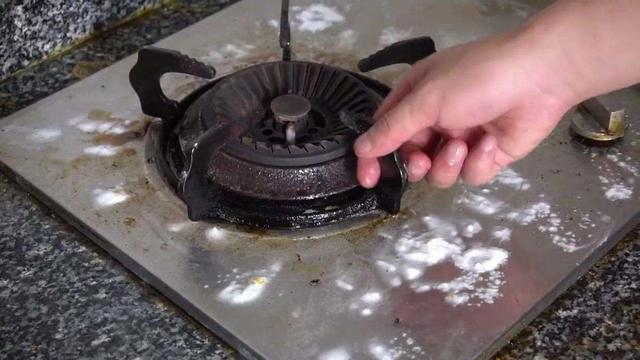
Heavy oil cleaning agents are also valuable for residential use, tackling tough grease that household cleaners cannot. They effectively clean barbecue grills, removing baked-on grease and food residue with minimal scrubbing. In kitchens, they dissolve grease from stovetops, oven interiors, and drain pipes clogged by cooking oil, restoring surfaces and preventing clogs. For garages, they eliminate grease stains from concrete floors and clean grease-covered tools, restoring them to usable condition. Residential formulations are milder than industrial ones but retain core grease-dissolving power, safe for home use while delivering reliable results for stubborn stains.
Choosing the Right Heavy Oil Cleaning Agent
Selecting the right heavy oil cleaning agent depends on three key factors: the surface to be cleaned, the type and thickness of grease, and the intended use case. For metal surfaces (e.g., machinery, tools), choose agents with corrosion inhibitors to prevent damage. For porous materials like concrete or brick, opt for gel formulations that penetrate deeply without runoff. Thicker, aged grease deposits require higher-concentration solvents, while light to moderate grease may work with milder, eco-friendly options. Eco-friendly variants use plant-based surfactants and biodegradable ingredients, ideal for those prioritizing sustainability. Always follow manufacturer instructions for dilution, application time, and rinsing to ensure safe, effective use and maximum grease dissolution.