

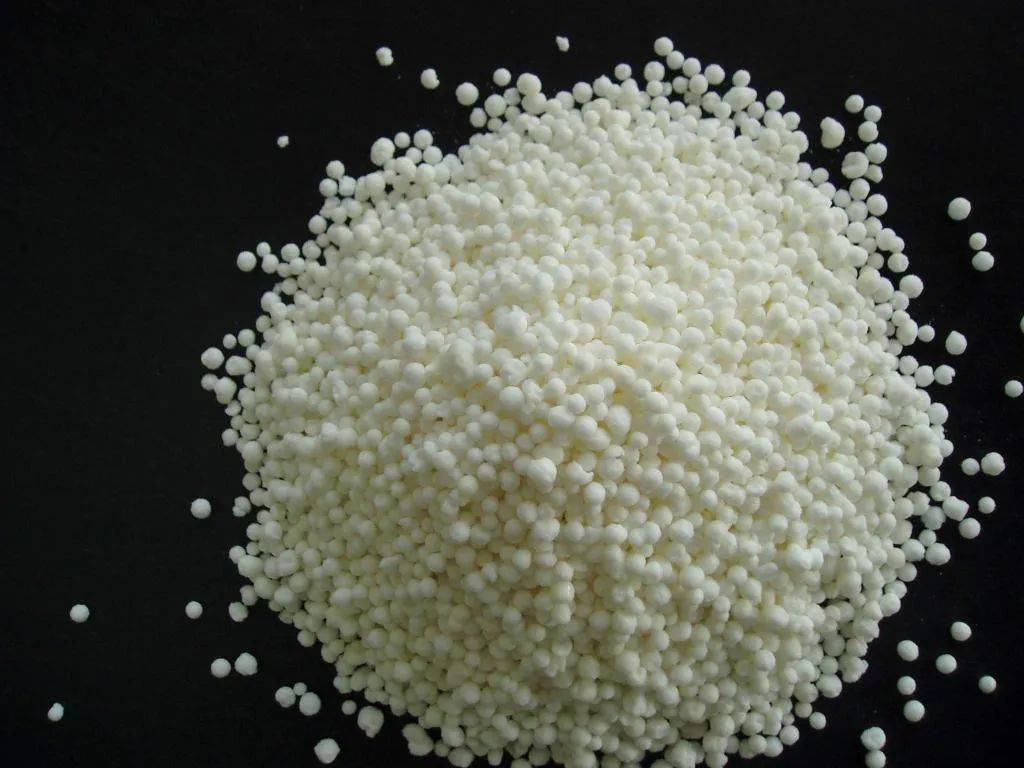
Calcium nitrate, a compound with the chemical formula Ca(NO₃)₂, plays a significant role in the field of concrete technology. Its application in concrete can bring about various effects, influencing the properties and performance of concrete in multiple aspects. This article will delve into the specific impacts of calcium nitrate on concrete from several key perspectives.
Accelerating Hardening and Enhancing Early Strength
One of the most prom
inen roles of calcium nitrate in concrete is its ability to accelerate the hardening process and enhance the early strength of concrete. Concrete gains strength through the hydration reaction of cement, which is a complex chemical process. Calcium nitrate can act as an accelerator in this process.
When calcium nitrate is added to the concrete mixture, it dissociates into calcium ions (Ca²⁺) and nitrate ions (NO₃⁻) in the aqueous phase. The calcium ions can increase the concentration of calcium in the pore solution of the concrete. This higher calcium ion concentration promotes the nucleation and growth of hydration products such as calcium silicate hydrate (C-S-H) gels and calcium hydroxide (Ca(OH)₂). As a result, the formation of these hydration products is accelerated, leading to a faster development of the concrete's structural framework.
In the early stages of concrete curing, typically within the first few days, the addition of calcium nitrate can significantly shorten the setting time. This means that the concrete transitions from a plastic state to a rigid state more quickly, which is particularly beneficial in construction projects where time is of the essence. For example, in road repair or bridge construction, being able to reduce the setting time can minimize traffic disruptions and improve construction efficiency.
Moreover, the enhanced early strength provided by calcium nitrate allows the concrete to withstand earlier loading. This is crucial in situations where formwork needs to be removed quickly or when the structure needs to be put into use at an earlier stage. Studies have shown that adding an appropriate amount of calcium nitrate can increase the early strength of concrete by 30% to 50% compared to plain concrete without accelerators, depending on factors such as the dosage, cement type, and curing conditions.
However, it is important to note that while calcium nitrate accelerates early strength development, its effect on the ultimate strength of concrete is not always straightforward. In some cases, excessive dosage of calcium nitrate may lead to a slight reduction in the ultimate strength, as the rapid formation of hydration products may result in a less dense microstructure in the long term. Therefore, proper dosage control is essential to achieve the desired balance between early strength and long-term performance.
Anti - Freezing and Preventing Frost Damage
Concrete is highly susceptible to frost damage when exposed to freezing temperatures during the curing process. The freezing of water in the concrete pores can cause expansion, leading to the formation of cracks and deterioration of the concrete structure. Calcium nitrate can play a vital role in preventing such frost damage by acting as an anti - freezing agent.
The nitrate ions in calcium nitrate have the property of lowering the freezing point of the aqueous solution in the concrete. When calcium nitrate is added, it depresses the freezing point of the pore water, reducing the likelihood of water freezing at low temperatures. This allows the concrete to cure normally even in cold weather conditions, as the hydration reaction can continue without being interrupted by the freezing of water.
In cold regions or during winter construction, the use of calcium nitrate as an anti - freezing admixture can significantly improve the frost resistance of concrete during the early curing stage. It helps to ensure that the concrete reaches a sufficient level of strength before being exposed to severe freezing conditions, thereby minimizing the risk of frost damage.
However, the effectiveness of calcium nitrate as an anti - freezing agent is also dependent on the dosage and the temperature range. At extremely low temperatures, even with the addition of calcium nitrate, the freezing point depression may not be sufficient to prevent all water from freezing. In such cases, additional measures such as heating or using other types of anti - freezing admixtures in combination with calcium nitrate may be required.

Enhancing Durability
Durability is a critical factor in the service life of concrete structures. Calcium nitrate can contribute to enhancing the durability of concrete in several ways.
First, as mentioned earlier, calcium nitrate accelerates the hydration process, leading to the formation of a more compact microstructure in the early stages. A denser microstructure reduces the permeability of concrete, which is crucial for preventing the ingress of harmful substances such as chlorides, sulfates, and carbon dioxide. Reduced permeability can significantly delay the onset of corrosion of reinforcing steel and chemical attacks on the concrete matrix, thereby improving the overall durability of the structure.
Second, the nitrate ions in calcium nitrate have been shown to have a protective effect on reinforcing steel in concrete. In the presence of chlorides, which are a major cause of steel corrosion, nitrate ions can act as an oxidizing agent and help to maintain the passive oxide film on the surface of the steel. This passive film is essential for preventing corrosion. By stabilizing the passive film, calcium nitrate can inhibit the corrosion of reinforcing steel, even in environments with high chloride concentrations, such as coastal areas or areas where de - icing salts are used.
Furthermore, calcium nitrate can also improve the resistance of concrete to other forms of degradation, such as alkali - aggregate reaction (AAR). AAR is a chemical reaction between the alkali in the cement paste and certain reactive aggregates, which can cause expansion and cracking of the concrete. Although calcium nitrate is not a direct inhibitor of AAR, the denser microstructure formed due to its addition can reduce the availability of moisture and alkalis, thereby mitigating the severity of the reaction.
Other Effects
In addition to the above main effects, calcium nitrate can also have some other impacts on concrete.
For example, it can improve the workability of the concrete mixture to a certain extent. The dissociation of calcium nitrate in water can provide some lubricating effect, making the concrete more fluid and easier to place and compact.
However, the effect of calcium nitrate on workability is relatively limited compared to other types of admixtures such as superplasticizers. Therefore, in most cases, calcium nitrate is used in combination with other admixtures to achieve the desired workability and other performance requirements.
Another aspect is that calcium nitrate is a water - soluble compound, and its addition does not introduce any harmful impurities into the concrete. This makes it a relatively safe and environmentally friendly option compared to some other types of accelerators or admixtures that may contain toxic or harmful substances.
Considerations for Application
While calcium nitrate offers numerous benefits to concrete, there are several important considerations to keep in mind when using it in construction projects.
Dosage Control
As mentioned earlier, the dosage of calcium nitrate is crucial. Excessive dosage can lead to negative effects such as reduced ultimate strength, increased shrinkage, and even corrosion of reinforcing steel in some cases. The optimal dosage depends on various factors, including the type and brand of cement, the aggregate characteristics, the desired early strength gain, and the curing conditions. It is recommended to conduct laboratory tests or follow the guidelines provided by the admixture manufacturer to determine the appropriate dosage for a specific project.
Compatibility with Other Admixtures
Calcium nitrate may interact with other admixtures used in the concrete mixture, such as superplasticizers, air - entraining agents, and retarders. It is essential to ensure that the admixtures are compatible with each other to avoid adverse effects on the concrete's properties. For example, some superplasticizers may have a retarding effect, which could counteract the accelerating effect of calcium nitrate. Therefore, proper compatibility testing should be carried out before large - scale application.
Curing Conditions
Although calcium nitrate can improve the performance of concrete in cold weather, proper curing conditions are still essential for the overall quality of the concrete. Adequate moisture and temperature control during the curing period are necessary to ensure complete hydration and the development of desired properties. In hot weather, for example, measures such as moist curing or using curing compounds may be required to prevent excessive evaporation of water and cracking of the concrete.
Environmental and Safety Considerations
Calcium nitrate is a non - toxic compound, but it is a strong oxidizer. Therefore, it should be stored and handled with care to avoid contact with organic materials or reducing agents, which could pose a fire or explosion hazard. In addition, from an environmental perspective, although calcium nitrate is relatively safe, it is important to ensure that any runoff from construction sites does not contaminate water sources, as excessive nitrates in water can have negative impacts on aquatic life and human health.

Conclusion
Calcium nitrate is a versatile admixture that can have significant effects on concrete. It accelerates the hardening process, enhances early strength, provides anti - freezing properties, improves durability, and has some positive impacts on workability. However, its successful application requires careful consideration of dosage control, compatibility with other admixtures, curing conditions, and environmental and safety aspects.
By understanding the mechanisms behind the effects of calcium nitrate on concrete and following proper application guidelines, engineers and contractors can leverage its benefits to produce high - performance concrete that meets the requirements of various construction projects, especially in challenging environments such as cold climates or those with high durability demands. As the construction industry continues to evolve, the rational use of admixtures like calcium nitrate will play an increasingly important role in enhancing the efficiency, quality, and sustainability of concrete structures.