

Understand the coolant
The Concept of Coolant in a Car
A car, a complex mechanical marvel, relies on numerous components to function seamlessly. Among these, coolant stands out as a crucial element within the vehicle's cooling system. Coolant, often referred to as antifreeze, is a specialized liquid mixture designed to circulate through the engine and associated cooling components. It serves as a heat transfer medium, playing a fundamental role in maintaining the optimal operating temperature of the engine.
Composed mainly of a base fluid, such as ethylene glycol or propylene glycol, and a blend of additives, coolant is formulated to possess unique properties. These properties enable it to handle the extreme conditions within an engine, from the intense heat generated during operation to the freezing temperatures experienced in cold climates. The base fluid provides the primary heat - absorbing and heat - dissipating capabilities, while the additives enhance its performance in various ways, such as preventing corrosion, inhibiting the growth of scale and deposits, and adjusting the freezing and boiling points.
The Significance of Understanding Coolant's Functions
For car owners, understanding the functions of coolant is not just a matter of mechanical knowledge but a necessity for proper vehicle maintenance. Firstly, it directly impacts the lifespan of the engine. An engine running at an optimal temperature experiences less wear and tear on its components. When coolant functions effectively, it prevents the engine from overheating, which can lead to warped cylinder heads, damaged gaskets, and even seized pistons. By maintaining the correct temperature, the engine's moving parts can operate smoothly, reducing friction and extending the overall life of the engine.
Secondly, the performance of the car is closely tied to the coolant's functionality. A well - cooled engine can deliver consistent power output. In contrast, an overheating engine may experience a loss of power, reduced fuel efficiency, and rough idling. For example, in high - performance cars or during long - distance driving, where the engine is under significant stress, proper coolant function is essential to ensure that the engine can perform at its best.
Moreover, being aware of coolant functions helps in early detection of potential problems. Changes in the coolant's color, smell, or level can be indicators of underlying issues in the cooling system, such as leaks, a failing water pump, or a clogged radiator. Regularly checking and understanding the condition of the coolant can allow car owners to address these problems promptly, preventing more costly repairs down the line. In essence, understanding coolant is a key aspect of responsible car ownership, contributing to the vehicle's reliability, performance, and long - term value.
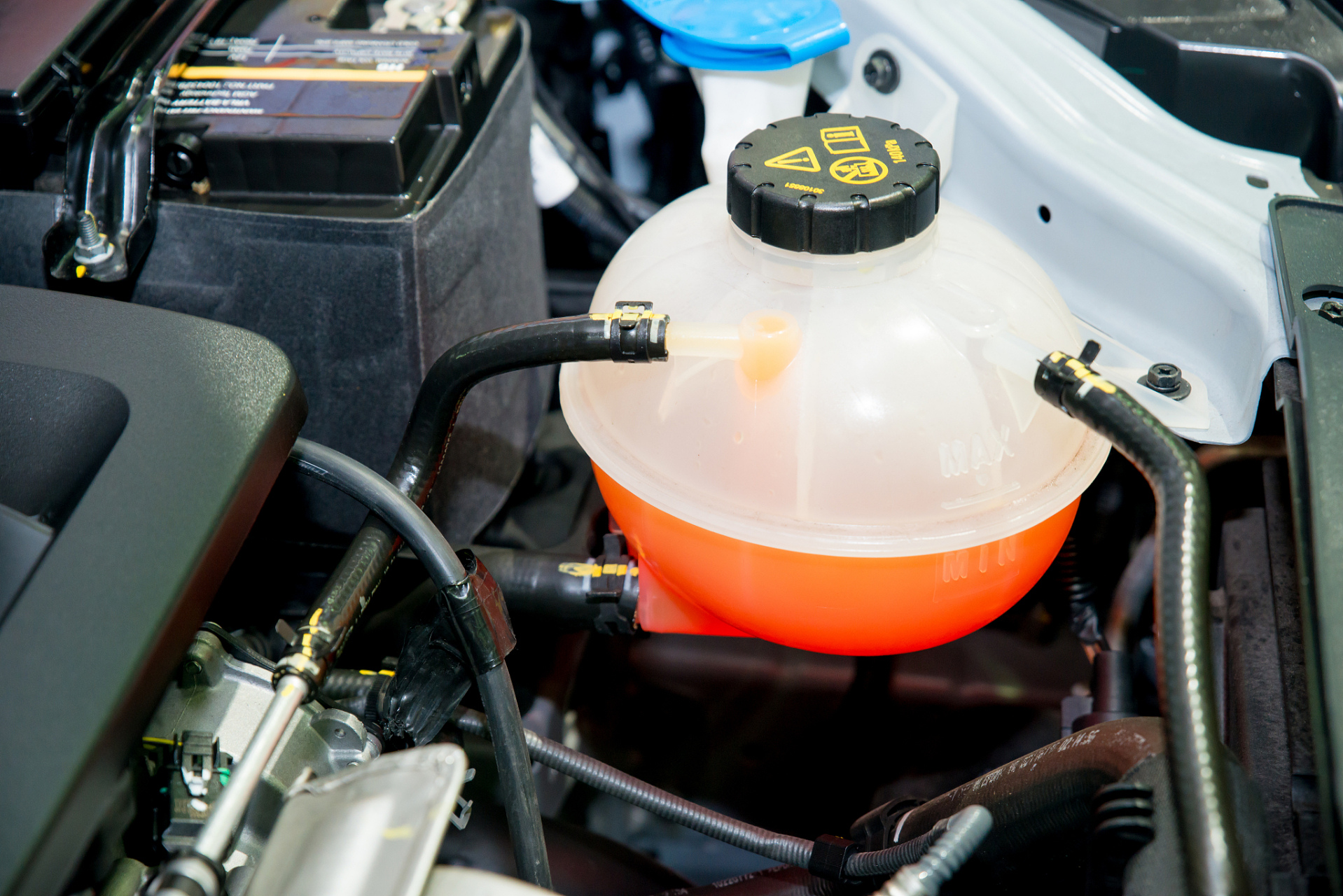
The Composition and Types of Coolant
Main Components of Coolant
Ethylene Glycol and Propylene Glycol
Ethylene glycol and propylene glycol are the primary base fluids in most coolants, each with distinct properties that contribute to the coolant's overall function.
Ethylene glycol is a colorless, odorless, and sweet - tasting liquid. It has a high boiling point, typically around 197.3°C (387.1°F) at standard atmospheric pressure, and a low freezing point. When mixed with water in appropriate ratios, it can significantly lower the freezing point of the coolant mixture. For example, a 50/50 mixture of ethylene glycol and water has a freezing point of around - 34°C (-29.2°F). This property makes it highly effective in preventing the coolant from freezing in cold weather, which could otherwise cause damage to the engine block, radiator, and other components due to the expansion of ice.
In terms of heat - transfer capabilities, ethylene glycol has a relatively high specific heat capacity. Specific heat capacity is the amount of heat energy required to raise the temperature of a unit mass of a substance by one degree Celsius. With a high specific heat capacity, ethylene glycol can absorb a large amount of heat from the engine without a significant increase in its own temperature. This allows it to efficiently transfer heat away from the engine to the radiator, where the heat is dissipated into the surrounding air. However, ethylene glycol is toxic. If ingested, it can cause serious health problems, including kidney failure and even death. Therefore, proper handling and storage are crucial when dealing with ethylene - glycol - based coolants.
Propylene glycol, on the other hand, is also used as a base fluid in coolant, especially in applications where toxicity is a major concern. It has a similar boiling point to ethylene glycol, around 188°C (370.4°F), and can also lower the freezing point of water when mixed with it. A 50/50 mixture of propylene glycol and water has a freezing point of approximately - 36°C (-32.8°F). Propylene glycol is considered to be less toxic than ethylene glycol, making it a safer option in some situations, such as in systems where there is a risk of leakage and potential exposure to humans or animals, like in certain industrial or residential heating - cooling systems. However, propylene glycol - based coolants may be more expensive than their ethylene - glycol counterparts, and they may not be as efficient in heat transfer as ethylene glycol in some cases.
Additives in Coolant
Coolant contains a variety of additives, each playing a vital role in enhancing its performance and protecting the engine's cooling system.
One of the most important types of additives is the corrosion inhibitor or rust preventer. Engines are made up of multiple metal components, such as iron, aluminum, copper, and brass, which are all in contact with the coolant. Without proper corrosion protection, these metals can react with the coolant over time, especially in the presence of heat and moisture. Corrosion inhibitors work by forming a thin, protective film on the surface of the metal components. For example, organic acid - based inhibitors can bond to the metal surface, creating a barrier that prevents oxygen and other corrosive substances from reaching the metal. This helps to prevent rusting, pitting, and other forms of corrosion, thus extending the lifespan of the engine and the cooling system components.
Another crucial additive is the antifreeze additive, which is closely related to the base glycols but also includes substances that further adjust the freezing and boiling points. In addition to the basic function of the glycols, these additives fine - tune the temperature - resistance properties of the coolant. They ensure that the coolant remains in a liquid state over a wide range of temperatures, both extremely cold and very hot. For instance, some additives can raise the boiling point of the coolant even higher than the base glycol - water mixture, allowing the engine to operate at higher temperatures without the coolant boiling over.
pH buffers are also added to coolant. The chemical reactions that occur within the engine and the cooling system can cause the pH of the coolant to change over time. If the pH becomes too acidic or too alkaline, it can accelerate corrosion and other problems. pH buffers work to maintain the pH of the coolant within a safe and optimal range, usually around a slightly alkaline level. They do this by reacting with acidic or alkaline substances that may be produced during the engine's operation, neutralizing them and keeping the pH stable.
Antifoam agents are essential additives as well. When the coolant circulates through the engine and the cooling system, it can become aerated, especially due to the high - speed movement and the presence of pumps and other mechanical components. Aeration can lead to the formation of bubbles in the coolant. These bubbles can disrupt the heat - transfer process because they act as insulators, reducing the coolant's ability to absorb and transfer heat effectively. Antifoam agents, such as silicone - based compounds, work by reducing the surface tension of the coolant, which prevents the formation of bubbles or causes existing bubbles to break down quickly. This ensures that the coolant remains in a homogeneous liquid state and can perform its heat - transfer function efficiently.
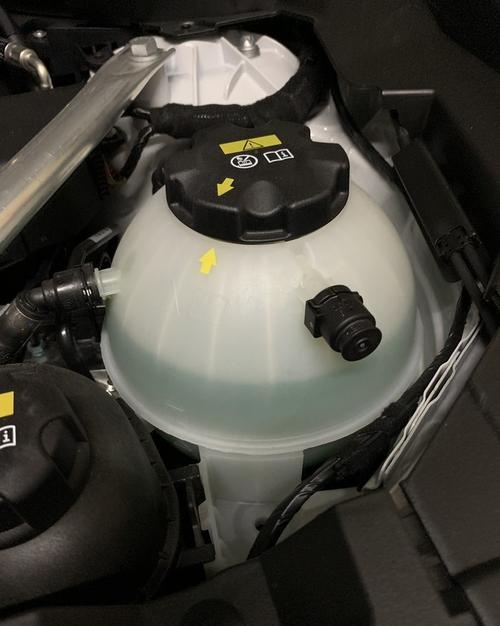
In some coolants, dyes are added as well. These dyes serve a practical purpose of making it easy to detect leaks in the cooling system. Coolant leaks can be difficult to spot, especially in hard - to - reach areas of the engine compartment. The brightly colored dyes in the coolant make it easier to identify the source of a leak, whether it's a small drip or a more significant flow. Different colors are often used by different manufacturers or for different types of coolants, which can also help in differentiating between various coolant formulations.
The Primary Function of Coolant: Heat Transfer
How Coolant Absorbs Heat in the Engine
Inside the engine, coolant plays a crucial role in absorbing heat from the engine's high - temperature components. The engine is a complex assembly where a series of combustion processes occur. During these processes, the combustion chambers, cylinder walls, and cylinder heads experience extremely high temperatures.
The coolant is circulated through a network of passages, often referred to as water jackets, which are strategically designed within the engine block and cylinder heads. These water jackets surround the areas that generate the most heat. As the coolant flows through these passages, it comes into direct contact with the hot metal surfaces of the engine components.
Heat transfer occurs through a process called conduction. The high - temperature engine components transfer heat energy to the coolant molecules in contact with them. Since the coolant has a lower temperature than the engine parts, heat naturally flows from the hotter engine components to the cooler coolant. For example, the cylinder walls, which can reach temperatures well above 200°C (392°F) during engine operation, transfer heat to the coolant flowing through the adjacent water jackets. The coolant's ability to absorb this heat is enhanced by its relatively high specific heat capacity. As mentioned earlier, ethylene glycol - or propylene glycol - based coolants can absorb a significant amount of heat without a drastic increase in their own temperature. This allows the coolant to continuously remove heat from the engine components, preventing them from overheating.
The circulation of the coolant is facilitated by the water pump. The water pump creates a pressure difference that forces the coolant to flow through the engine's water jackets. This continuous flow ensures that fresh, relatively cool coolant is constantly available to absorb heat from the engine components, maintaining an efficient heat - absorption process. Without this continuous circulation, the coolant would quickly reach the same temperature as the engine components, and heat transfer would cease to be effective.
The Heat - Transfer Process to the Radiator
Once the coolant has absorbed heat from the engine, it needs to release this heat to the surrounding environment to maintain its heat - absorbing capacity. This is where the radiator comes into play. The hot coolant, now carrying the heat from the engine, is pumped out of the engine and into the radiator.
The radiator is a heat - exchanger device with a large surface area. It consists of a series of tubes and fins. The hot coolant enters the radiator through an inlet tank and then flows through the tubes. As the coolant flows through these tubes, air passes over the fins. The fins are designed to increase the surface area in contact with the air, enhancing heat transfer.
The heat transfer from the coolant to the air is a combination of conduction and convection. First, the heat is conducted from the hot coolant inside the tubes to the outer surface of the tubes. Then, through convection, the heat is transferred from the tube surface to the air flowing over the fins. The air can be either the natural air flow created by the vehicle's forward motion (when the vehicle is moving) or the forced air flow generated by the radiator fan (when the vehicle is stationary or the natural air flow is insufficient).
For instance, when a car is driving on the highway, the high - speed air flowing through the radiator helps to quickly dissipate the heat from the coolant. The fins on the radiator act like small heat - dissipating surfaces, allowing the heat to be transferred to the air more efficiently. In situations where the vehicle is idling or moving slowly, the radiator fan, which is usually electrically powered, kicks in. The fan blows air over the radiator fins, increasing the air velocity and thus enhancing the convective heat - transfer rate. This ensures that the coolant can release its heat effectively, even when there is no significant natural air flow.
After the heat is transferred to the air, the now - cooled coolant exits the radiator through an outlet tank and is pumped back into the engine to repeat the heat - absorption process. This continuous cycle of heat absorption in the engine and heat dissipation in the radiator is essential for maintaining the engine's temperature within the optimal range.
The Role of Coolant in Maintaining Optimal Engine Temperature
Maintaining the optimal engine temperature is of utmost importance for the proper functioning and longevity of the engine, and coolant plays a central role in achieving this. The optimal operating temperature of most car engines typically ranges from around 80°C to 105°C (176°F to 221°F), depending on the engine design and the vehicle manufacturer's specifications.
When the engine operates within this optimal temperature range, several key benefits are realized. Firstly, the engine's fuel - combustion process is optimized. At the right temperature, the fuel - air mixture in the combustion chambers ignites and burns efficiently, resulting in maximum power output and better fuel economy. For example, a well - cooled engine can convert a higher percentage of the fuel's chemical energy into mechanical energy, reducing fuel consumption and minimizing exhaust emissions.
Secondly, the engine's lubrication system functions properly. Engine oil has the right viscosity within the optimal temperature range, ensuring that all the moving parts, such as pistons, crankshafts, and camshafts, are well - lubricated. This reduces friction between the parts, minimizing wear and tear and extending the engine's lifespan.
However, if the engine temperature rises too high, several serious problems can occur. Overheating can cause the engine oil to break down and lose its lubricating properties. As a result, the engine parts experience increased friction, leading to excessive wear and potential damage. High temperatures can also cause the metal components of the engine to expand. In extreme cases, this expansion can lead to a phenomenon known as "seizing," where the pistons get stuck in the cylinders, causing the engine to stop working completely. Additionally, overheating can damage engine seals and gaskets, leading to coolant and oil leaks.
On the other hand, if the engine temperature is too low, it also has negative consequences. Cold engines have a harder time vaporizing the fuel, leading to incomplete combustion. This not only reduces engine power but also increases fuel consumption and emissions. Cold engine oil is also thicker, which means it takes longer to reach all the moving parts, resulting in increased friction during start - up and early operation. Over time, this can cause premature wear on the engine components.
In summary, coolant acts as a temperature regulator for the engine. By efficiently absorbing heat from the engine and dissipating it in the radiator, it ensures that the engine operates within the optimal temperature range, protecting the engine from the harmful effects of both overheating and under - heating.
Coolant's Anti - Freeze Function
The Principle of Anti - Freeze
The anti - freeze function of coolant is one of its most critical properties, especially in regions with cold climates. This function is mainly achieved through the use of glycol - based substances, such as ethylene glycol and propylene glycol, which are the primary components of most coolants.
The principle behind the anti - freeze property lies in the concept of freezing point depression. Pure water freezes at 0°C (32°F). However, when a solute, like ethylene glycol or propylene glycol, is added to water, it disrupts the formation of ice crystals. These glycols have a lower freezing point than water, and when mixed with water in appropriate ratios, they lower the overall freezing point of the coolant mixture.
For example, in a 50/50 mixture of ethylene glycol and water, the freezing point of the resulting coolant is approximately - 34°C (-29.2°F). This is because the glycol molecules interfere with the regular arrangement of water molecules as the temperature drops. In pure water, as the temperature approaches 0°C, water molecules start to form a hexagonal lattice structure, which is the characteristic crystal structure of ice. But when glycol is present, the glycol molecules get in the way of the water molecules, preventing them from easily arranging themselves into the ice - crystal lattice. The glycol molecules break up the hydrogen - bonding network of water, which is necessary for ice formation. As a result, the coolant can remain in a liquid state at much lower temperatures than pure water.
The amount of glycol in the coolant mixture directly affects the freezing point. A higher concentration of glycol will result in a lower freezing point. For extremely cold climates, where temperatures can drop well below - 34°C, a higher - concentration glycol - water mixture, such as a 60/40 or 70/30 glycol - water ratio, may be used. However, there are limits to how much glycol can be added. As the glycol concentration increases beyond a certain point, the coolant's heat - transfer efficiency may start to decline, and other issues, such as increased viscosity, may arise. So, the optimal ratio of glycol to water is carefully balanced to ensure both effective anti - freeze protection and efficient heat - transfer capabilities.
How Anti - Freeze Protects the Engine and Cooling System
If the coolant in a car's cooling system were to freeze, it would have catastrophic consequences for the engine and the entire cooling system. Water expands by about 9% when it freezes. In a closed - loop cooling system, this expansion can create enormous pressure.
The engine block, which is typically made of cast iron or aluminum, contains a network of passages (water jackets) through which the coolant circulates. When the coolant freezes in these passages, the expansion of the ice can cause the engine block to crack. A cracked engine block is a major and often expensive - to - repair problem. The cracks can allow coolant to leak into the engine's oil system, contaminating the oil and leading to further engine damage due to poor lubrication. In addition, the integrity of the engine's structure is compromised, which can affect its performance and reliability.
Radiators are also highly vulnerable to the effects of frozen coolant. Radiators are made of thin - walled metal (usually aluminum or copper - brass alloys) and are designed to efficiently transfer heat from the coolant to the air. When the coolant inside the radiator freezes, the expansion can rupture the radiator tubes or damage the fins. A damaged radiator can no longer effectively dissipate heat, leading to engine overheating. Repairing or replacing a radiator can be costly, and in the meantime, the vehicle may be rendered inoperable.
The hoses and other components of the cooling system, such as the water pump and thermostat housing, are also at risk. The freezing and expansion of the coolant can cause hoses to burst or become detached from their fittings. This results in coolant leakage, which not only reduces the effectiveness of the cooling system but also creates a mess under the hood. If the water pump is damaged due to the pressure from frozen coolant, it can no longer circulate the coolant properly, further exacerbating the overheating problem.
The anti - freeze function of coolant prevents all these potential disasters. By remaining in a liquid state even at low temperatures, the coolant can continue to circulate through the engine and cooling system, absorbing and transferring heat as normal. This ensures that the engine operates within a safe temperature range, protecting all the components of the engine and the cooling system from the destructive forces of freezing and the resulting expansion. Regularly checking and maintaining the proper coolant level and its anti - freeze properties (by testing the freezing point) are essential for preventing cold - weather - related engine and cooling - system failures.
Coolant's Anti - Corrosion and Lubrication Functions
Anti - Corrosion Function
Protecting Metal Components in the Cooling System
Cooling systems in cars are composed of a variety of metal components, and coolant plays a vital role in protecting these components from rust and corrosion. The engine block, often made of cast iron or aluminum, contains water jackets through which the coolant circulates. The cylinder heads, typically aluminum alloy in modern engines, are also in direct contact with the coolant. Additionally, the radiator, which is crucial for heat dissipation, may be made of aluminum or copper - brass alloys. The water pump, with its metal impeller and housing, and the various metal pipes and fittings in the cooling system are all susceptible to corrosion.
To prevent this, coolant contains a blend of rust preventers and corrosion inhibitors. These additives work in different ways to safeguard the metal components. Some inhibitors form a thin, protective film on the surface of the metals. For example, silicate - based inhibitors react with the metal surface to create a glass - like film. This film acts as a barrier, preventing oxygen and water, which are the main causes of corrosion, from reaching the metal. In the case of aluminum components, the film helps to maintain the integrity of the natural oxide layer that forms on the aluminum surface, further protecting it from corrosion.
Other inhibitors, such as organic acid - based inhibitors, work by chelating or binding to metal ions. This process removes the metal ions from the coolant, preventing them from participating in corrosion - promoting chemical reactions. By reducing the concentration of metal ions in the coolant, the likelihood of corrosion is significantly decreased.
The Chemical Reactions Involved in Anti - Corrosion
The anti - corrosion process involves several chemical reactions at the metal - coolant interface. When a metal is exposed to coolant, especially in the presence of oxygen and water, an electrochemical reaction can occur. For example, in the case of iron - containing metals like cast iron:
At the anode (the metal surface where oxidation occurs), iron atoms lose electrons:\(Fe \rightarrow Fe^{2 + }+ 2e^{-}\)
The electrons released at the anode can then travel through the metal to the cathode. At the cathode, oxygen and water react to form hydroxide ions:\(\frac{1}{2}O_{2}+H_{2}O + 2e^{-}\rightarrow 2OH^{-}\)
The ferrous ions (\(Fe^{2 + }\)) formed at the anode can further react with the hydroxide ions to form iron hydroxide:\(Fe^{2+}+ 2OH^{-}\rightarrow Fe(OH)_{2}\)
This iron hydroxide can be further oxidized to form rust (\(Fe_{2}O_{3}\cdot nH_{2}O\)).
However, when corrosion inhibitors are present in the coolant, they interfere with these reactions. For instance, some inhibitors react with the metal surface to form a passive layer. Organic acid - based inhibitors can react with the metal ions to form stable complexes. These complexes are less reactive and do not contribute to the corrosion process. Silicate - based inhibitors, as mentioned earlier, react with the metal surface to form a protective film. The chemical reactions involved in the formation of this film are complex and can involve the reaction of silicate ions with metal ions in the coolant and on the metal surface to create a stable, insoluble compound that adheres to the metal, providing long - term protection against corrosion. These anti - corrosion mechanisms ensure that the metal components in the cooling system remain in good condition, maintaining the efficiency and reliability of the cooling system over the lifespan of the vehicle.
Monitoring and Maintaining Coolant
Regular Coolant Level Checks
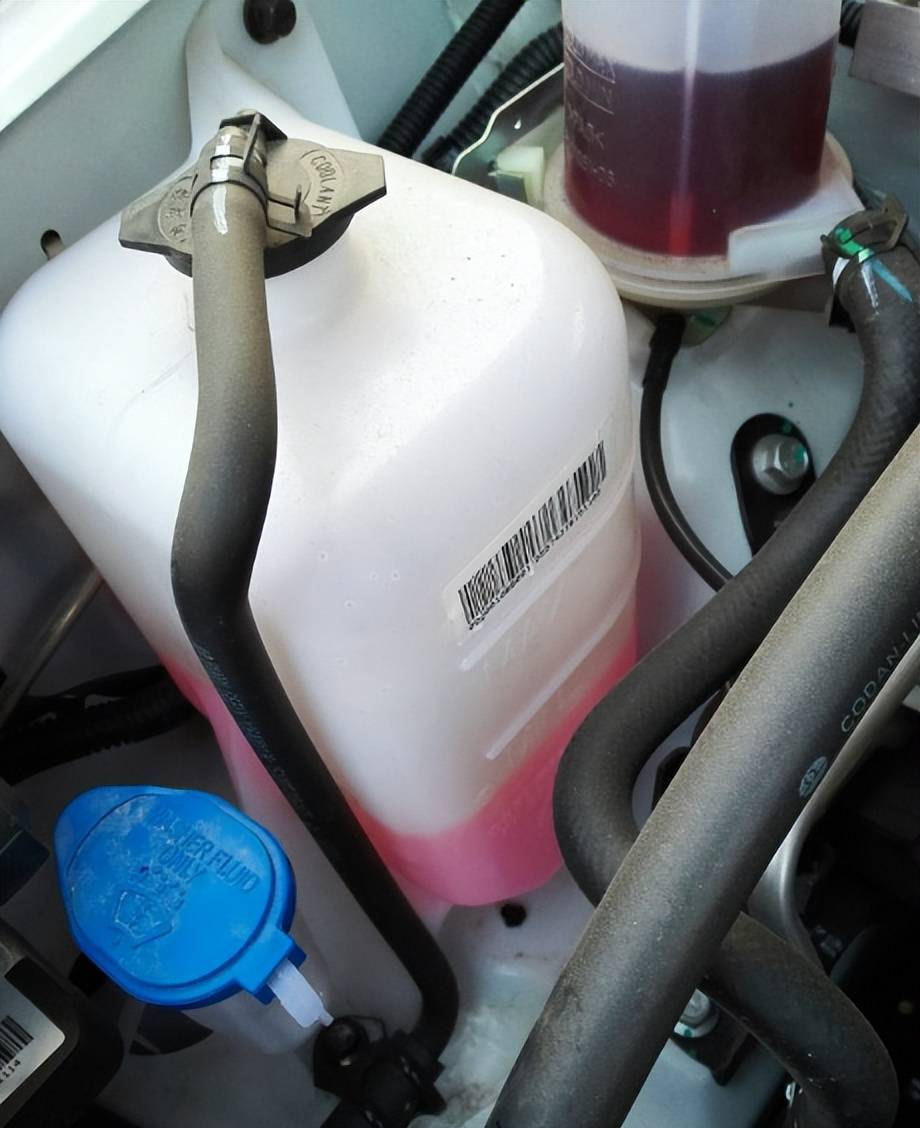
Regularly checking the coolant level is a fundamental aspect of car maintenance that every car owner should be familiar with. The coolant level can be easily checked by looking at the coolant reservoir, which is usually a translucent plastic container located in the engine compartment. It is clearly marked with minimum (MIN) and maximum (MAX) level indicators.
Before checking the coolant level, it is crucial to ensure that the engine is cool. Checking the coolant level when the engine is hot can be extremely dangerous as the coolant is under high pressure and can spray out forcefully if the reservoir cap is removed, causing severe burns. Once the engine has cooled down, simply look at the coolant level in the reservoir. If the level is below the MIN mark, it indicates that the coolant needs to be topped up.
Low coolant levels can have several negative consequences. Firstly, it can lead to engine overheating. With less coolant available to absorb and transfer heat from the engine, the engine temperature can rise rapidly. This can cause damage to engine components such as the cylinder heads, gaskets, and pistons. Overheating can also lead to a loss of engine power, reduced fuel efficiency, and in severe cases, complete engine failure.
Secondly, low coolant levels can accelerate the wear and tear of the cooling system components. The water pump, for example, needs a sufficient volume of coolant to operate smoothly. When the coolant level is low, the water pump may not be properly lubricated, leading to increased friction and premature failure.
To top up the coolant, it is essential to use the correct type of coolant recommended by the vehicle manufacturer. Mixing different types of coolants can lead to chemical reactions that may reduce the coolant's effectiveness in terms of heat transfer, anti - freeze, and anti - corrosion properties. In some cases, it can even cause damage to the cooling system components.
Coolant Quality Testing
Testing the quality of coolant is another important aspect of maintenance. One of the key tests is checking the pH level of the coolant. The pH level indicates the acidity or alkalinity of the coolant. A proper pH balance is crucial for the coolant's anti - corrosion properties. Most coolants should have a pH level in the range of 7.5 - 11. A pH level below 7.5 indicates that the coolant is becoming acidic, which can accelerate corrosion of the metal components in the cooling system.
To test the pH level, a simple pH test strip can be used. Dip the test strip into the coolant and compare the color change on the strip with the color chart provided. If the pH level is outside the recommended range, it may be necessary to flush and replace the coolant.
Testing the freezing point of the coolant is also vital, especially in regions with cold climates. As mentioned earlier, the anti - freeze property of coolant is crucial for protecting the engine and cooling system from freezing. A hydrometer or a digital coolant tester can be used to measure the freezing point. The freezing point of the coolant should be well below the lowest expected ambient temperature in the area where the vehicle is driven. If the measured freezing point is higher than expected, it means that the coolant's anti - freeze properties have deteriorated, and it may need to be replaced.
Another aspect of coolant quality testing is visual inspection. Look for signs of contamination such as discoloration, cloudiness, or the presence of sediment or debris in the coolant. A significant change in color, for example, from the original bright color to a dull or brownish color, can indicate that the coolant has degraded or has been contaminated. Cloudy coolant may suggest the presence of water - oil emulsions, which can be a sign of a blown head gasket or other engine problems. Sediment or debris in the coolant can clog the radiator and other cooling system components, reducing the coolant's flow and heat - transfer efficiency.
Coolant Replacement Intervals
The replacement intervals for coolant can vary depending on several factors. In general, most traditional ethylene - glycol - based coolants are recommended to be replaced every 2 - 5 years or every 30,000 - 60,000 miles (48,000 - 96,000 kilometers), whichever comes first. However, many modern long - life coolants can last up to 10 years or 150,000 miles (240,000 kilometers).
The type of coolant plays a significant role in determining the replacement interval. Organic Acid Technology (OAT) coolants, which use organic acid - based corrosion inhibitors, tend to have a longer lifespan compared to traditional coolants. These coolants are designed to provide long - term protection against corrosion and can maintain their performance for an extended period. Inorganic Additive Technology (IAT) coolants, on the other hand, have a shorter lifespan and may require more frequent replacement.
The driving conditions and the vehicle's usage pattern also impact the coolant replacement interval. If a vehicle is driven in extreme conditions, such as in very hot or cold climates, or if it is used for heavy - duty applications like towing or commercial use, the coolant may degrade faster and require more frequent replacement. High - temperature environments can accelerate the chemical reactions in the coolant, causing it to break down and lose its effectiveness more quickly. Similarly, in cold climates, the repeated freezing and thawing cycles can also affect the coolant's properties.
Vehicle age and mileage are also important factors. As a vehicle gets older and accumulates more mileage, the coolant may become contaminated with debris, metal particles, and other impurities from the engine and the cooling system. This can reduce the coolant's performance and necessitate more frequent replacement. Even if the coolant has not reached its recommended replacement time based on the manufacturer's guidelines, if it fails quality tests or shows signs of degradation, it should be replaced promptly to ensure the proper functioning of the engine and the cooling system.
The Critical Role of Coolant in Sustaining Vehicle Health and Performance
The Long - Term Impact of Proper Coolant Maintenance on Car Performance
Proper coolant maintenance has a profound long - term impact on car performance, influencing multiple aspects of the vehicle's operation and overall lifespan.
In terms of engine durability, regular checks and timely replacement of coolant, as well as ensuring the correct coolant composition, are essential. Over time, without proper maintenance, coolant can lose its anti - corrosion properties. This leads to the corrosion of engine components such as the cylinder heads, engine block, and radiator. Corroded components not only reduce the engine's structural integrity but also impede the efficient flow of coolant, increasing the risk of overheating. For example, a corroded radiator may have clogged tubes, which reduces its heat - dissipation capacity. By maintaining the coolant regularly, the engine can operate in a more stable and protected environment, significantly extending its service life.
Fuel efficiency is another area greatly affected by coolant maintenance. An engine operating at an optimal temperature, which is maintained by properly functioning coolant, burns fuel more efficiently. When the engine overheats due to coolant - related issues, the fuel - combustion process becomes less efficient. The engine may require more fuel to produce the same amount of power, leading to increased fuel consumption. In the long run, this can result in substantial financial costs for the car owner. On the other hand, well - maintained coolant ensures that the engine remains within the ideal temperature range, promoting better fuel - combustion efficiency and reducing fuel costs over time.
The overall reliability of the vehicle is also closely tied to coolant maintenance. A car with a properly maintained coolant system is less likely to experience sudden breakdowns due to engine overheating or cooling - system failures. This is especially important for long - distance driving or in situations where vehicle reliability is crucial, such as during commuting or in emergency situations. For instance, a coolant leak that goes undetected due to lack of regular checks can gradually lead to engine overheating. If this occurs while driving on a highway, it can not only be a major inconvenience but also pose a safety risk. By contrast, consistent coolant maintenance helps to identify potential issues early, allowing for timely repairs and ensuring that the vehicle remains reliable for years to come.
In conclusion, understanding the functions of coolant and implementing proper maintenance practices are fundamental for every car owner. Coolant is not just a simple liquid; it is a vital component that safeguards the engine, enhances performance, and contributes to the overall value and usability of the vehicle. By taking care of the coolant system, car owners can enjoy a smoother, more efficient, and longer - lasting driving experience.