

Understanding Copper and the Need for Polishing
The Allure of Copper
Copper, with its distinctive reddish - orange hue, has captivated humanity for thousands of years. This metal is not only aesthetically pleasing but also possesses a unique set of properties that make it invaluable in a wide range of applications.
One of copper's most well - known attributes is its excellent electrical conductivity. After silver, copper is the second - best conductor among common metals. This property has led to its extensive use in the electrical industry. Copper wires are the backbone of power transmission systems, from the thick cables that carry electricity across long - distance power grids to the delicate wiring within electronic devices such as smartphones, computers, and televisions. Its high conductivity ensures that electrical energy can be efficiently transmitted with minimal power loss.
In addition to its electrical properties, copper is highly corrosion - resistant. When exposed to air, copper gradually forms a thin layer of copper oxide on its surface. Over time, this oxide layer further reacts with carbon dioxide and water in the air to form a greenish - blue patina. This patina not only gives copper an aged, rustic charm but also acts as a protective barrier, preventing further corrosion of the underlying metal. This corrosion - resistance makes copper a popular choice for applications where durability is crucial, such as in plumbing systems, roofing materials, and marine applications.
Copper's malleability and ductility are also remarkable. It can be easily hammered into thin sheets or drawn into fine wires, allowing it to be shaped into a variety of forms. This property has made copper a favorite material for artisans and craftsmen throughout history. From intricate jewelry pieces to large - scale sculptures, copper's workability enables the creation of objects of beauty and artistry.
Due to these outstanding properties, copper finds applications in numerous industries. In architecture, copper is used for decorative elements like domes, spires, and facade claddings, adding a touch of elegance and permanence to buildings. In the automotive industry, copper is used in radiators, electrical components, and engine parts. In the electronics sector, it is an essential material for printed circuit boards and connectors.
However, despite its many virtues, copper is not immune to the effects of time and the environment. Over time, the surface of copper objects can become dull, tarnished, or oxidized, losing their original luster and appeal. This is where the need for copper polishing comes in.
Why Copper Polishing Matters
Polishing copper is more than just a cosmetic enhancement; it is a crucial maintenance step that offers several significant benefits.
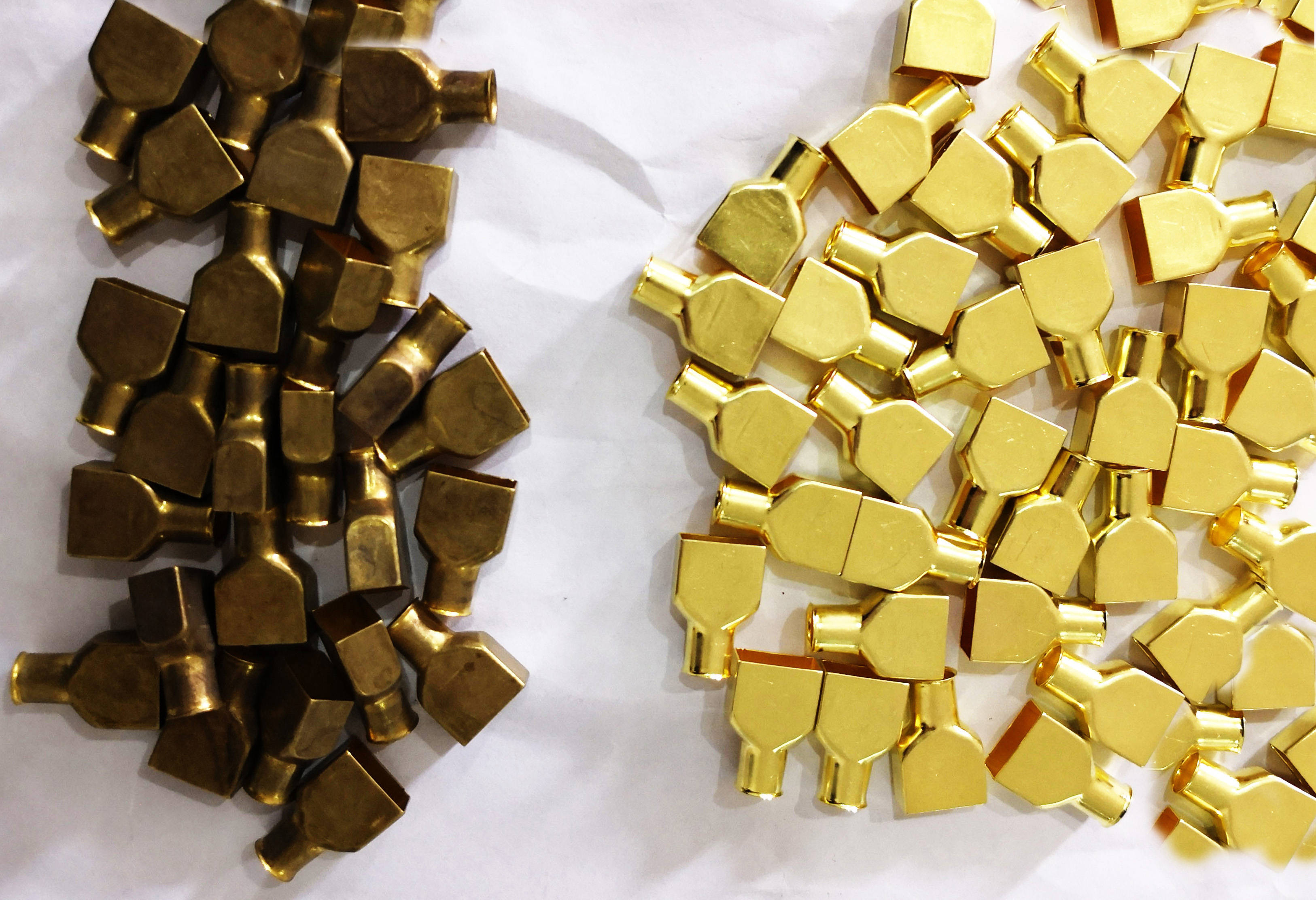
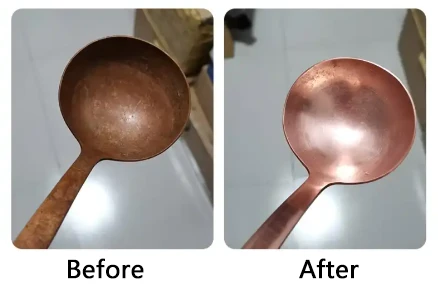
Restoring Luster: The most obvious reason for polishing copper is to restore its natural shine. When copper is exposed to air, moisture, and various environmental contaminants, a layer of tarnish or oxidation forms on its surface. This layer can range from a dull brown to a blackish color, obscuring the metal's beautiful reddish - orange sheen. A good copper polishing agent can effectively remove this tarnish and oxidation, revealing the bright, lustrous copper beneath. Whether it's a copper vase, a set of copper cookware, or a copper - plated fixture, polishing can make it look as good as new, enhancing its visual appeal.
Preventing Further Oxidation: Polishing not only removes existing oxidation but also helps prevent future oxidation. By removing the tarnish layer, the copper surface is left clean and smooth. A smooth surface is less likely to trap moisture and contaminants, which are the main culprits in the oxidation process. Additionally, some copper polishing agents contain ingredients that can form a protective film on the copper surface. This film acts as a barrier, shielding the copper from oxygen and moisture in the air, thus slowing down the oxidation process. This protection can extend the lifespan of copper objects, reducing the need for frequent replacements.
Extending Lifespan: Copper objects that are regularly polished tend to have a longer lifespan. As mentioned earlier, polishing helps prevent corrosion, which can weaken the metal over time. In industrial applications, such as copper pipes in plumbing systems or copper components in machinery, corrosion can lead to leaks, malfunctions, and costly repairs. By keeping the copper surface polished and protected, the integrity of the metal is maintained, ensuring that it continues to function properly for an extended period.
Enhancing Aesthetic Appeal and Value: For decorative copper items, such as artworks, antiques, and jewelry, polishing is essential for maintaining their aesthetic appeal and value. A well - polished copper piece can command a higher price in the market, whether it's being sold as a collectible, an heirloom, or a high - end decorative item. The shiny, reflective surface of polished copper can also add a touch of luxury and sophistication to any interior or exterior space, making it a desirable choice for designers and homeowners alike.
Types of Copper Polishing Agents
Chemical Polishing Agents
Chemical polishing agents are formulated to achieve a high - gloss finish on copper surfaces through a series of chemical reactions. These agents are designed to selectively dissolve the surface layer of the copper, removing any oxidation, tarnish, or impurities that have accumulated over time.
The main components of chemical polishing agents for copper often include acids, bases, and corrosion inhibitors. Acids, such as sulfuric acid, nitric acid, or phosphoric acid, play a crucial role in the polishing process. They react with the copper oxide on the surface, dissolving it and leaving behind a clean copper surface. For example, sulfuric acid can react with copper oxide (\(CuO\)) to form copper sulfate (\(CuSO_4\)) and water (\(H_2O\)) according to the chemical equation: \(CuO + H_2SO_4 = CuSO_4 + H_2O\). Nitric acid is also effective in removing tarnish and can quickly react with copper compounds, but it needs to be used with caution due to its strong oxidizing and corrosive properties.
Bases, on the other hand, can be used in some polishing formulations to adjust the pH of the solution and promote certain chemical reactions. They can help in the dissolution of some types of surface contaminants and may also assist in the formation of a more uniform and smooth surface layer.
Corrosion inhibitors are added to prevent excessive corrosion of the copper during the polishing process. These inhibitors work by forming a thin, protective film on the copper surface, which slows down the rate of dissolution of the base metal while still allowing the removal of the unwanted surface layers. This ensures that the polishing process is controlled and does not cause damage to the integrity of the copper object.
One of the significant advantages of chemical polishing agents is their high efficiency. They can quickly remove thick layers of oxidation and tarnish, often achieving a high - shine finish in a relatively short time. This makes them ideal for industrial applications where large - scale polishing of copper components is required. Additionally, chemical polishing can effectively treat complex - shaped copper objects. Since the polishing process is based on chemical reactions, the solution can reach and act on all surfaces, including those with intricate geometries, recesses, or crevices, which may be difficult to access with mechanical methods.
However, chemical polishing agents also have some drawbacks. Their corrosive nature means that they can be harmful to the skin, eyes, and respiratory system if proper safety precautions are not taken. Workers handling these agents must wear appropriate protective gear, such as gloves, goggles, and respiratory masks. Moreover, the use of strong acids and bases in these agents can pose environmental risks if not properly managed. Disposal of used polishing solutions requires careful treatment to ensure that they do not contaminate water sources or soil.
Abrasive Polishing Agents
Abrasive polishing agents rely on the physical action of abrasive particles to achieve a polished finish on copper surfaces. These agents contain abrasive grains of various sizes, which are suspended in a liquid or a semi - solid medium such as oil, water, or a wax - based paste.
The abrasive particles in these polishing agents can be made from a variety of materials, each with its own unique properties and applications. Common abrasive materials used for copper polishing include aluminum oxide, silicon carbide, and diamond powder. Aluminum oxide is a popular choice due to its hardness and relatively low cost. It comes in different grades, with coarser grades having larger abrasive particles and finer grades having smaller ones. Coarse - grained aluminum oxide abrasive polishing agents are suitable for removing heavy scratches, deep oxidation layers, or large amounts of surface contaminants. They can quickly cut through the surface layers of the copper, but they may also leave behind some minor scratches that need to be removed in subsequent polishing steps.
Silicon carbide abrasive particles are known for their high hardness and sharp edges. They are particularly effective in polishing copper surfaces to a high degree of smoothness. Silicon carbide polishing agents are often used in the intermediate stages of the polishing process, after the initial removal of major defects with coarser abrasives. They can further refine the surface, reducing the size of the scratches left by the coarser abrasives and preparing the surface for the final, fine - polishing steps.
Diamond powder is the hardest abrasive material and is used for achieving the highest - quality finishes on copper. It is especially useful for polishing copper surfaces that require a mirror - like finish, such as in high - end jewelry or precision optical components. Diamond - based abrasive polishing agents are available in extremely fine particle sizes, allowing for the removal of the most minute surface imperfections and the creation of a highly reflective surface.
When using abrasive polishing agents, it is crucial to control the pressure and speed of the polishing process. Applying too much pressure or using a high - speed polishing tool with coarse abrasives can cause excessive material removal and may even damage the copper surface. On the other hand, insufficient pressure or speed may result in an ineffective polishing process, leaving the surface with remaining imperfections. The duration of the polishing process also needs to be carefully monitored. Over - polishing can lead to the removal of too much material, changing the shape or dimensions of the copper object.
Natural and Homemade Polishing Agents
For those who prefer a more natural or cost - effective approach to copper polishing, natural and homemade polishing agents can be a great alternative. These agents are often made from common household ingredients and are generally considered to be more environmentally friendly compared to commercial chemical polishing agents.
One of the most common natural substances used for copper polishing is lemon juice. Lemons contain citric acid, which is a mild organic acid. When lemon juice is applied to a copper surface, the citric acid reacts with the copper oxide on the surface. The acid - base reaction between the citric acid and the copper oxide results in the formation of soluble copper citrate salts, which can be easily wiped away, revealing the shiny copper underneath. The reaction can be represented as: \(3CuO + 2C_6H_8O_7=Cu_3(C_6H_5O_7)_2 + 3H_2O\). Lemon juice is a gentle polishing agent and is suitable for removing light tarnish and restoring the luster of copper objects.
Vinegar, especially white vinegar, is another household item that can be used for copper polishing. Vinegar contains acetic acid, which has a similar effect to citric acid. It reacts with the copper oxide on the surface of the copper, dissolving it and helping to clean and polish the metal. White vinegar can be used either on its own or in combination with other ingredients. For example, a mixture of equal parts of white vinegar and salt can be an effective polishing solution. The salt acts as an abrasive, helping to scrub away the tarnish, while the vinegar provides the acidic component for the chemical reaction.
Tomato - based products, such as ketchup or tomato sauce, can also be used to polish copper. Tomatoes contain malic acid and citric acid, which contribute to the polishing action. The thick consistency of ketchup or tomato sauce can also help to hold the abrasive particles (if any are added) in place and provide a gentle scrubbing action. To use tomato - based products for copper polishing, simply apply a small amount to the copper surface, let it sit for a few minutes to allow the acids to react with the tarnish, and then wipe it off with a soft cloth.
To make a simple homemade copper polishing agent, you can mix baking soda with water to form a paste. Baking soda (sodium bicarbonate) has mild abrasive properties and can help to scrub away the tarnish on the copper surface. The paste can be applied to the copper with a soft cloth or a sponge and gently rubbed in circular motions. After polishing, the copper should be thoroughly rinsed with water and dried to prevent any residue from causing further tarnishing.
Natural and homemade polishing agents offer several advantages. They are often readily available in the home, eliminating the need to purchase specialized polishing products. They are also generally more environmentally friendly, as they do not contain harsh chemicals that can be harmful to the environment. Additionally, these agents are relatively safe to use, with little risk of causing damage to the skin or respiratory system. However, their polishing effects may not be as long - lasting as those of commercial polishing agents. Since they do not contain the same types of protective coatings or corrosion inhibitors as commercial products, the polished copper surface may tarnish more quickly when exposed to the environment.
Evaluating the Best Copper Polishing Agent
Effectiveness
The effectiveness of a copper polishing agent is a crucial factor to consider when choosing the best product for your needs. A highly effective polishing agent should be able to quickly and efficiently remove the oxidation layer on the copper surface. Oxidation on copper can range from a thin, barely - visible layer to a thick, crusty deposit, depending on the length of exposure to the environment and the specific conditions it has been subjected to. For example, copper objects in a coastal area with high humidity and salt - laden air tend to oxidize more rapidly and severely compared to those in a dry, indoor environment.
The best polishing agents can penetrate this oxidation layer and break down the copper oxide compounds. Chemical polishing agents, with their acidic or basic components, are often very effective in this regard. As mentioned earlier, acids like sulfuric acid can react with copper oxide to dissolve it, making the removal process relatively quick. However, the speed of oxidation removal is not the only measure of effectiveness. The ability to restore the original luster of the copper is equally important. A good polishing agent should leave the copper surface with a bright, shiny finish that closely resembles its original state.
When comparing different types of polishing agents, it is helpful to conduct a side - by - side test. Take two identical copper samples with similar levels of oxidation. Apply a chemical polishing agent to one sample and a natural polishing agent, such as lemon juice, to the other. Observe the time it takes for each agent to remove the oxidation and the resulting shine. In most cases, the chemical polishing agent will remove the oxidation more quickly and achieve a higher - gloss finish. However, for light - tarnished copper surfaces, natural polishing agents can also do a decent job and may be sufficient for less - demanding applications.
If you have a copper object with heavy oxidation and a high - end finish is required, such as a valuable antique copper sculpture, a chemical or abrasive polishing agent with a high - quality formulation might be the best choice. On the other hand, if the copper item has only light tarnish and you prefer a more natural approach, a natural or homemade polishing agent could be sufficient.
Safety
Safety is of utmost importance when using any copper polishing agent. Chemical polishing agents, in particular, can pose significant risks to both human health and the environment. Many chemical polishing agents contain strong acids or bases. These substances can cause severe skin burns if they come into direct contact with the skin. For example, sulfuric acid, a common component in some chemical polishing agents, is highly corrosive and can penetrate the skin quickly, leading to chemical burns, tissue damage, and potential scarring. If splashed into the eyes, it can cause permanent eye damage or even blindness.
Inhalation of the fumes emitted by chemical polishing agents can also be harmful. The vapors from acids like nitric acid can irritate the respiratory tract, causing coughing, shortness of breath, and in severe cases, damage to the lungs. Prolonged exposure to these fumes may increase the risk of developing respiratory diseases such as bronchitis or emphysema.
To ensure safety when using chemical polishing agents, it is essential to take appropriate protective measures. Always wear chemical - resistant gloves made of materials such as nitrile or neoprene. These gloves provide a barrier between your skin and the potentially harmful chemicals. Safety goggles should also be worn to protect your eyes from splashes. Additionally, work in a well - ventilated area. This can be a room with open windows or an area equipped with a ventilation system, such as an exhaust fan. Good ventilation helps to dissipate the fumes, reducing the risk of inhalation.
Natural and homemade polishing agents are generally considered safer. Since they are made from common household ingredients like lemon juice, vinegar, or baking soda, they are less likely to cause severe harm. However, this does not mean they are completely risk - free. For example, lemon juice and vinegar are acidic, and while their acidity is much milder than that of chemical polishing agents, they can still cause irritation if they come into contact with sensitive areas such as the eyes or mouth. Baking soda, although a mild abrasive, can also be harmful if inhaled in large amounts. So, even when using natural polishing agents, it is advisable to avoid contact with sensitive body parts and to work in a well - ventilated area.
Ease of Use
The ease of use of a copper polishing agent can greatly influence your choice, especially if you are not an experienced polisher or if you are working on a large number of copper items. Chemical polishing agents often require more complex handling procedures. For instance, they may need to be diluted to the correct concentration before use. Incorrect dilution can lead to either ineffective polishing or damage to the copper surface. The application process may also be more involved. Some chemical polishing agents need to be applied in a specific temperature range. If the temperature is too high or too low, the chemical reactions may not occur as expected, resulting in sub - optimal polishing results.
Moreover, after using chemical polishing agents, thorough rinsing and neutralization steps are usually necessary to remove any remaining chemicals from the copper surface. Failure to do so can lead to further corrosion or damage to the copper over time.
In contrast, natural and homemade polishing agents are generally much easier to use. For example, using lemon juice to polish copper is as simple as applying the juice to the copper surface with a soft cloth and then wiping it off. There are no complex dilution requirements or specific temperature considerations. However, it's important to note that while natural polishing agents are easy to apply, they may require more effort to achieve the same level of shine as chemical polishing agents, especially for heavily oxidized copper surfaces.
When using any polishing agent, there are some general tips and precautions to keep in mind. Whether it's a chemical or natural agent, always apply it evenly to the copper surface. This ensures that the polishing action is uniform and that no areas are over - or under - polished. When wiping or buffing the copper, use a soft cloth or a polishing pad to avoid scratching the surface. For abrasive polishing agents, follow the recommended pressure and speed guidelines to prevent damage to the copper.
Cost - Benefit Analysis
Cost is an important consideration when choosing a copper polishing agent, and a cost - benefit analysis can help you make an informed decision. Chemical polishing agents often have a relatively high upfront cost. High - quality commercial chemical polishing products can be expensive, especially if you need to purchase large quantities for industrial or professional use. However, they also have some cost - saving advantages. They are usually highly concentrated, meaning that a small amount can go a long way. A single bottle of a good chemical polishing agent can be used to polish a large number of copper objects. Additionally, the results obtained from chemical polishing agents are often more long - lasting. This means that you may not need to polish the copper as frequently, saving time and potentially reducing the overall cost in the long run.
On the other hand, natural and homemade polishing agents are generally very cost - effective. The ingredients, such as lemon juice, vinegar, or baking soda, are inexpensive and readily available in most households. However, they may not be as efficient as chemical polishing agents. You may need to use larger amounts of these natural agents, and the polishing effect may not last as long. For example, a copper object polished with lemon juice may start to tarnish again more quickly compared to one polished with a chemical agent. This means that you may need to repeat the polishing process more often, which can increase the overall time and effort required, and in some cases, may not be the most cost - effective option if you consider your time as a valuable resource.
If you are on a tight budget and have copper items with only light tarnish, natural or homemade polishing agents can be a great choice. They offer a low - cost solution for maintaining the appearance of your copper objects. However, if you are dealing with a large number of copper items in a professional or industrial setting, or if you require a long - lasting, high - quality finish, the higher upfront cost of chemical polishing agents may be justified by their efficiency and long - term cost - savings.
Tips for Proper Copper Polishing
Preparation Steps
Before starting the copper polishing process, thorough preparation is essential to ensure optimal results. The first step is to clean the copper surface. Copper objects can accumulate dust, dirt, grease, and other contaminants over time. These substances can interfere with the polishing process and prevent the polishing agent from effectively reaching the copper surface. To clean the copper, use a soft cloth dampened with warm, soapy water. Mild dish soap is usually sufficient for this purpose. Gently wipe the surface of the copper, paying special attention to any crevices or hard - to - reach areas. For more stubborn dirt or grease, a soft - bristled brush can be used to gently scrub the surface. Once the copper is cleaned, rinse it thoroughly with clean water to remove any soap residue and dry it completely with a clean, dry cloth.
Selecting the right tools is also crucial. For small - scale polishing jobs or delicate copper items, a soft cloth is an ideal choice. Microfiber cloths are especially good as they are gentle on the surface and do not leave behind lint or scratches. A sponge can also be used, particularly when applying liquid - based polishing agents. Sponges can help to evenly distribute the polishing agent and can be easily rinsed out if they become dirty during the process.
If you are dealing with larger copper surfaces or if you want to achieve a more professional - looking finish, a polishing machine can be a great investment. There are various types of polishing machines available, including rotary polishers and orbital polishers. Rotary polishers rotate at high speeds and are more powerful, making them suitable for removing heavy oxidation and achieving a high - shine finish. However, they require more skill to operate as improper use can cause swirl marks or scratches on the copper surface. Orbital polishers, on the other hand, move in a random - orbit pattern, which makes them easier to control and less likely to cause damage to the surface. They are a good choice for beginners or for those who want to achieve a more even, consistent finish.
When it comes to choosing a copper polishing agent, consider the condition of the copper surface. If the copper has a thick layer of oxidation or heavy tarnish, a more aggressive polishing agent may be required. Chemical polishing agents are often effective in such cases as they can quickly dissolve the oxidation layer. However, if the copper surface is only slightly dull or has light tarnish, a milder polishing agent, such as a natural or homemade one, may be sufficient. Additionally, consider the type of copper. Some polishing agents are formulated specifically for certain types of copper alloys, so make sure to choose a product that is compatible with your copper item.
Application Techniques
The application of the copper polishing agent is a critical step in the polishing process, and the technique used can significantly impact the final result.
For Chemical Polishing Agents:
Concentration and Dilution: If the chemical polishing agent is a concentrated solution, it must be diluted to the appropriate concentration according to the manufacturer's instructions. Using a solution that is too concentrated can lead to over - polishing, which may cause the copper surface to become pitted or damaged. On the other hand, a solution that is too dilute may not be effective in removing the oxidation and tarnish. For example, if you are using a chemical polishing agent for copper that comes in a concentrated form and is recommended to be diluted 1:10 with water, measure the amounts accurately to ensure the proper concentration.
Immersion Time: When using chemical polishing agents that involve immersion, the length of time the copper is left in the solution is crucial. This time can vary depending on the type of polishing agent, the degree of oxidation, and the type of copper. As a general rule, start with a shorter immersion time and check the surface regularly. For a copper object with moderate oxidation, it may be sufficient to immerse it in the chemical polishing solution for 5 - 10 minutes. If the oxidation is more severe, the immersion time may need to be extended, but be careful not to over - expose the copper as it can lead to damage. After the immersion, carefully remove the copper from the solution and rinse it thoroughly with clean water to stop the chemical reaction.
For Abrasive Polishing Agents:
Application and Spreading: When applying abrasive polishing agents, whether in paste or liquid form, use a soft cloth or a polishing pad. Apply a small amount of the polishing agent to the cloth or pad and then spread it evenly over the copper surface. Make sure to cover the entire area that needs to be polished. If the polishing agent is not spread evenly, it can result in an uneven polishing effect, with some areas being more polished than others.
Pressure and Motion: During the polishing process, apply a moderate amount of pressure. Too much pressure can cause the abrasive particles to scratch the copper surface deeply, while too little pressure may not be effective in removing the imperfections. Use a circular or back - and - forth motion to rub the polishing agent into the copper surface. The speed of the motion should also be consistent. For example, when using a polishing machine with an abrasive polishing agent, set the speed to a level that is appropriate for the type of abrasive and the condition of the copper. A slower speed may be better for fine - grained abrasives and delicate copper surfaces, while a slightly faster speed can be used for coarser abrasives and more robust copper items.
For Natural and Homemade Polishing Agents:
Frequency of Application: Natural polishing agents, such as lemon juice or vinegar, may need to be applied more frequently than commercial chemical or abrasive polishing agents. Since they are generally milder, multiple applications may be required to achieve the desired level of shine. For example, if you are using lemon juice to polish a copper vase, you may need to apply it two or three times, allowing a few minutes for the acid in the lemon juice to react with the tarnish each time.
Wiping and Buffing: After applying a natural or homemade polishing agent, use a soft cloth to wipe and buff the copper surface. Wipe in a gentle, circular motion. The soft cloth helps to remove the tarnish and oxidation while also buffing the surface to a shine. The more you buff, the shinier the copper will become. However, be careful not to apply too much force, as this can still cause scratches, especially if there are any abrasive particles present in the polishing agent (such as salt in a vinegar - and - salt polishing mixture).
After - Care
Once the copper has been successfully polished, proper after - care is necessary to maintain its beautiful shine and prevent it from oxidizing again too quickly.
Avoid exposing the polished copper to corrosive substances. Chemicals such as bleach, ammonia - based cleaners, and strong acids or bases can quickly damage the polished surface and cause it to tarnish or corrode. For example, if you have a polished copper sink in your kitchen, do not use harsh drain cleaners near it as the fumes or splashes from these cleaners can affect the copper surface. Also, be cautious when using cleaning products in the vicinity of copper objects. Read the labels of cleaning products carefully to ensure they are safe to use around copper.
Regular cleaning is an important part of copper maintenance. Use a soft, damp cloth to gently wipe the copper surface at least once a week. This helps to remove any dust, fingerprints, or other contaminants that may have accumulated. If there are any stubborn stains, a mild soap solution can be used, but make sure to rinse the copper thoroughly and dry it immediately to prevent water spots.
Choosing the right storage environment is crucial for preventing copper from oxidizing. Copper should be stored in a dry, well - ventilated area. High humidity can accelerate the oxidation process. If possible, store copper objects in a place with a humidity level of less than 60%. For example, if you have a collection of copper antiques, consider storing them in a display case with a dehumidifier. Avoid storing copper in areas where it is exposed to direct sunlight for long periods. Sunlight can cause the copper to heat up, which can also contribute to oxidation. If you need to display copper items in a sunny area, consider using UV - filtering glass or placing them behind curtains to reduce the amount of direct sunlight they receive.
By following these preparation, application, and after - care tips, you can effectively polish copper objects, maintain their luster, and extend their lifespan. Whether you are dealing with a small copper jewelry piece or a large copper sculpture, proper polishing and care will ensure that the beauty of the copper is preserved for years to come.

Choosing and Using the Best Copper Polish
In conclusion, the choice of the best polish for copper depends on various factors. Copper, with its unique properties and wide - ranging applications, requires proper maintenance to retain its beauty and functionality. The need for copper polishing is evident, whether it is to restore the luster of a decorative copper piece, prevent further oxidation of copper components in industrial settings, or enhance the value of antique copper items.
When it comes to types of copper polishing agents, each has its own characteristics. Chemical polishing agents are highly effective in quickly removing oxidation and achieving a high - gloss finish, but they come with safety risks and environmental concerns. Abrasive polishing agents rely on physical abrasion and can be adjusted according to the surface condition of the copper, yet improper use can damage the surface. Natural and homemade polishing agents offer a safe and cost - effective alternative, although their polishing effects may not be as long - lasting.
Evaluating the best copper polishing agent involves considering aspects such as effectiveness, safety, ease of use, and cost - benefit analysis. An effective polishing agent should be able to efficiently remove oxidation and restore the original shine of the copper. Safety is crucial, especially when dealing with chemical polishing agents that can be harmful to human health and the environment. Ease of use can influence the overall polishing process, and a cost - benefit analysis helps in making a practical choice based on your budget and requirements.
Proper copper polishing also requires following correct procedures. Preparation steps, including cleaning the copper surface and selecting the right tools and polishing agents, are essential. Application techniques vary depending on the type of polishing agent, and after - care, such as avoiding exposure to corrosive substances, regular cleaning, and choosing the right storage environment, is necessary to maintain the polished copper's shine and prevent re - oxidation.
Ultimately, the best polish for copper is the one that meets your specific needs. Whether you prioritize a high - quality, long - lasting finish for a valuable copper heirloom, a cost - effective solution for maintaining everyday copper items, or an environmentally friendly option, there is a copper polishing agent out there for you. By understanding the different types of polishing agents and following proper polishing techniques, you can ensure that your copper objects remain beautiful, functional, and valuable for years to come.