

What Does the Additive Potassium Oxalate Do?
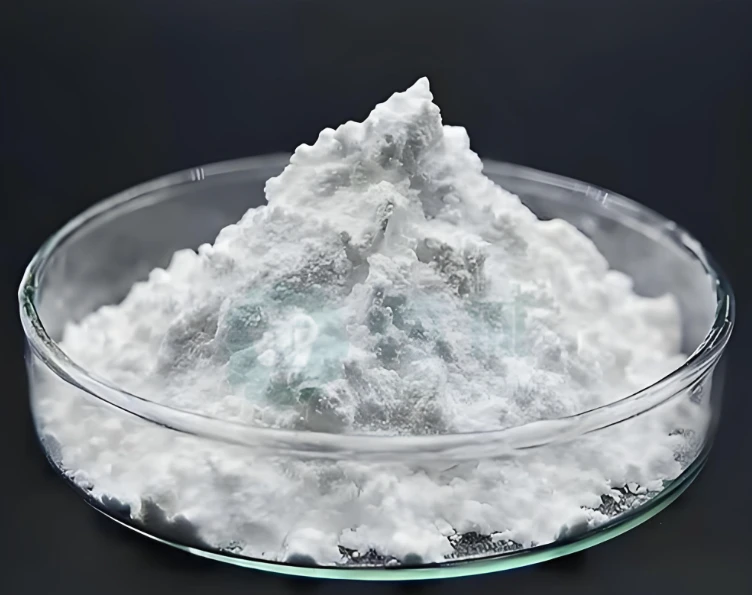
Potassium oxalate, a chemical compound with the formula K₂C₂O₄, is a white crystalline salt that has found diverse applications across industries, laboratories, and medical practices. Its unique properties, particularly its ability to bind calcium ions (Ca²⁺), make it indispensable in specific contexts. This article explores the roles of potassium oxalate as an additive, focusing on its mechanisms, applications, and safety considerations.
1. Chemical and Physical Properties
Potassium oxalate is a potassium salt of oxalic acid (H₂C₂O₄). It exists in two forms: the anhydrous form (K₂C₂O₄) and the monohydrate form (K₂C₂O₄·H₂O). The compound is highly soluble in water but less so in organic solvents. When dissolved, it dissociates into potassium ions (K⁺) and oxalate ions (C₂O₄²⁻), the latter of which is responsible for many of its functional properties.
The oxalate ion is a strong chelating agent, meaning it forms stable complexes with metal ions, particularly calcium, magnesium, and iron. This chelation property underpins most of its applications, from anticoagulation to analytical chemistry.
2. Potassium Oxalate as an Anticoagulant
Mechanism of Action
One of the most well-known uses of potassium oxalate is as an anticoagulant in blood collection tubes. Blood clotting is a calcium-dependent process; by binding free calcium ions in blood plasma, potassium oxalate prevents the activation of clotting factors, thereby inhibiting coagulation. This allows blood samples to remain liquid for laboratory testing, such as glucose or electrolyte analysis.
Application in Medical Laboratories
In clinical settings, potassium oxalate is often combined with other anticoagulants like sodium fluoride to preserve blood samples. For example, gray-top Vacutainer tubes contain potassium oxalate and sodium fluoride, which prevent clotting and glycolysis (breakdown of glucose), respectively. The typical concentration used is 1–2 mg of potassium oxalate per milliliter of blood.
Limitations
While effective, potassium oxalate is unsuitable for tests requiring calcium measurements (e.g., serum calcium levels) because it artificially lowers detectable calcium. In such cases, alternative anticoagulants like heparin are preferred.
3. Analytical Chemistry Applications
Potassium oxalate's ability to chelate metal ions makes it valuable in analytical chemistry:
Reducing Agent in Titrations
In redox titrations, potassium oxalate acts as a reducing agent. For instance, it reduces permanganate ions (MnO₄⁻) to manganese(II) ions (Mn²⁺) in acidic solutions, facilitating the determination of oxidizing agents.
Precipitation of Metal Ions
Oxalate ions precipitate calcium, iron, and other metals from solutions. This property is exploited in gravimetric analysis to isolate and quantify metal content in samples. For example, calcium in water can be measured by precipitating it as calcium oxalate and weighing the residue.
Standardization of Solutions
Potassium oxalate serves as a primary standard for calibrating potassium permanganate solutions due to its high purity and stability.
4. Industrial and Historical Uses
Metal Cleaning and Polishing
Oxalate ions dissolve rust (iron oxide) and mineral deposits. Potassium oxalate is used in industrial cleaners to remove stains from metal surfaces, textiles, and wood. It is particularly effective in restoring aged bronze or iron artifacts.
Photography (Historical Role)
In the early 20th century, potassium oxalate was used as a developing agent in photographic film processing. However, modern photography has replaced it with less toxic alternatives.
Textile and Leather Processing
The compound aids in dye fixation and tanning processes by binding metal ions that could interfere with chemical reactions.
5. Safety and Toxicity
Despite its utility, potassium oxalate poses significant health risks:
Acute Toxicity
Ingesting even small amounts (5–15 grams for adults) can cause severe poisoning. Oxalate ions bind to calcium in the bloodstream, leading to hypocalcemia (low calcium levels), which may result in muscle spasms, cardiac arrhythmias, or kidney failure. Calcium oxalate crystals can also form in the kidneys, causing nephrolithiasis (kidney stones).
Handling Precautions
Laboratory and industrial workers handling potassium oxalate must use personal protective equipment (PPE), including gloves and goggles. Proper ventilation is essential to avoid inhaling dust particles.
Environmental Impact
Potassium oxalate is biodegradable but toxic to aquatic life at high concentrations. Disposal must comply with environmental regulations to prevent ecosystem harm.
6. Comparison with Other Anticoagulants
Potassium oxalate is one of several anticoagulants used in medicine. Here's how it compares to alternatives:
Heparin: Works by activating antithrombin III to inhibit clotting factors. Unlike potassium oxalate, it doesn't chelate calcium, making it suitable for calcium-level tests. However, heparin is more expensive and can interfere with immunoassays.
EDTA: Another calcium-chelating agent, EDTA is preferred for hematology tests (e.g., complete blood count) as it preserves cell morphology better. However, EDTA can distort electrolyte measurements.
7. Future Perspectives
Research continues to explore novel applications of potassium oxalate. For example, its role in synthesizing nanomaterials or stabilizing enzymes shows promise. Additionally, modified oxalate derivatives are being investigated for targeted drug delivery systems.
Conclusion
Potassium oxalate's versatility stems from its simple yet powerful chemistry-chelating metal ions to achieve anticoagulation, precipitation, or cleaning. While its toxicity demands cautious handling, its contributions to medicine, industry, and science remain irreplaceable. Understanding its mechanisms and applications not only highlights its importance but also underscores the need for responsible usage in alignment with safety protocols. As technology evolves, potassium oxalate may find new roles, further cementing its status as a cornerstone of chemical innovation.