

What Foods Contain Nickel Sulfate?
Nickel sulfate isn't something most people consider when planning meals. However, it is a compound that exists in trace amounts in some of the foods we consume. Understanding which foods contain nickel sulfate is crucial, especially for individuals with nickel allergies. This awareness can help prevent allergic reactions and promote better health.
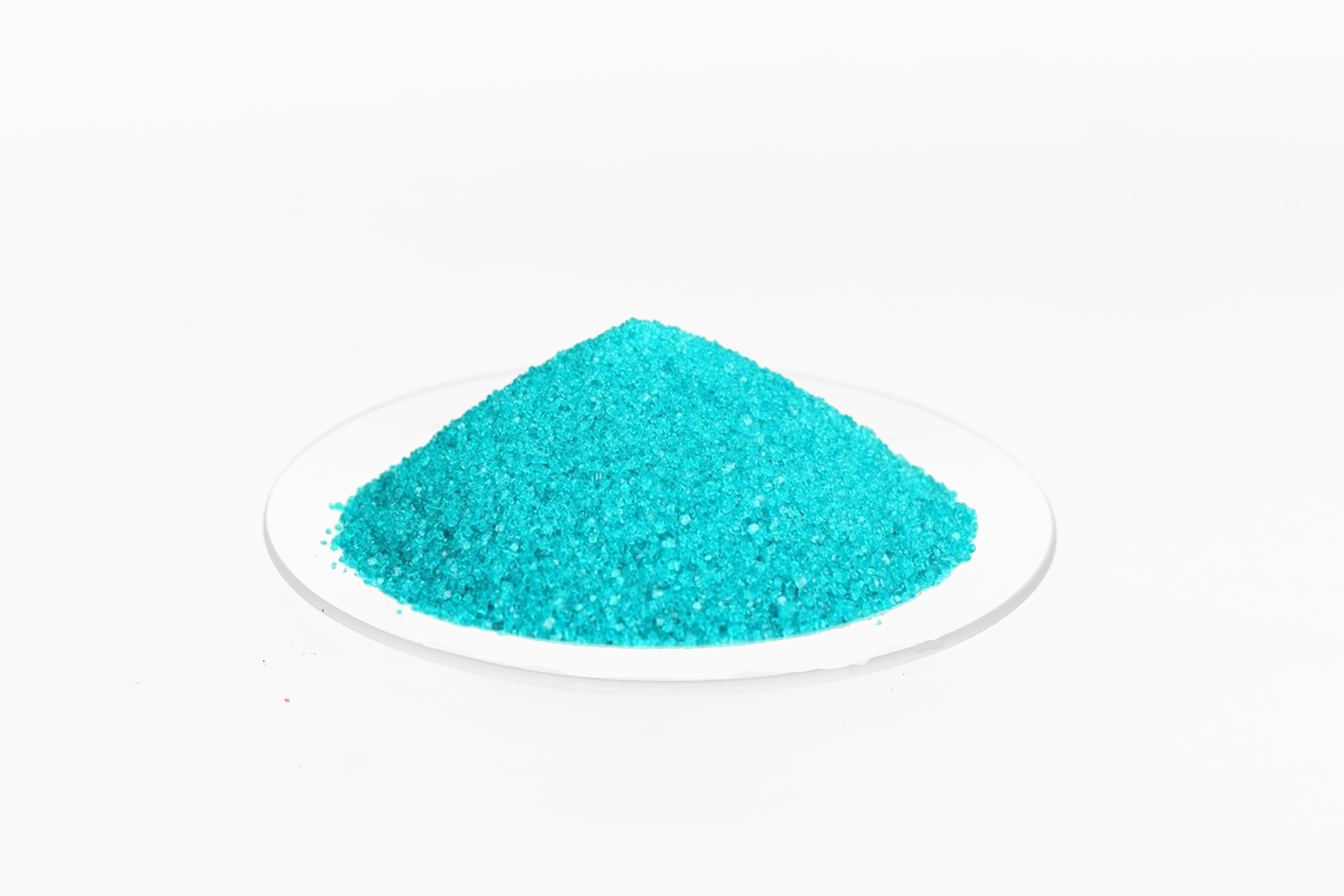
Nickel Sulfate Basics
Nickel sulfate is a chemical compound composed of nickel, sulfur, and oxygen. Nickel, in its natural form, is a common element found in the earth's crust. It is widely used in various industries, from manufacturing stainless steel to producing batteries. Although nickel sulfate isn't intentionally added to food, it can enter the food chain through environmental pollution and agricultural practices. For example, plants can absorb nickel from the soil, and if the soil is contaminated with nickel-containing compounds, the plants may accumulate this metal.
High-Nickel Plant-Based Foods
Certain plant-based foods are known to have relatively high nickel content. Legumes, such as soybeans, lentils, and chickpeas, are often at the top of the list. A cup of cooked soybeans can contain a significant amount of nickel. These legumes are not only popular in traditional dishes like soy milk, lentil soup, and hummus but are also used as ingredients in many processed foods. Additionally, nuts and seeds, including almonds, cashews, and sesame seeds, can contain nickel. Almonds, for instance, are rich in healthy fats and proteins, but they may also introduce nickel into the diet. Some grains, like buckwheat, are higher in nickel compared to others. Buckwheat is used to make noodles and pancakes in many cultures. Vegetables like spinach, kale, and rhubarb can also absorb nickel from the soil, making them potential sources of this metal.

Nickel in Seafood
Seafood can also be a source of nickel. Crustaceans, such as crabs, lobsters, and shrimp, may contain trace amounts of nickel. Mollusks like oysters and clams are also known to accumulate nickel from their aquatic environment. While the nickel content in seafood may vary depending on the location where they are harvested, it is still a factor to consider, especially for nickel-sensitive individuals.
Implications for Health
For most people, the nickel in their diet poses no significant health risks. However, for those with nickel allergies, consuming foods high in nickel can lead to allergic reactions. Symptoms may include skin rashes, itching, swelling, and in severe cases, digestive problems. In some individuals, repeated exposure to nickel can even lead to a chronic skin condition known as nickel contact dermatitis. This condition is characterized by redness, blisters, and a burning sensation on the skin.

Managing Nickel Intake
If you are allergic to nickel, it is essential to manage your nickel intake. Reading food labels carefully can help identify potential sources of nickel. Avoiding foods known to be high in nickel is a good starting point. Additionally, cooking methods can play a role. Boiling foods can reduce their nickel content as some of the nickel may leach into the cooking water. Consulting a registered dietitian can also provide personalized advice on managing a nickel - restricted diet while ensuring adequate nutrition.
In conclusion, nickel sulfate can be found in a variety of foods, including plant-based items, seafood, and some grains. While it generally poses no threat to the majority of the population, individuals with nickel allergies need to be aware of their food choices. By understanding which foods contain nickel and taking appropriate steps to manage nickel intake, those with allergies can lead healthy, symptom - free lives.