

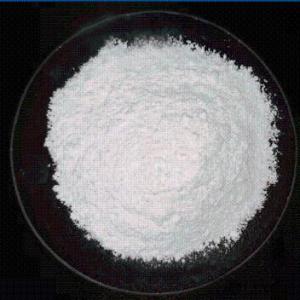
Zinc oxide, a compound with the formula ZnO, is a versatile substance that plays multiple crucial roles in the human body. From skincare to internal physiological processes, its benefits are far - reaching and essential for maintaining good health.
I. Zinc Oxide in Skincare
1.1. Sunscreen Function
One of the most well - known applications of zinc oxide is in skincare products. It is a key ingredient in many sunscreens, diaper rash creams, and other topical medications. As a physical sunscreen, zinc oxide works by sitting on the surface of the skin and creating a barrier that reflects and scatters both UVA and UVB rays. This helps protect the skin from sunburn, premature aging, and the development of skin cancer. Unlike chemical sunscreens, which absorb UV radiation and convert it into heat, zinc oxide provides immediate protection without the need for the body to metabolize the active ingredients.
1.2. Antibacterial and Anti - inflammatory Effects
In addition to its sun - blocking properties, zinc oxide has excellent antibacterial and anti - inflammatory effects. When applied to the skin, it can inhibit the growth of bacteria, which is particularly beneficial for conditions such as acne. Acne is often caused by the overgrowth of bacteria on the skin, and zinc oxide's antibacterial action helps reduce the number of bacteria, thus minimizing breakouts. For diaper rash, which is often aggravated by the presence of bacteria and moisture, zinc oxide forms a protective layer that keeps the skin dry and free from irritation, while also fighting off harmful bacteria.

II. Contribution to the Immune System
Zinc oxide also contributes significantly to the body's immune system. Zinc, the main element in zinc oxide, is an essential mineral for immune function. It is involved in the production and activation of immune cells, such as T - lymphocytes and macrophages. These cells are crucial for identifying and destroying pathogens, including bacteria, viruses, and fungi. A deficiency in zinc can lead to a weakened immune system, making the body more susceptible to infections and diseases. By providing a source of zinc, zinc oxide helps maintain a healthy immune response, ensuring that the body can effectively defend itself against various threats.
III. Role in Wound Healing
3.1. Collagen Synthesis
Moreover, zinc oxide is important for wound healing. When a wound occurs, zinc is required for the synthesis of collagen, a protein that provides structure and strength to the skin and other connective tissues.
3.2. Promoting Vascularization and Inflammation Regulation
Zinc oxide promotes the formation of new blood vessels in the wound area, which is essential for delivering oxygen and nutrients to the damaged tissue. It also helps regulate the inflammatory response during the wound - healing process, reducing redness, swelling, and pain. As a result, the use of zinc oxide - containing products on wounds can accelerate the healing process and reduce the risk of scarring.
IV. Importance in the Digestive System
4.1. Protecting the Intestinal Lining
In the digestive system, zinc oxide can play a role in maintaining the integrity of the intestinal lining. It helps protect the cells in the gut from damage caused by oxidative stress and harmful substances. A healthy intestinal lining is crucial for proper digestion and nutrient absorption.
4.2. Digestive Enzyme Production
Zinc is also involved in the production of digestive enzymes, which are necessary for breaking down food into smaller, absorbable molecules. Without sufficient zinc, digestion may be impaired, leading to problems such as indigestion, bloating, and malabsorption.
V. Influence on Metabolic Processes
Furthermore, zinc oxide is related to the body's metabolic processes. Zinc is involved in numerous enzymatic reactions that are essential for metabolism, including the breakdown of carbohydrates, fats, and proteins. It also helps regulate insulin function, which is important for maintaining normal blood sugar levels. By ensuring proper metabolic function, zinc oxide contributes to overall energy production and the efficient use of nutrients in the body.
In conclusion, zinc oxide has a wide range of functions in the human body. Whether it is protecting the skin from the sun and bacteria, supporting the immune system, aiding in wound healing, maintaining digestive health, or contributing to metabolism, zinc oxide proves to be an invaluable compound. Ensuring an adequate intake of zinc through diet or the use of zinc - containing products can help maintain optimal health and well - being.