

In the modern world, where temperature stability is critical for industries ranging from healthcare to food storage, environmental monitoring to scientific research, the ability to track temperature changes over an extended period has become indispensable. A 30 day temperature recorder emerges as a specialized device designed to address this need, offering continuous, accurate, and reliable temperature data logging for a full month. Unlike basic thermometers that only provide real-time temperature readings, this device goes beyond by storing data at predefined intervals, allowing users to review, analyze, and validate temperature trends long after the monitoring period ends.
Whether it is ensuring that vaccines remain within the required cold chain range during transportation, verifying that industrial equipment operates at safe temperature levels, or supporting climate research by documenting ambient temperature fluctuations, a 30 day temperature recorder plays a pivotal role in mitigating risks, ensuring compliance with regulations, and optimizing operational efficiency. This article will delve into the core components, working principles, key applications, selection criteria, maintenance practices, and future trends of a 30 day temperature recorder, providing a comprehensive understanding of this essential monitoring tool.

Core Definition and Classification of a 30 Day Temperature Recorder
To fully grasp the functionality and value of a 30 day temperature recorder, it is first necessary to clarify its fundamental definition and the various types available in the market. This section will break down what sets this device apart from other temperature-monitoring tools and how it is categorized based on different criteria.
Fundamental Definition: Beyond Real-Time Temperature Reading
At its core, a 30 day temperature recorder is an electronic device engineered to continuously measure, record, and store temperature data over a 30-day period (or longer, with adjustable settings) at user-specified time intervals-ranging from seconds to hours. Unlike standard thermometers (analog or digital) that only display the current temperature, the recorder retains every recorded data point in its internal memory, enabling users to retrieve and analyze historical temperature patterns. This capability is critical in scenarios where "proof of temperature compliance" is required, such as in the pharmaceutical industry (where vaccines and medications are sensitive to temperature deviations) or the food industry (where spoilage risks rise with temperature fluctuations).
A key distinction between a 30 day temperature recorder and shorter-duration recorders (e.g., 7-day or 14-day models) is its extended battery life and larger memory capacity. These features ensure that the device can operate uninterrupted for a full month without needing recharging or data clearing, making it ideal for long-haul transportation, seasonal environmental monitoring, or batch production processes that span several weeks.
Classification of 30 Day Temperature Recorder by Operational Mode
30 day temperature recorders are not one-size-fits-all devices; they are classified into different types based on their operational mode, each tailored to specific use cases. The two primary categories are wired temperature recorders and wireless temperature recorders, with additional subcategories under each.
Wired 30 Day Temperature Recorder
Wired 30 day temperature recorders rely on physical cables (e.g., USB, RS485, or Ethernet) to connect to power sources and data retrieval systems. They are typically used in fixed locations where mobility is not required, such as industrial control rooms, laboratory incubators, or cold storage facilities with stable power access.
One advantage of wired recorders is their consistent power supply-unlike battery-powered wireless models, they do not risk shutting down mid-monitoring due to low battery. They also offer faster data transfer speeds when retrieving recorded information, as cables eliminate the latency associated with wireless signals. However, their reliance on cables limits flexibility; they cannot be easily moved once installed, and cable damage (e.g., cuts or wear) can disrupt both power and data collection.
Common applications of wired 30 day temperature recorders include monitoring the temperature of industrial machinery (e.g., motors or transformers) in factories, tracking the temperature of refrigerated display cases in supermarkets, and ensuring that laboratory freezers storing sensitive samples maintain a constant temperature.
Wireless 30 Day Temperature Recorder
Wireless 30 day temperature recorders operate without physical cables, using battery power and wireless communication technologies (e.g., Bluetooth, Wi-Fi, LoRa, or cellular networks) to transmit data or store it for later retrieval. They are designed for scenarios where mobility or remote monitoring is essential, such as transporting temperature-sensitive goods via trucks, ships, or airplanes, or monitoring outdoor environmental conditions (e.g., greenhouse temperatures or soil temperatures in agricultural fields).
The biggest advantage of wireless recorders is their portability-they can be placed in hard-to-reach areas (e.g., inside shipping containers or deep within storage warehouses) without the need for cable installation. Many modern wireless 30 day temperature recorders also offer real-time data transmission, allowing users to monitor temperature trends remotely via smartphones, tablets, or cloud-based platforms. This feature is particularly valuable for supply chain managers, who can receive instant alerts if temperatures exceed predefined thresholds, enabling them to take corrective action (e.g., rerouting a shipment or adjusting cooling systems) before damage occurs.
However, wireless recorders do have limitations: their battery life, while optimized for 30 days, can be affected by factors such as extreme temperatures (very cold or hot conditions drain batteries faster) and data transmission frequency (more frequent real-time updates reduce battery life). They also require a stable wireless signal; in remote areas with poor connectivity, data may be stored locally and retrieved only when the device is back in range.
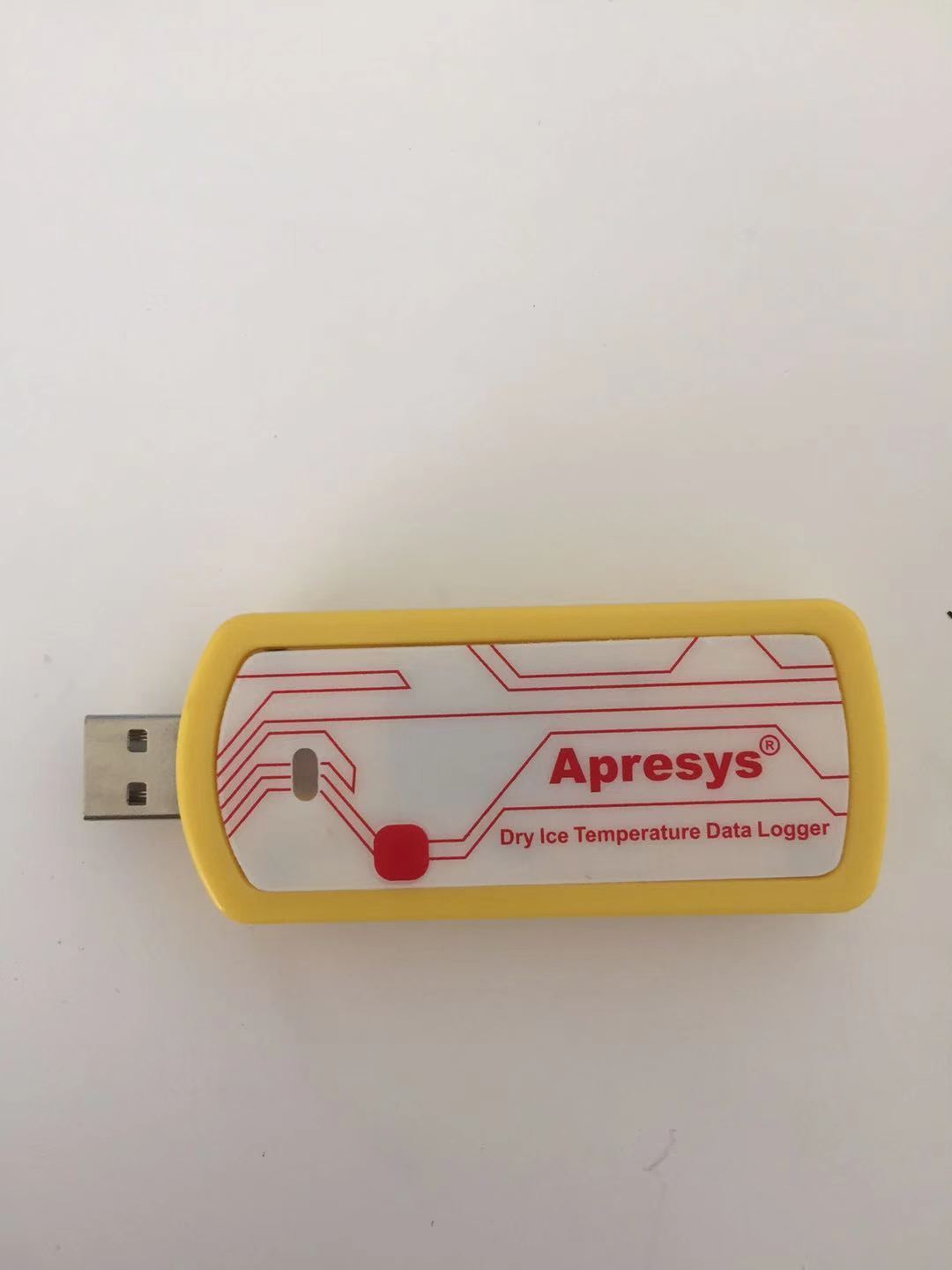
Key Components That Power a 30 Day Temperature Recorder
A 30 day temperature recorder's ability to deliver accurate, long-term temperature data depends on the quality and integration of its core components. Each part plays a specific role in measuring, storing, powering, and (in some cases) transmitting temperature information. Understanding these components is essential for evaluating the performance and reliability of a 30 day temperature recorder.
Temperature Sensor: The "Sensing Heart" of the Recorder
The temperature sensor is the most critical component of a 30 day temperature recorder, as it is responsible for converting physical temperature changes into electrical signals that the device can process. Without an accurate sensor, the recorder's data will be unreliable, rendering it useless for compliance or safety purposes.
There are several types of temperature sensors used in 30 day temperature recorders, each with unique characteristics suited to different environments:
Thermistors: These are resistive sensors whose electrical resistance changes with temperature. They are highly sensitive (able to detect small temperature fluctuations, as low as 0.1°C) and fast-responding, making them ideal for applications where precision is critical (e.g., pharmaceutical cold chains or laboratory experiments). However, they have a limited temperature range (typically -55°C to 125°C) and can drift over time, requiring periodic calibration.
Thermocouples: These sensors consist of two different metal wires joined at one end; they generate a voltage that varies with temperature. Thermocouples have a wide temperature range (from -270°C to 1,700°C), making them suitable for high-temperature environments such as industrial ovens or engine compartments. However, they are less accurate than thermistors (with a typical error margin of ±1°C to ±2°C) and require a reference junction to ensure accuracy.
RTDs (Resistance Temperature Detectors): RTDs are made of pure metals (e.g., platinum) whose resistance increases linearly with temperature. They offer high accuracy (error margins as low as ±0.1°C) and stability over long periods, making them ideal for applications that require consistent, precise measurements (e.g., medical equipment or semiconductor manufacturing). However, they are more expensive than thermistors and thermocouples and have a slower response time.
The choice of sensor depends on the application's temperature range, accuracy requirements, and environmental conditions. For example, a 30 day temperature recorder used to monitor vaccine shipments would likely use a thermistor for its high sensitivity, while a recorder used to track industrial furnace temperatures would use a thermocouple.
Data Storage Module: Preserving Temperature Records for 30 Days
The data storage module of a 30 day temperature recorder is responsible for storing all the temperature data collected by the sensor over the 30-day period. The module's capacity and reliability directly determine how much data the recorder can hold and whether the data will remain intact until retrieval.
Most modern 30 day temperature recorders use flash memory (e.g., SD cards, microSD cards, or internal flash chips) for data storage. Flash memory is non-volatile, meaning it retains data even when the device is powered off-a critical feature for battery-powered wireless recorders that may shut down temporarily due to low battery. The storage capacity of the module varies depending on the recorder's design and the data logging interval: a recorder set to log temperature every 10 minutes (a common interval for cold chain monitoring) will generate 4,320 data points over 30 days (6 loggings per hour × 24 hours × 30 days), which requires only a small amount of memory (typically a few megabytes). However, recorders set to log every second (used in high-precision applications like laboratory research) will generate over 2.5 million data points, requiring larger storage capacity (e.g., 16GB or 32GB).
Some advanced 30 day temperature recorders also include cloud storage integration, allowing data to be automatically uploaded to a secure cloud server as it is collected. This feature eliminates the risk of data loss if the recorder is lost, damaged, or stolen, as the data is stored remotely. Cloud storage also enables multiple users to access the data simultaneously from different locations, facilitating collaboration in industries like logistics or healthcare.
Power Supply: Ensuring Uninterrupted Operation for 30 Days
A 30 day temperature recorder must operate continuously for a full month without requiring recharging or battery replacement, making the power supply a critical component. The type of power supply used depends on the recorder's operational mode (wired or wireless):
Power Supply for Wired 30 Day Temperature Recorder
Wired 30 day temperature recorders typically draw power from an external source via a power cable (e.g., 120V/240V AC or 12V DC). This ensures a constant, uninterrupted power supply, eliminating the risk of battery failure. Many wired recorders also include a backup battery (e.g., a lithium-ion battery) to keep the device running in case of a power outage. The backup battery is designed to last for several hours to several days, depending on the recorder's power consumption, giving users time to restore the main power supply without losing data.
Power Supply for Wireless 30 Day Temperature Recorder
Wireless 30 day temperature recorders rely on rechargeable or non-rechargeable batteries for power. The most common battery types are lithium-ion (rechargeable) and lithium-thionyl chloride (non-rechargeable). Lithium-thionyl chloride batteries are preferred for many wireless recorders because they have a long shelf life (up to 10 years) and can operate in extreme temperatures (from -55°C to 85°C), making them suitable for harsh environments like cold storage or outdoor monitoring.
The battery life of a wireless 30 day temperature recorder depends on several factors:
Data logging interval: More frequent logging (e.g., every 10 seconds) consumes more power than less frequent logging (e.g., every hour).
Wireless transmission frequency: Real-time data transmission (e.g., sending data every 5 minutes via Wi-Fi) drains the battery faster than storing data locally and transmitting it once at the end of the 30-day period.
Environmental temperature: Extreme cold or heat can reduce battery performance; for example, lithium batteries may lose up to 50% of their capacity at -20°C.
To maximize battery life, many wireless 30 day temperature recorders include power-saving features, such as automatic sleep modes when not logging data or adjusting transmission frequency based on battery level.
User Interface and Data Retrieval: Accessing Temperature Records
The user interface (UI) and data retrieval system of a 30 day temperature recorder determine how easily users can set up the device, monitor real-time data (if available), and retrieve stored records.
For basic wired or wireless recorders, the UI may consist of a small LCD screen (to display current temperature, battery level, and logging status) and a few buttons (to start/stop logging, adjust settings, or view historical data). Data retrieval is typically done via a USB cable: users connect the recorder to a computer, and dedicated software (provided by the manufacturer) extracts the data in a readable format (e.g., Excel, CSV, or PDF).
Advanced 30 day temperature recorders, especially wireless models, offer more user-friendly interfaces and flexible data retrieval options:
Mobile apps: Many manufacturers provide smartphone or tablet apps that connect to the recorder via Bluetooth or Wi-Fi. Users can set up the recorder (e.g., adjust logging intervals, set temperature thresholds for alerts), view real-time temperature data, and download historical records directly to their mobile devices.
Cloud platforms: Recorders with cloud integration automatically upload data to a secure online platform. Users can access the platform from any device with an internet connection, view temperature trends in graphs or charts, set up email or SMS alerts for temperature deviations, and share data with other users (e.g., quality control teams or regulatory authorities).
NFC (Near Field Communication): Some compact wireless recorders use NFC technology, allowing users to retrieve data by simply tapping their smartphone against the recorder. This is particularly useful for recorders in hard-to-reach locations (e.g., inside shipping containers) where connecting a USB cable or using Wi-Fi is impractical.

How Does a 30 Day Temperature Recorder Work? A Step-by-Step Breakdown
The operation of a 30 day temperature recorder involves a sequence of coordinated steps, from initialization and setup to data collection, storage, and retrieval. Understanding this process helps users ensure that the device is functioning correctly and that the data it generates is accurate and reliable.
Initialization and Setup: Configuring the Temperature Recorder
Before the 30 day temperature recorder can start logging data, it must be initialized and configured to meet the specific needs of the application. This step is critical, as incorrect settings can lead to missing data, inaccurate measurements, or failure to meet regulatory requirements.
The setup process typically involves the following steps:
Choosing the Logging Interval: Users select how often the recorder will measure and store temperature data. The interval depends on the application: for example, a recorder monitoring vaccine shipments may be set to log every 10 minutes (to detect rapid temperature changes), while a recorder tracking outdoor air temperature for climate research may be set to log every hour (to capture daily trends without generating excessive data).
Setting Temperature Thresholds (Optional): Many 30 day temperature recorders allow users to set upper and lower temperature thresholds. If the recorded temperature exceeds or falls below these thresholds, the recorder triggers an alert (e.g., a visual indicator like an LED light, an audible alarm, or a push notification to a mobile app). This is critical for applications where temperature deviations can cause product damage or safety risks (e.g., medical supplies or perishable food).
Calibrating the Sensor: To ensure accuracy, the temperature sensor of the recorder should be calibrated before use. Calibration involves comparing the sensor's readings to a known, accurate temperature source (e.g., a calibrated thermometer or a temperature bath) and adjusting the sensor if necessary. Most manufacturers recommend calibrating the sensor annually, or more frequently if the recorder is used in harsh environments (e.g., high humidity or extreme temperatures).
Testing the Power Supply and Storage: For wired recorders, users verify that the power cable is securely connected and that the backup battery is charged. For wireless recorders, they check the battery level (via the UI or mobile app) and ensure that the storage module (e.g., SD card) is properly inserted and has enough capacity to store 30 days of data.
Once setup is complete, the user starts the logging process-either via the recorder's buttons, a mobile app, or computer software.
Continuous Temperature Monitoring and Data Logging
After initialization, the 30 day temperature recorder enters its primary operational phase: continuous temperature monitoring and data logging. This phase is fully automated, requiring no user intervention (unless an alert is triggered).
The process unfolds as follows:
Temperature Measurement: At each predefined logging interval (e.g., every 10 minutes), the temperature sensor detects the ambient temperature (or the temperature of the object it is attached to) and converts it into an electrical signal. The signal is sent to the recorder's microprocessor (the "brain" of the device).
Data Processing: The microprocessor converts the electrical signal into a digital temperature value (e.g., 2°C or 25°F) and timestamps it with the exact date and time of the measurement. Timestamps are critical for tracking when temperature changes occurred, which is essential for compliance audits or investigating incidents (e.g., determining when a shipment's temperature exceeded the safe range).
Data Storage: The digital temperature value and timestamp are stored in the recorder's memory (flash memory or cloud storage). The recorder continues this process every logging interval for the entire 30-day period, ensuring that no data points are missed.
During this phase, the recorder also monitors its own status (e.g., battery level, storage capacity, and sensor performance). If a problem is detected (e.g., low battery, full storage, or sensor malfunction), the recorder triggers an alert to notify the user. For example, a wireless recorder with a low battery may send a push notification to the user's mobile app, while a wired recorder may flash an LED light on its UI.
Data Retrieval and Analysis: Making Sense of Temperature Records
At the end of the 30-day period (or mid-cycle if needed), data retrieval and analysis extracts stored data and turns it into actionable insights.
Data Retrieval Methods: From Local to Cloud
Retrieval depends on the 30 day temperature recorder type:
Basic models: Wired recorders connect via USB/RS485 to computers; manufacturer software converts raw data to Excel/CSV/PDF (with timestamps and alerts). Wireless non-cloud models use Bluetooth/NFC-pair with phones or tap to transfer data, ideal for warehouse staff managing multiple units.
Cloud-enabled models: Auto-upload data to secure servers at set intervals. Users access data via web dashboards/apps (no physical interaction) and store historical data for cross-period comparisons. Critical for remote use (e.g., ocean shipments), letting teams monitor data without waiting for the recorder's return.
Data Analysis: Turning Records into Actionable Insights
Analysis unlocks the 30 day temperature recorder's value, with most software offering built-in tools (advanced users use MATLAB/Tableau):
Compliance validation: For regulated industries (e.g., WHO's 2°C–8°C vaccine range), software flags deviations and generates compliance certificates for FDA/EMA audits.
Trend identification: Reveals long-term patterns-e.g., a greenhouse recorder showing 3°C midday spikes prompts earlier ventilation. Machinery recorders may highlight 7-day temperature spikes, signaling incomplete maintenance.
Anomaly troubleshooting: Timestamped data pinpoints issues-e.g., a shipping container's 10°C spike on Day 5 can be cross-checked with logs (customs inspection vs. cooling failure).
Predictive insights: Advanced tools use algorithms to forecast trends-e.g., cold chain platforms may warn of sub-2°C temperatures in future shipments, advising pre-heating to prevent deviations.
Key Applications of a 30 Day Temperature Recorder Across Industries
The 30 day temperature recorder's long-term accuracy makes it vital across sectors, protecting products and ensuring compliance.
Healthcare and Pharmaceuticals: Safeguarding Temperature-Sensitive Medicines
Critical for vaccines/biologics (e.g., Pfizer-BioNTech, insulin) that degrade outside 2°C–8°C (refrigerated) or -20°C (frozen):
Manufacturing: Monitor bioreactor/storage tank temps to ensure API consistency (e.g., 37°C ±0.5°C for 14 days).
Transportation: Wireless cellular/satellite recorders track long-haul vaccine shipments (2–4 weeks). Teams adjust cooling/reroute if needed; data qualifies shipments at destinations.
Storage: Wired/cloud recorders in clinic/pharmacy fridges log 24/7 and alert staff to power failures. 30-day models avoid mid-process recorder swaps, reducing human error.
Food and Beverage: Preventing Spoilage and Ensuring Safety
Complies with FSMA standards, protecting perishables (meat, dairy, produce) from bacterial growth (unsafe above 4°C refrigerated/-18°C frozen):
Farm-to-table transport: Wireless recorders in produce crates/trucks alert drivers to cooling failures. Data determines if produce is safe (e.g., <2 hours above 4°C = usable).
Warehouse storage: Wired recorders monitor cold zone temps and trigger HVAC adjustments to prevent spoilage.
Retail: Compact wireless recorders in display cases log after-hours temps; cloud models alert managers to open doors, cutting supermarket spoilage by 30%.
Quality control: Breweries use recorders to monitor 2–4 week fermentation, ensuring consistent flavor.
Industrial Manufacturing: Ensuring Equipment Safety and Product Quality
Prevents equipment failure and ensures product consistency:
Machinery monitoring: Wired recorders on motors/transformers log temps and alert to overheating (e.g., 150°C transformer risk). Gradual 25-day temperature rises may signal bearing wear, enabling proactive maintenance.
Material processing: Recorders in extrusion/casting machines ensure temps stay optimal (180°C–220°C for plastic), adjusting settings in real time and documenting compliance.
Environmental monitoring: Log work area temps (below 32°C) and waste tanks (preventing >40°C toxic gas release), meeting regulations.
How to Select the Right 30 Day Temperature Recorder: Key Criteria
Choose a 30 day temperature recorder by prioritizing industry-aligned factors to avoid inaccuracies or compliance issues.
Accuracy and Precision: The Foundation of Reliable Data
Accuracy: Critical for healthcare/pharma (±0.1°C–±0.5°C, thermistor/RTD-based). Warehouse monitoring may use ±1°C–±2°C (thermocouple) models.
Precision: Ensures consistent readings (minimal variation) to avoid misinterpreting trends. Check manufacturer specs for precision ratings.
Environmental Compatibility: Surviving Harsh Conditions
The 30 day temperature recorder must handle its environment:
Extremes: Frozen warehouses (-20°C) need -30°C–60°C range and lithium-thionyl chloride batteries. Tropical containers (90% humidity) require IP67+ water resistance.
Shock/vibration: Transport models need 1000g (short impacts)/50g (continuous vibration) ratings.
Dust/chemicals: Factory models need IP65+ dust resistance; lab models may need polypropylene casings for chemical resistance.
Connectivity and Data Access: Matching to Workflow
Real-time/remote needs: Logistics teams use cellular/Wi-Fi wireless models (ideal for offshore sites). Hospitals/supermarkets benefit from Wi-Fi.
Periodic access: Labs use wired/Bluetooth/NFC models (good for signal-blocked areas or high security).
Cloud integration: Simplifies sharing/collaboration and meets regulatory storage needs, but factor in subscription costs.
Compliance and Certifications: Meeting Industry Standards
The 30 day temperature recorder must meet sector regulations:
Healthcare/pharma: Comply with ISO 11607 or FDA 21 CFR Part 11 (data integrity).
Food: Meet FSMA or EU 178/2002 (traceability).
Industrial: Adhere to OSHA (worker safety) or ISO 9001 (quality management).
Always verify certifications to avoid audit failures.