

What is ammonium bifluoride for cleaning?
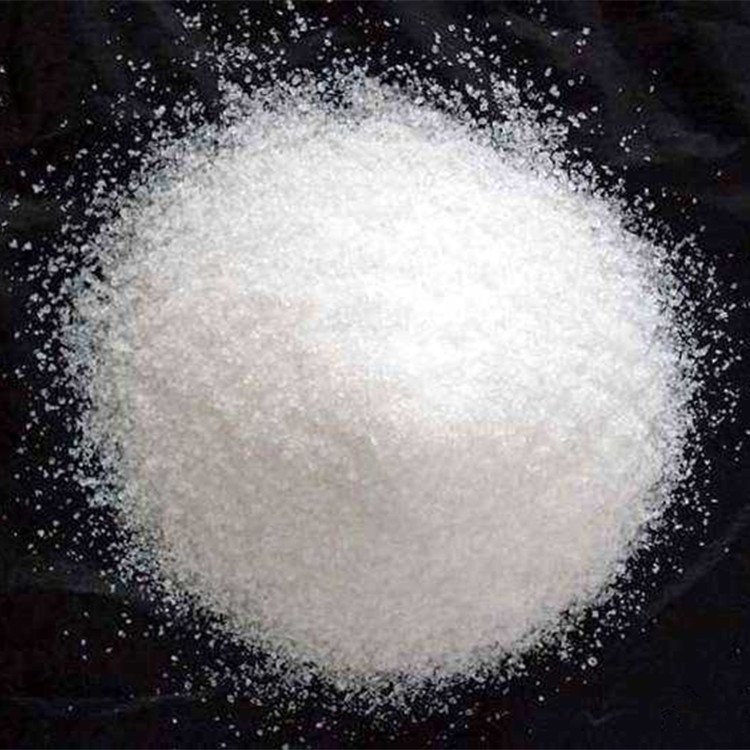
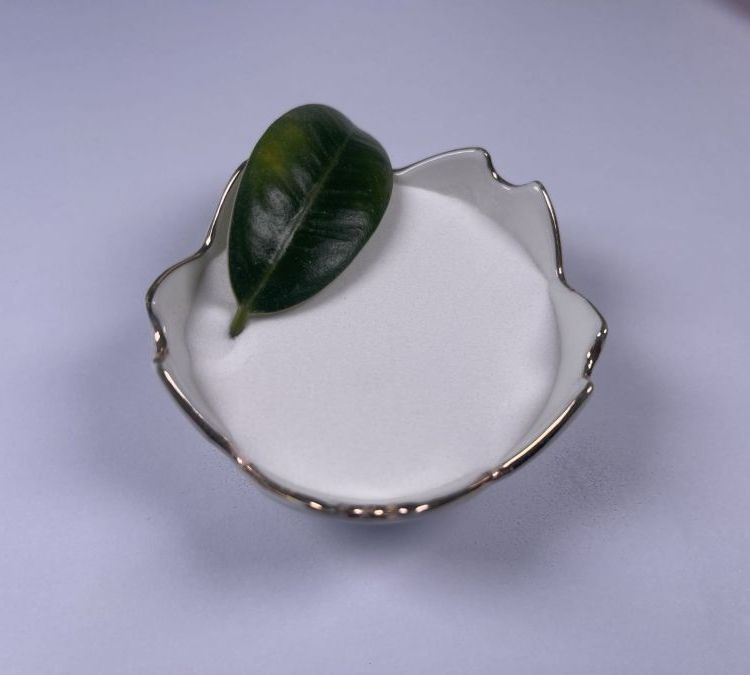
Ammonium bifluoride, with the chemical formula NH₄HF₂, is a compound that has found significant use in various cleaning applications. Its unique chemical properties make it a valuable tool for removing stubborn stains, etching surfaces, and more. In this article, we will explore in detail what ammonium bifluoride is used for in the cleaning industry.
Rust and Scale Removal
One of the primary applications of ammonium bifluoride in cleaning is for the removal of rust and scale. Rust is iron oxide that forms on the surface of iron and steel objects when they are exposed to oxygen and moisture. Scale, on the other hand, is often a buildup of minerals such as calcium carbonate and magnesium carbonate in pipes, boilers, and industrial equipment.
Ammonium bifluoride works by reacting with these rust and scale deposits. The fluoride ions in ammonium bifluoride can complex with metal ions, breaking down the chemical bonds in rust and scale. For example, in the case of rust (Fe₂O₃), the fluoride ions can react with the iron ions, forming soluble iron-fluoride complexes. This reaction effectively dissolves the rust and scale, allowing them to be easily washed away. This makes ammonium bifluoride highly effective in cleaning industrial machinery, pipelines, and even household appliances like kettles that are prone to scale buildup.

Glass Etching and Cleaning
Ammonium bifluoride is widely used in the glass industry for both etching and cleaning purposes. In glass etching, it is used to create decorative patterns or frosted effects on glass surfaces. When ammonium bifluoride comes into contact with glass (which is mainly composed of silica, SiO₂), a chemical reaction occurs. The fluoride ions react with the silica, gradually dissolving it in a controlled manner. This results in the removal of a thin layer of glass, creating a rough, frosted appearance.
For glass cleaning, ammonium bifluoride can effectively remove stubborn stains, such as hard water deposits and mineral residues. It is often used in commercial glass cleaning products for high - rise buildings, where traditional cleaners may not be sufficient to deal with the tough stains accumulated over time. However, it should be used with caution as excessive use can damage the glass surface.
Metal Surface Preparation
Before painting, plating, or coating metal surfaces, it is crucial to clean and prepare the surface properly. Ammonium bifluoride plays a significant role in this process. It can remove oxide layers, oil, and other contaminants from metal surfaces. By removing the oxide layer, it ensures better adhesion of the paint, plating, or coating. For example, in the automotive industry, before applying a new paint job to a car body, ammonium bifluoride - based cleaners may be used to clean the metal surface. This helps to prevent premature peeling or corrosion of the paint, ultimately improving the durability and appearance of the finished product.
Semiconductor and Electronics Cleaning
In the highly sensitive semiconductor and electronics industries, cleanliness is of utmost importance. Ammonium bifluoride is used to clean silicon wafers and other semiconductor materials. It can remove organic and inorganic contaminants, as well as native oxide layers on the surface of silicon. The ability to precisely control the cleaning process without causing damage to the delicate semiconductor structures makes ammonium bifluoride a preferred choice. In electronics manufacturing, it can also be used to clean circuit boards, removing flux residues and other contaminants that may affect the performance of the electronic components.

Considerations When Using Ammonium Bifluoride for Cleaning
While ammonium bifluoride offers many advantages in cleaning, it is important to note that it is a corrosive and toxic substance. Proper safety precautions must be taken when handling it. This includes wearing protective clothing, gloves, and goggles. It should be used in well - ventilated areas to avoid inhaling its fumes. Additionally, when using it for cleaning, the concentration and contact time should be carefully controlled to prevent damage to the surface being cleaned.
In conclusion, ammonium bifluoride has a wide range of applications in the cleaning industry. From removing rust and scale to preparing metal surfaces and cleaning delicate electronics components, its unique chemical properties make it a powerful cleaning agent. However, with great power comes great responsibility, and users must always exercise caution to ensure safe and effective use.