

What are the benefits of sodium tripolyphosphate?
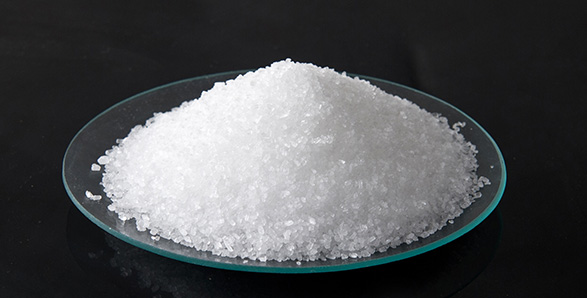
Sodium tripolyphosphate (STPP), with the chemical formula Na₅P₃O₁₀, is a versatile compound that has found extensive use in various industries due to its unique chemical and physical properties. Its benefits span across multiple sectors, making it an essential ingredient in many products and processes.

Industrial Applications
Detergent Industry
One of the primary applications of STPP is in the detergent industry. In detergents, STPP acts as a powerful water - softening agent. Hard water contains high levels of calcium and magnesium ions, which can react with soap and detergents to form insoluble precipitates, reducing the cleaning efficiency. STPP chelates these metal ions, preventing them from interfering with the surfactant action of detergents. As a result, the surfactants can work more effectively, removing dirt, oil, and stains from fabrics and surfaces. Additionally, STPP helps to keep the dirt particles suspended in the wash water, preventing them from redepositing on the cleaned items, thus enhancing the overall cleaning performance of the detergent.
Water Treatment
In water treatment processes, STPP also plays a crucial role. It is used to prevent the formation of scale in pipes and water - using equipment. By sequestering metal ions such as calcium and magnesium, STPP inhibits the precipitation of insoluble salts that can form scale deposits over time. These scale deposits can reduce the efficiency of heat transfer in boilers and other heating systems, increase energy consumption, and even cause equipment damage. By using STPP, the lifespan of water - treatment and related equipment can be significantly extended, and maintenance costs can be reduced.

Metal Treatment
STPP is employed in metal treatment processes as well. For example, in metal surface cleaning and pretreatment, it can help to remove rust, scale, and other contaminants from metal surfaces. It works by reacting with metal oxides and other impurities, making them more soluble and easier to remove. This clean surface is essential for subsequent processes such as painting, coating, and electroplating, as it ensures better adhesion and quality of the applied finishes.
Food Applications
Emulsification and Stabilization
In the food industry, STPP has several important functions. One of its key benefits is its ability to act as an emulsifier and stabilizer. In processed foods like processed meats, dairy products, and salad dressings, STPP helps to keep different components of the food mixture evenly dispersed. For instance, in processed meats, it prevents the fat from separating from the meat matrix, resulting in a more homogeneous texture and a longer shelf - life. In dairy products, it stabilizes the emulsion, preventing the cream from separating and ensuring a consistent texture and appearance.
Moisture Retention
Another significant advantage of STPP in food is its moisture - retention property. In products such as frozen foods, cured meats, and bakery items, STPP helps to hold onto water molecules. This not only improves the texture and juiciness of the food but also extends its shelf - life. For example, in frozen foods, the retained moisture prevents the formation of large ice crystals, which can damage the cell structure of the food and affect its taste and texture upon thawing. In cured meats, it helps to maintain the desired level of moisture, enhancing the flavor and tenderness.
pH Regulation
STPP can also be used for pH regulation in food products. By adjusting the pH value, it can affect the activity of enzymes, the solubility of proteins, and the overall chemical stability of the food. In some canned foods, for example, proper pH regulation using STPP helps to inhibit the growth of microorganisms and prevent spoilage, ensuring the safety and quality of the product.
In conclusion, sodium tripolyphosphate offers a wide range of benefits in both industrial and food applications. Its unique properties make it an indispensable ingredient in many products, contributing to improved performance, quality, and efficiency in various industries. However, it is also important to consider the potential environmental and health impacts associated with its use and disposal to ensure sustainable and safe utilization of this compound.