

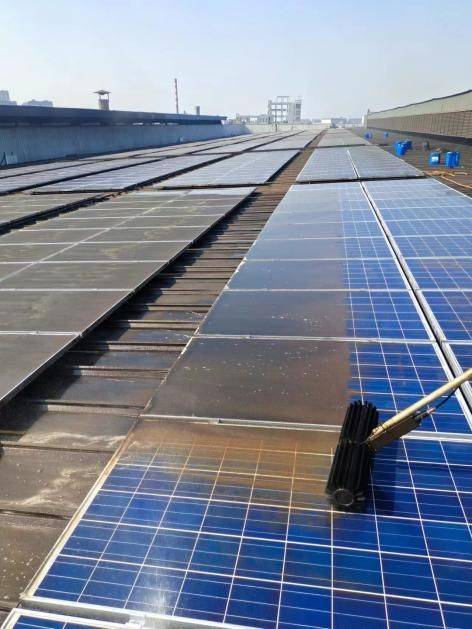
Solar panels have become an increasingly popular source of renewable energy, both for residential and commercial use. As with any equipment, proper maintenance is key to ensuring optimal performance, and this includes regular cleaning. The cleaning fluid used for solar panels plays a crucial role in maintaining their efficiency and longevity.
Types of Cleaning Fluids
Water
Water is often the simplest and safest cleaning fluid for solar panels. Most solar panel manufacturers recommend plain tap water or de - ionized water as the primary cleaning solution. When combined with a gentle scrubbing brush, water can effectively remove dust, dirt, and other debris from the surface of the panels. De - ionized water is particularly beneficial as it lacks the minerals present in tap water. Minerals in tap water can leave behind spots or deposits when the water evaporates, which may slightly reduce the panel's efficiency over time. In areas with hard water, using de - ionized water helps prevent the formation of these mineral stains.
Mild Soap Solutions
A mixture of warm water and mild soap is another common and safe option for cleaning solar panels. Dish soap, for example, is tough enough to break down and remove dirt, but gentle enough not to damage the solar cell's outer surface. The mild detergent in the soap helps to loosen grime and oily substances that may accumulate on the panels, especially in industrial or urban areas where air pollution is more prevalent. When using a soap solution, it is important to ensure that the soap is thoroughly rinsed off the panels. Residual soap can attract more dirt and may also cause streaking, which can affect the amount of sunlight the panels can absorb.
Specialized Solar Panel Cleaners
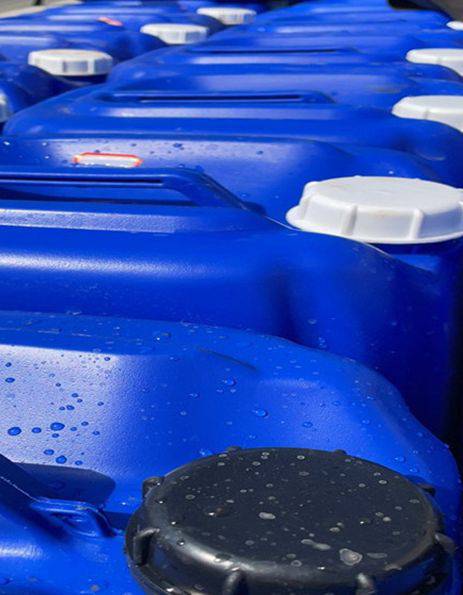
There are also commercial solar panel cleaners available on the market. These products are formulated specifically for cleaning solar panels and are designed to be effective in removing a wide range of contaminants while being gentle on the panel materials. Some specialized cleaners are designed to work in different environmental conditions. For instance, in coastal areas where salt spray can accumulate on the panels, there are cleaners that can effectively dissolve and remove the salt without corroding the panel components. These cleaners often contain surfactants and other additives that are optimized for solar panel cleaning, but they are still free of harsh chemicals that could potentially damage the panels.

What to Avoid in Cleaning Fluids
Harsh Chemicals
Avoid using cleaning fluids that contain harsh chemicals such as abrasive cleaners, alkali - based chemicals, or ammonia - based solutions. These substances can be too strong for the delicate surface of solar panels. Abrasive cleaners can scratch the surface of the panels, which not only affects their appearance but can also reduce their efficiency by interfering with the absorption of sunlight. Alkali - based and ammonia - based chemicals can react with the materials of the solar panels, potentially causing damage to the protective coatings or even the solar cells themselves. For example, ammonia can break down the sealants used in some solar panel designs, leading to moisture ingress and ultimately reducing the lifespan of the panel.
Vinegar (with Caution)
While vinegar is a natural cleaner and is often used for various household cleaning tasks, its use on solar panels should be approached with caution. Vinegar is acidic, and although it can be effective in removing some types of dirt and mineral deposits, it may also react with certain components of the solar panel if used in high concentrations or left on the surface for too long. For example, if the solar panels have aluminum frames or components, vinegar can cause corrosion over time. In general, if vinegar is used, it should be diluted significantly, and the panels should be thoroughly rinsed afterward.
Considerations for Different Panel Types
Monocrystalline and Polycrystalline Panels
Monocrystalline and polycrystalline solar panels have similar cleaning requirements. Both types are typically made of silicon and have a glass cover to protect the solar cells. For these panels, the cleaning fluids mentioned above - water, mild soap solutions, and specialized solar panel cleaners - are suitable. However, it is important to note that the glass cover on these panels can be scratched if not cleaned properly. So, using a soft - bristle brush or a non - abrasive cleaning tool is essential when applying the cleaning fluid.
Thin - Film Panels
Thin - film solar panels are made using different materials such as cadmium telluride (CdTe), copper indium gallium selenide (CIGS), or amorphous silicon. These panels may have a slightly different surface texture and composition compared to monocrystalline and polycrystalline panels. While water and mild soap solutions are generally safe for thin - film panels as well, it is advisable to check the manufacturer's recommendations. Some thin - film panels may be more sensitive to certain chemicals, and in such cases, using only de - ionized water or a very mild, specifically recommended cleaner is the best approach.
Conclusion
The choice of cleaning fluid for solar panels is an important decision that can impact the performance and lifespan of the panels. Water, mild soap solutions, and specialized solar panel cleaners are all viable options, depending on the level of dirt, the environmental conditions, and the type of solar panels. By avoiding harsh chemicals and following proper cleaning procedures, solar panel owners can ensure that their panels continue to operate efficiently and provide clean, renewable energy for years to come. Regular cleaning with the right fluid is a simple yet effective way to maximize the return on investment in solar energy systems.