

What is metal surface treatment?
Metal surface treatment, also known as metal finishing, is a crucial process in modern manufacturing and engineering that involves altering the properties and appearance of metal surfaces. This comprehensive process encompasses a wide range of techniques and methods, all aimed at enhancing the functionality, durability, and aesthetic appeal of metal products.

At its core, the primary purpose of metal surface treatment is to improve the performance of metals in various applications. Metals are widely used in countless industries, from automotive and aerospace to construction and electronics. However, their inherent properties may not always meet the specific requirements of different usage scenarios. For example, raw metals are often vulnerable to corrosion, wear, and fatigue, which can significantly reduce their lifespan and reliability. By applying appropriate surface treatment methods, these issues can be effectively mitigated, extending the service life of metal components and enhancing their overall performance.
One of the most common types of metal surface treatment is coating. Coating involves applying a thin layer of material, such as paint, powder coating, or electroplating, onto the metal surface. Paint coatings are frequently used to provide a decorative finish while also protecting the metal from environmental factors like moisture and oxygen. Powder coating, on the other hand, offers a more durable and scratch - resistant surface. Electroplating is a process where a metal is coated with another metal, typically through an electrochemical reaction. This not only improves the appearance of the metal but also enhances its corrosion resistance and hardness. For instance, silver plating can be applied to brass or copper items to give them a luxurious look and better resistance to tarnish.
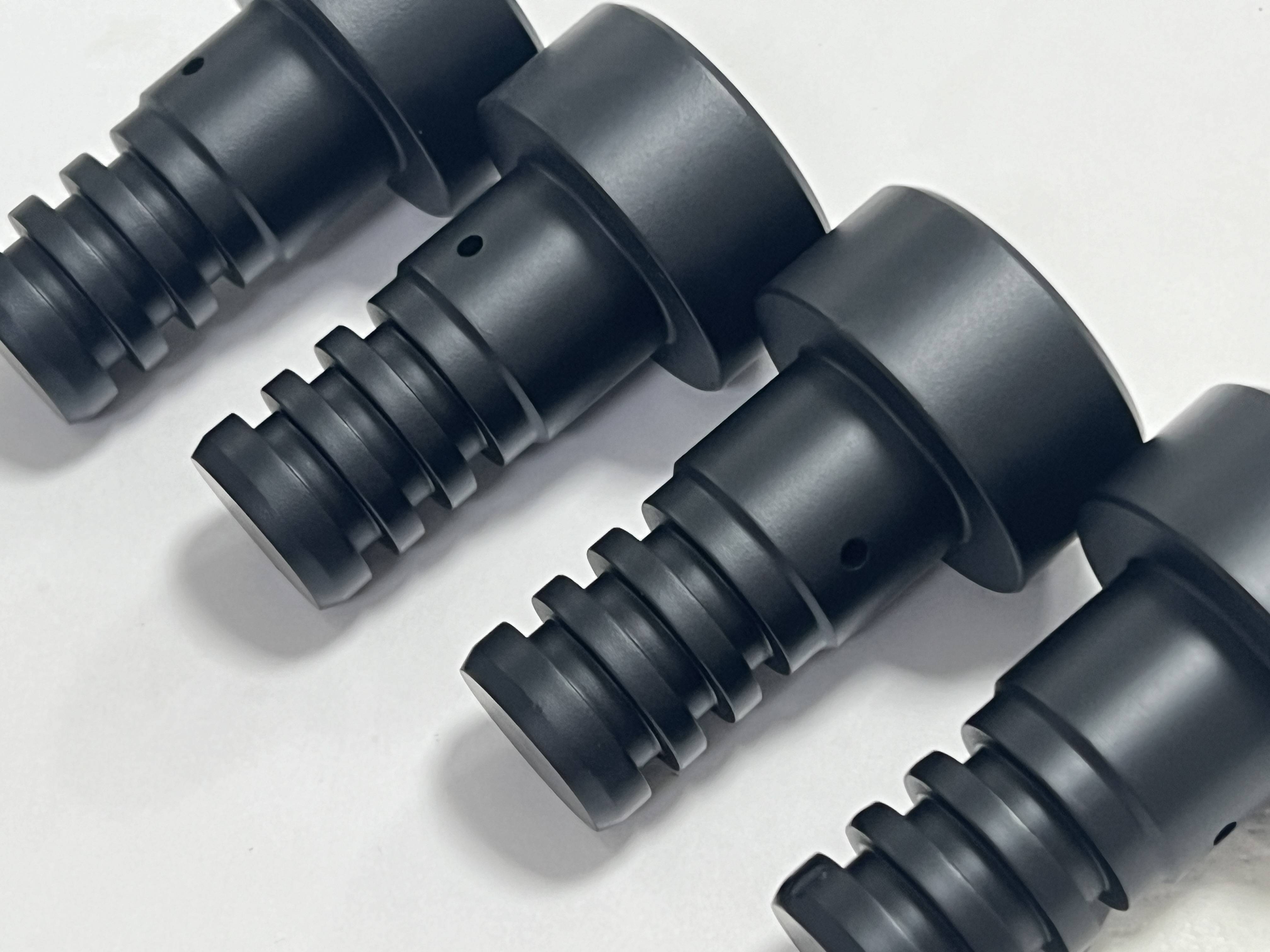
Another important aspect of metal surface treatment is surface modification. This includes processes like shot peening, heat treatment, and chemical etching. Shot peening involves propelling small spherical particles, such as steel or glass beads, at high velocity onto the metal surface. This creates a compressive stress layer on the surface, which can improve the fatigue life of the metal by preventing the formation and propagation of cracks. Heat treatment, such as annealing, quenching, and tempering, can change the microstructure of the metal, thereby altering its mechanical properties. For example, quenching can increase the hardness of steel, while annealing can make it more ductile. Chemical etching uses chemical solutions to selectively remove material from the metal surface, creating patterns or textures, and is often used in the production of printed circuit boards and decorative metal products.
In addition to functional improvements, metal surface treatment also plays a vital role in enhancing the aesthetic appeal of metal products. In the consumer goods industry, such as jewelry, watches, and household appliances, the appearance of metal components is of great importance. Through processes like polishing, buffing, and anodizing, metal surfaces can be made to look shiny, smooth, or have unique color effects. Anodizing, especially for aluminum, creates a durable oxide layer on the surface that can be dyed in a variety of colors, providing both protection and an attractive appearance.

The applications of metal surface treatment are extensive. In the automotive industry, it is used to protect car bodies from rust and corrosion, improve the wear resistance of engine components, and enhance the visual appeal of exterior and interior parts. In the aerospace sector, surface treatment is crucial for ensuring the reliability and safety of aircraft components, as they need to withstand extreme environmental conditions and high - stress loads. In the construction industry, metal surface treatment helps in making structural steel more resistant to the elements, extending the lifespan of buildings and bridges.
As technology continues to advance, the field of metal surface treatment is also evolving. New materials and innovative techniques are being developed to meet the growing demands of modern industries. For example, nanotechnology - based surface treatments are emerging, which can create ultra - thin, high - performance coatings with unique properties. These advanced treatments offer the potential for even better corrosion resistance, self - cleaning capabilities, and improved mechanical performance.
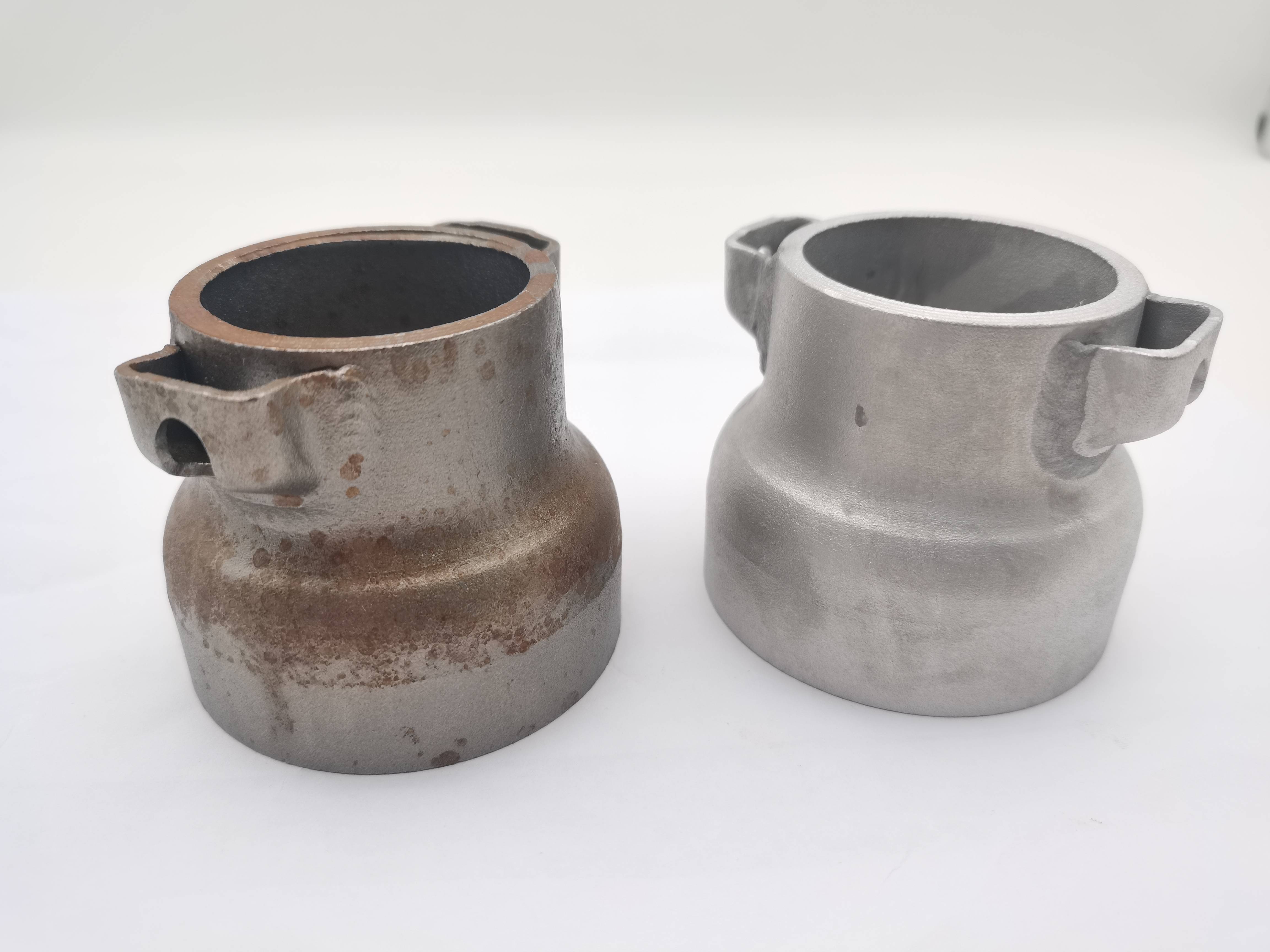
In conclusion, metal surface treatment is a multifaceted and indispensable process in the world of metals. It combines science, engineering, and art to transform raw metal surfaces into functional, durable, and visually appealing components. As industries continue to push the boundaries of innovation, the importance of metal surface treatment will only increase, driving further research and development in this fascinating field.