

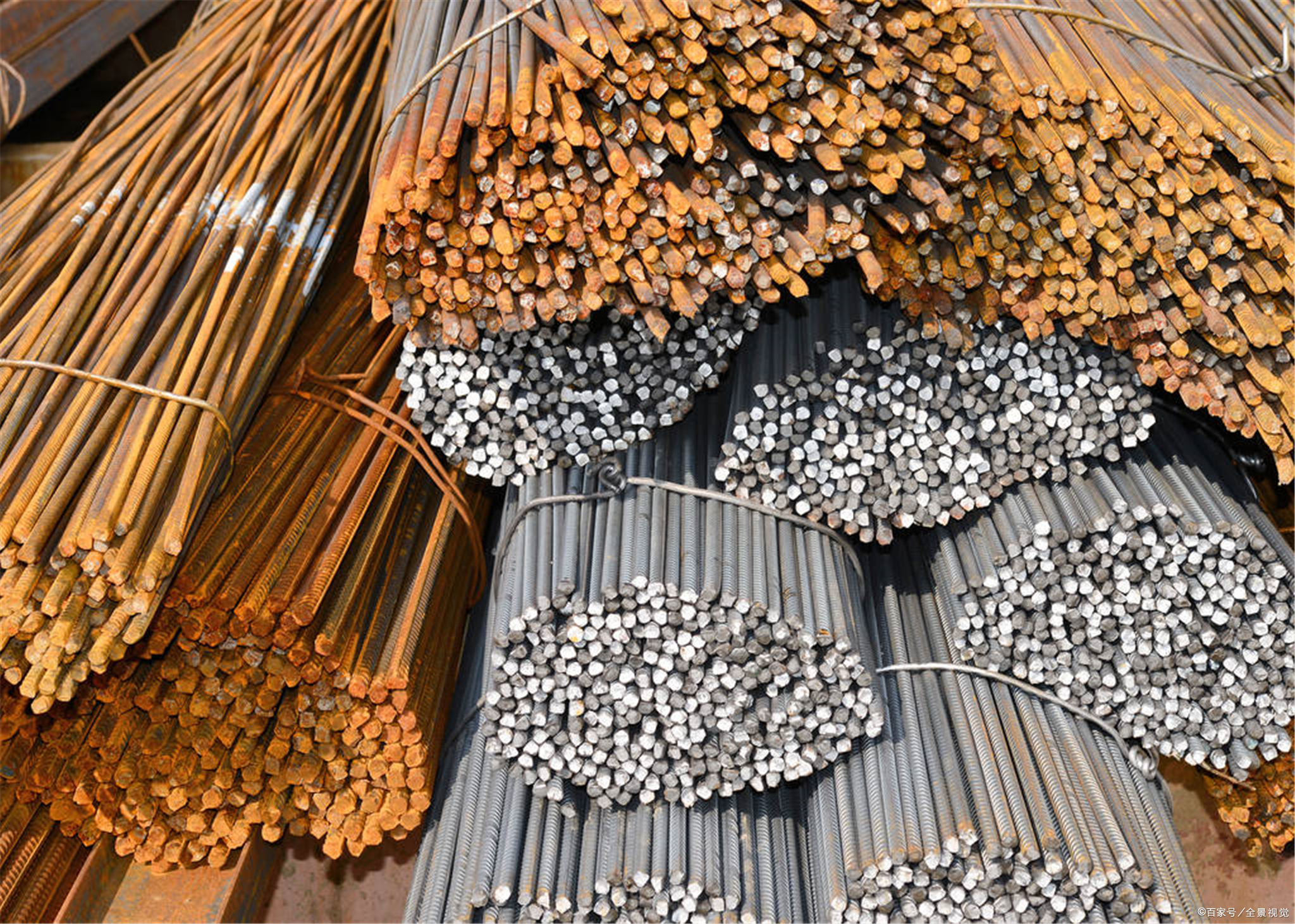
Rust, the reddish-brown scourge that plagues metal objects, is a common problem for homeowners, DIY enthusiasts, and industrial workers alike. It not only affects the appearance of metal but also weakens its structural integrity, leading to potential safety hazards. To combat rust, a variety of rust removers are available on the market, each with its own unique properties and effectiveness. In this article, we will explore different types of rust removers and determine which one is the most effective.

Understanding Rust
Before delving into rust removers, it is essential to understand what rust is and how it forms. Rust is a form of iron oxide that occurs when iron or steel comes into contact with oxygen and moisture. This chemical reaction, known as oxidation, gradually eats away at the metal, causing it to deteriorate. Factors such as humidity, saltwater, and acidic substances can accelerate the rusting process. Understanding the causes of rust can help in choosing the right rust remover for a specific situation.
Types of Rust Removers
Chemical Rust Removers
Chemical rust removers are some of the most popular options available. They typically contain acids or chelating agents that dissolve or break down the rust. Phosphoric acid, for example, is a common ingredient in many rust removers. It reacts with the iron oxide to form iron phosphate, which is a stable compound that can be easily rinsed away.
One of the advantages of chemical rust removers is their effectiveness. They can quickly and efficiently remove heavy rust deposits from a variety of metal surfaces. However, they also come with some drawbacks. Many chemical rust removers are toxic and can be harmful to the environment if not used and disposed of properly. They may also cause skin irritation and respiratory problems if inhaled or come into contact with the skin. Additionally, some chemical rust removers can damage the underlying metal if left on for too long or used in excessive amounts.
Mechanical Rust Removers
Mechanical rust removers, on the other hand, rely on physical force to remove rust. This includes methods such as sandblasting, wire brushing, and scraping. Sandblasting uses high - pressure streams of sand or other abrasive materials to blast away the rust. Wire brushing and scraping involve using tools to physically scrub or scrape the rust off the metal surface.
The main advantage of mechanical rust removers is that they are generally more environmentally friendly compared to chemical rust removers. They do not involve the use of harsh chemicals, reducing the risk of pollution. However, mechanical rust removal can be a time - consuming and labor - intensive process, especially for large or heavily rusted surfaces. It can also leave scratches or damage the metal if not done carefully, and in the case of sandblasting, it can create a lot of dust, which may be a health hazard if proper safety equipment is not used.
Natural Rust Removers
In recent years, there has been a growing interest in natural rust removers due to their eco - friendly nature. Common natural rust removers include vinegar, lemon juice, and baking soda. Vinegar, which contains acetic acid, can dissolve rust over time. Lemon juice, with its citric acid content, has similar rust - removing properties. Baking soda can be used as a mild abrasive when mixed with water to scrub away rust.
Natural rust removers are safe to use around the house, non - toxic, and affordable. They are a great option for small - scale rust removal projects, such as cleaning rusty tools or small metal objects. However, they are generally less powerful than chemical or mechanical rust removers. Removing heavy rust deposits with natural rust removers may take a significant amount of time and repeated applications.
Factors Affecting Effectiveness
The effectiveness of a rust remover depends on several factors. The type and severity of the rust are crucial. Light surface rust can often be removed easily with a mild rust remover, while heavy, thick rust deposits may require a more powerful chemical or mechanical approach.
The type of metal also plays a role. Different metals react differently to rust removers. For example, some chemical rust removers may be too harsh for delicate metals like aluminum and can cause corrosion. Additionally, the surface condition of the metal, such as whether it is painted or coated, needs to be considered. Using the wrong rust remover on a painted surface can damage the paint, leading to additional repair work.

Determining the Most Effective Rust Remover
So, what is the most effective rust remover? The answer is not straightforward, as it depends on the specific circumstances of the rust removal project.
For large - scale industrial applications or heavily rusted metal surfaces, chemical rust removers are often the most effective option. Their strong acidic or chelating properties can quickly dissolve thick rust deposits, saving time and effort. However, strict safety precautions and proper disposal methods must be followed to minimize the environmental and health risks.
In situations where environmental friendliness is a top priority, or for small - scale, light - rust removal tasks around the house, natural rust removers can be a great choice. They are safe, cost - effective, and can handle minor rust problems with patience and repeated use.
Mechanical rust removers are ideal when dealing with surfaces where chemicals may not be suitable, such as on metal with a risk of chemical damage. They are also useful for preparing metal surfaces for painting or coating after rust removal, as they can provide a clean, rough surface for better adhesion.
In conclusion, the most effective rust remover depends on the nature of the rust, the type of metal, and the specific requirements of the project. By understanding the different types of rust removers and the factors that affect their effectiveness, one can make an informed decision and choose the rust remover that best suits their needs. Whether it's a powerful chemical solution, a hands - on mechanical approach, or a natural home remedy, there is a rust remover out there to tackle every rust problem.