

Stainless steel is widely used in industries such as petrochemicals, food machinery, aerospace, and medical devices due to its excellent corrosion resistance, which mainly comes from the dense chromium oxide (Cr₂O₃) passive film on its surface. However, during processing procedures like welding, rolling, stamping, and heat treatment, the surface of stainless steel is prone to forming oxide scales (composed of oxides of iron, chromium, and nickel), weld spatter, oil stains, and thermal influence zones. These defects damage the original passive film, leading to localized corrosion such as pitting and crevice corrosion, thus reducing the material's service life. To solve this problem, two key surface treatment technologies-acid pickling and passivation-are commonly used. Although both aim to optimize the surface performance of stainless steel, their functional orientations, chemical mechanisms, and application scenarios are significantly different. Meanwhile, Metal pickling passivation paste, as a convenient and efficient treatment material, plays a crucial role in both processes. This article will systematically analyze the differences between acid pickling and passivation of stainless steel, with a focus on the application characteristics of Metal pickling passivation paste.
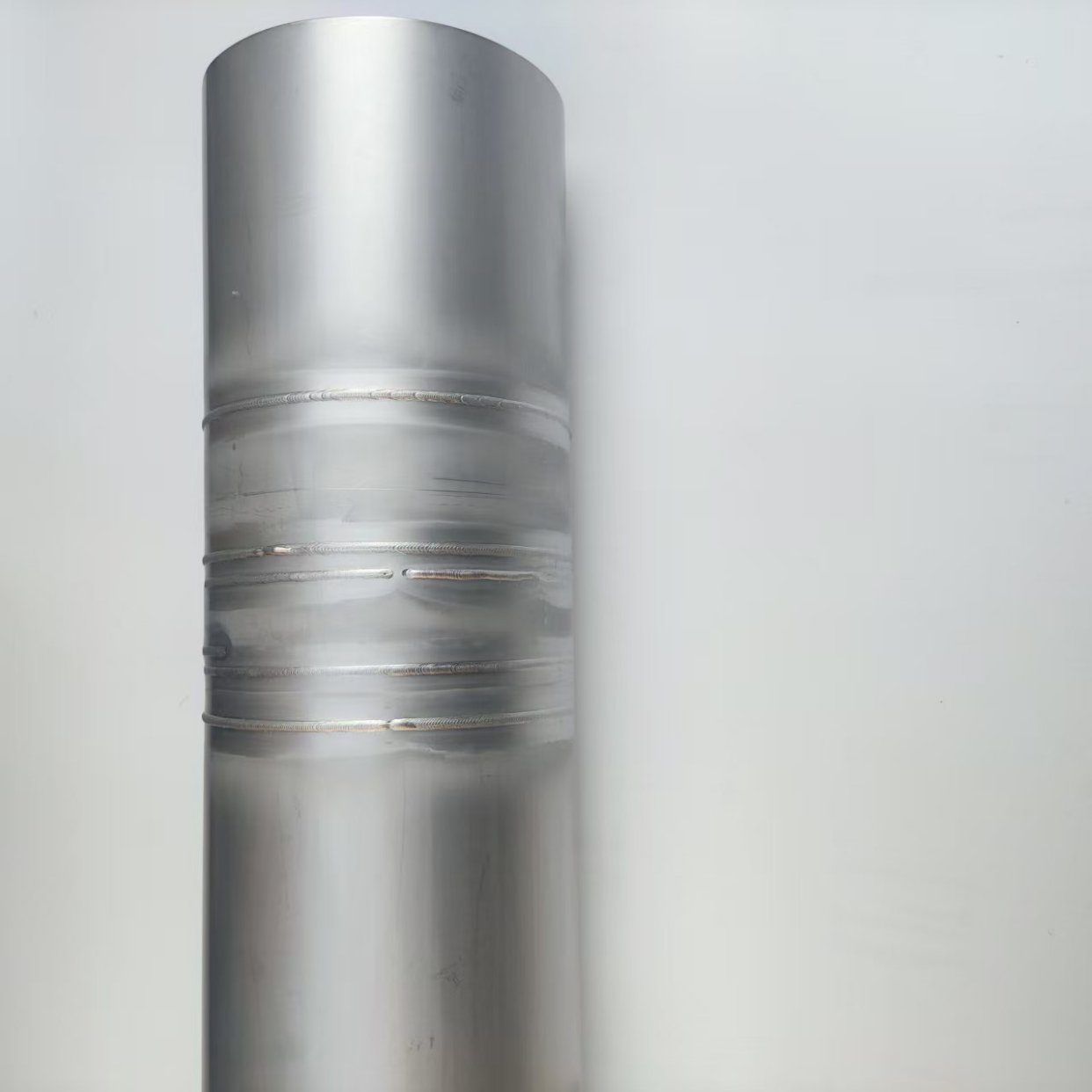
Stainless Steel Acid Pickling and the Application of Metal pickling passivation paste
Acid pickling is a core surface cleaning technology for stainless steel, mainly used to remove surface impurities and defects. The rational application of Metal pickling passivation paste can significantly improve the efficiency and quality of acid pickling.
Definition and Core Objectives of Acid Pickling
Stainless steel acid pickling refers to a chemical treatment process that uses acidic media (liquid or paste) to dissolve and remove oxide scales, rust products, weld spatter, oil stains, and other impurities on the stainless steel surface through chemical reactions. Its core objectives are: first, to clean the surface, eliminating the defects caused by oxide scales (such as surface roughness and unevenness); second, to remove the "active sites" that may cause corrosion (such as residual iron particles and micro-scratches); third, to lay a smooth and clean foundation for subsequent passivation or other surface treatments (such as coating and electroplating). It should be emphasized that acid pickling itself does not directly improve the corrosion resistance of stainless steel; instead, it creates favorable conditions for the formation of a high-quality passive film in the subsequent passivation process.
Chemical Reaction Mechanism of Acid Pickling
The oxide scale on the stainless steel surface is a complex mixture, mainly including Fe₃O₄, FeO·Cr₂O₃, NiO·Cr₂O₃, and Cr₂O₃. These oxides have different chemical stabilities and can react with acidic media to form soluble substances, thereby achieving the purpose of removal. For example:
Iron oxides (Fe₃O₄, FeO) react with dilute nitric acid: 3FeO + 10HNO₃ (dilute) = 3Fe(NO₃)₃ + NO↑ + 5H₂O; Fe₃O₄ + 8HNO₃ (dilute) = 3Fe(NO₃)₃ + NO↑ + 4H₂O.
Chromium oxides (Cr₂O₃) react with hydrofluoric acid: Cr₂O₃ + 6HF = 2CrF₃ + 3H₂O (hydrofluoric acid can effectively dissolve chromium oxides that are difficult to react with other acids).
Nickel oxides (NiO) react with sulfuric acid: NiO + H₂SO₄ = NiSO₄ + H₂O.
During the acid pickling process, a small amount of the stainless steel matrix will also dissolve (a phenomenon called "matrix etching"), but this dissolution is controllable. By adding corrosion inhibitors to the acidic medium, the dissolution rate of the matrix can be reduced to less than 0.1g/m²·h, avoiding "over-pickling" (surface pitting and roughness caused by excessive matrix dissolution).
Standard Process Flow of Acid Pickling for Stainless Steel
The standard acid pickling process for stainless steel includes five key steps, and each step needs to be strictly controlled to ensure the treatment effect:
Pretreatment: First, use alkaline cleaning agents (such as sodium hydroxide solution with a concentration of 5-10%) or organic solvents (such as ethanol) to remove oil stains on the surface-oil stains will form a barrier between the acid and oxide scales, affecting the pickling effect. Then, rinse the surface with flowing water to remove residual cleaning agents, and dry the surface with a clean cloth.
Acid Pickling: Apply or immerse the stainless steel workpiece in an acidic medium (liquid or paste). For workpieces with complex shapes (such as pipes, valves, and weld joints), paste-like media (Metal pickling passivation paste) are preferred. Control the temperature (usually 20-50℃) and time (15-60 minutes) according to the thickness of the oxide scale-thicker oxide scales require higher temperatures and longer times.
Rinsing: After the pickling reaction is completed, rinse the workpiece with a large amount of flowing water or deionized water to remove residual acid solution and dissolved oxide products. The rinsing time should be at least 5-10 minutes, and the pH value of the rinsing water should be tested with pH test paper until it is neutral (pH 6-7).
Neutralization (optional): If the residual acid on the surface is difficult to rinse thoroughly (such as in narrow gaps), immerse the workpiece in a weak alkaline solution (such as sodium carbonate solution with a concentration of 3-5%) for 5-10 minutes to neutralize the residual acid, and then rinse again with water.
Drying: Dry the workpiece immediately after rinsing-use natural air drying, hot air drying (temperature ≤80℃), or wipe drying with a clean cloth. Moisture residue on the surface will easily cause "secondary rust" (the clean surface is highly active and prone to oxidation in a humid environment).
Specific Application Methods of Metal pickling passivation paste in Acid Pickling
Metal pickling passivation paste is a paste-like mixture composed of inorganic acids (nitric acid, hydrofluoric acid, sulfuric acid), corrosion inhibitors (such as urotropine, thiourea), thickeners (such as sodium carboxymethyl cellulose), and stabilizers. Compared with liquid acid pickling, it has obvious advantages: good adhesion (suitable for vertical, inclined, and complex-shaped workpieces, avoiding acid solution flow), controllable reaction rate (thickeners slow down the diffusion of acid molecules), and strong matrix protection (high-content corrosion inhibitors reduce over-pickling). Its specific application methods are as follows:
Paste Selection: Select the appropriate type of Metal pickling passivation paste according to the stainless steel grade. For example, 304 stainless steel (Cr: 18-20%, Ni: 8-11%) can use a paste with a nitric acid concentration of 15-20% and a hydrofluoric acid concentration of 2-3%; 316 stainless steel (containing molybdenum) needs a paste with a higher hydrofluoric acid concentration (3-5%) to dissolve molybdenum oxides.
Paste Application: Use a plastic or stainless steel scraper (avoid using iron scrapers to prevent iron particle contamination) to evenly apply the paste on the surface to be treated, with a thickness of 1-3mm. For areas with thick oxide scales (such as weld joints), increase the thickness to 2-3mm and extend the reaction time appropriately.
Reaction Control: At room temperature (20-30℃), the reaction time is generally 15-40 minutes. If the ambient temperature is lower than 15℃, cover the paste surface with a plastic film to keep warm, or heat the workpiece to 30-50℃ (use a hot air blower) to accelerate the reaction. During the reaction, observe the surface color change-when the oxide scale turns black and falls off, and the surface shows a uniform silvery white, the reaction can be terminated.
Post-treatment: Use a high-pressure water gun (water pressure: 0.2-0.3MPa) to rinse the residual paste and dissolved products, and then dry the surface immediately. For workpieces with strict surface quality requirements (such as food machinery), wipe the surface with absolute ethanol after drying to remove residual impurities.
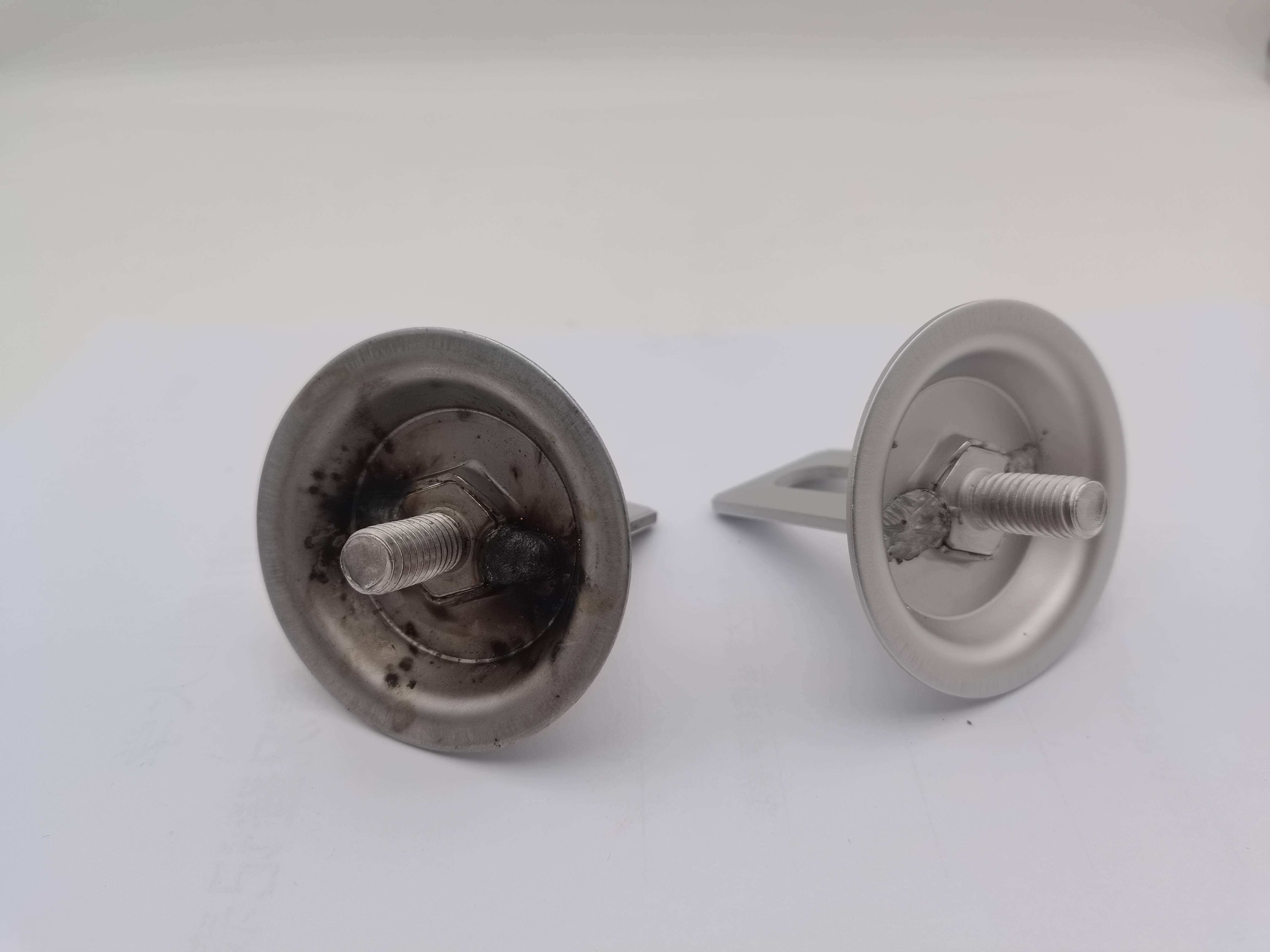
Stainless Steel Passivation and the Utilization of Metal pickling passivation paste
Passivation is a key surface protection technology for stainless steel, which can significantly improve corrosion resistance by forming a dense passive film. The scientific utilization of Metal pickling passivation paste is the key to ensuring the quality of the passive film.
Definition and Core Objectives of Passivation
Stainless steel passivation refers to a chemical treatment process that forms a dense, stable, and well-adhered oxide film (mainly Cr₂O₃) on the clean surface of stainless steel under specific conditions (acidic or oxidizing environment). Its core objectives are: first, to repair the passive film damaged during processing (such as welding and stamping); second, to increase the thickness and density of the passive film (from the original 2-3nm to 5-10nm); third, to improve the resistance to localized corrosion (pitting, crevice corrosion) and general corrosion (uniform corrosion) of stainless steel, extending the service life of the product. Unlike acid pickling, passivation does not remove surface impurities but requires the surface to be clean (usually after acid pickling) to ensure the continuity and uniformity of the passive film.
Formation Mechanism of Stainless Steel Passivation Film
The formation of the stainless steel passive film is based on the "selective oxidation and enrichment" of chromium. Stainless steel contains more than 10.5% chromium, which has a stronger affinity for oxygen than iron and nickel. In an oxidizing environment (such as a nitric acid solution), the following reactions occur on the surface:
Oxidation of Chromium: 4Cr + 3O₂ = 2Cr₂O₃ (chromium in the matrix is oxidized to form Cr₂O₃).
Dissolution of Active Metals: The acidic environment dissolves a small amount of active metals (iron, nickel) on the surface, making the chromium content on the surface relatively enriched (the chromium content in the passive film is more than 30%, while the matrix chromium content is only 10.5-20%).
Film Formation and Stabilization: The Cr₂O₃ molecules form a dense hexagonal crystal structure, which is tightly combined with the matrix. This structure can effectively block the penetration of corrosive ions (such as Cl⁻, SO₄²⁻) and prevent the matrix from being corroded.
The stability of the passive film is closely related to the chromium content and environmental conditions. A higher chromium content in the film leads to better stability; in addition, the passive film is more stable in neutral and weakly alkaline environments, while it is easily destroyed in strong acidic or reducing environments (such as hydrochloric acid, sulfuric acid without oxidants).
Common Process Steps of Passivation
The common passivation process for stainless steel includes four key steps, and each step needs to be matched with appropriate process parameters to ensure the quality of the passive film:
Pretreatment: First, perform acid pickling on the workpiece to remove oxide scales, weld spatter, and oil stains (if the surface is already clean, such as cold-rolled stainless steel sheets, acid pickling can be omitted). Then, rinse the surface with deionized water to remove residual acid solution, and dry the surface with a clean cloth-moisture will affect the uniformity of the passive film.
Passivation: Immerse the workpiece in a passivator (liquid or paste) or apply the passivator on the surface. For small workpieces with simple shapes, liquid passivators (such as nitric acid solution with a concentration of 10-20%) are used; for large or complex workpieces, Metal pickling passivation paste is preferred. Control the temperature (usually 20-40℃) and time (20-60 minutes)-higher temperatures can shorten the passivation time, but excessive temperatures (above 50℃) will cause the oxidant in the passivator to decompose.
Rinsing: After the passivation reaction is completed, rinse the workpiece with deionized water (avoid using tap water, which contains Cl⁻ that may damage the passive film) for 5-10 minutes to remove residual passivator. The rinsing water should be tested with a conductivity meter, and the conductivity should be less than 50μS/cm to ensure no residual impurities.
Sealing and Drying (optional): For workpieces used in harsh environments (such as marine engineering), a silane sealing agent can be applied on the passive film to further improve corrosion resistance. Then, dry the workpiece at room temperature or low temperature (≤60℃) to avoid high-temperature aging of the passive film.
Practical Application Skills of Metal pickling passivation paste in Passivation
The Metal pickling passivation paste used for passivation is different from that used for acid pickling in composition: it has a lower acid concentration (nitric acid: 5-15%), a higher oxidant content (such as sodium nitrate: 5-10%, potassium dichromate: 2-5%), and added film-forming accelerators (such as citric acid, oxalic acid). These components can promote the formation of a dense Cr₂O₃ film while avoiding matrix corrosion. Its practical application skills are as follows:
Surface Preparation Check: Before passivation, check the surface of the workpiece with the naked eye-there should be no oxide scales, oil stains, or iron particles. If there are local defects (such as small scratches), use fine sandpaper (400-600 mesh) to polish the surface, and then clean it with ethanol.
Paste Coating: Use a clean brush to evenly apply the passivation paste on the surface, with a thickness of 1-2mm (too thick will cause waste, and too thin will lead to uneven film formation). For narrow gaps (such as flange connections), use a small brush to fill the paste into the gaps to ensure that the passivation reaction is sufficient.
Reaction Condition Control: The passivation reaction is carried out at room temperature (20-30℃), and the time is generally 20-50 minutes. During the reaction, avoid touching the paste with hands or other objects to prevent contamination. For workpieces requiring high corrosion resistance (such as medical devices), the passivation time can be extended to 60 minutes, and the temperature can be controlled at 30-35℃ to improve the film density.
Post-passivation Inspection: After rinsing and drying, inspect the passive film: first, the surface should be uniform silvery white or light blue, with no spots or color differences; second, use the "droplet test" to check-drop a 5% copper sulfate solution on the surface, and no red copper precipitation should occur within 5 minutes; third, use the neutral salt spray test (GB/T 10125) to test the corrosion resistance, and no rust should occur within 48 hours.

Comparative Analysis of Acid Pickling and Passivation with a Focus on Metal pickling passivation paste
Acid pickling and passivation are two complementary but distinct surface treatment technologies. Their differences are reflected in functional orientation, chemical mechanism, surface changes, and other aspects, and the application of Metal pickling passivation paste also shows obvious differences.
Difference in Functional Orientation
The core function of acid pickling is "removal"-it focuses on removing surface impurities (oxide scales, weld spatter, oil stains) and defects (micro-scratches, iron particle contamination), achieving the goal of surface cleaning. It is a "preparatory process" for improving surface performance. For example, after welding stainless steel pipes, the weld joint will form a thick oxide scale, which must be removed by acid pickling before passivation; otherwise, the passive film cannot be formed on the oxide scale.
The core function of passivation is "formation"-it focuses on forming a dense passive film on the clean surface, improving the corrosion resistance of stainless steel. It is a "protective process" for enhancing surface performance. For example, cold-rolled stainless steel sheets have a clean surface (no thick oxide scales), so they can be directly passivated without acid pickling to form a protective film.
Difference in Chemical Reaction Essence
Acid pickling is a "dissolution reaction"-the acidic medium in the Metal pickling passivation paste reacts with surface oxides and impurities to form soluble substances (such as Fe(NO₃)₃, CrF₃), which are removed by rinsing. During the reaction, a small amount of the matrix is dissolved, but this dissolution is controlled by corrosion inhibitors. The reaction formula is mainly "oxide + acid → soluble salt + water + gas" (such as FeO + HNO₃ → Fe(NO₃)₃ + NO↑ + H₂O).
Passivation is an "oxidation reaction"-the oxidant in the Metal pickling passivation paste oxidizes the chromium on the surface of the stainless steel matrix to form a Cr₂O₃ passive film. During the reaction, the matrix is almost not dissolved, and the main change is the "selective oxidation and enrichment" of chromium. The reaction formula is mainly "chromium + oxidant → Cr₂O₃" (such as 4Cr + 3NO₃⁻ + 6H⁺ = 2Cr₂O₃ + 3NO↑ + 3H₂O).
Difference in Surface Morphology and Composition Changes
After acid pickling, the surface morphology of stainless steel changes significantly: the oxide scales and impurities are completely removed, the surface roughness is reduced (the Ra value is reduced from 1.6μm to 0.8μm), and the surface becomes smooth and uniform. The surface composition is basically the same as that of the matrix (chromium content: 10.5-20%, nickel content: 8-14%), and there is no obvious element enrichment. However, if over-pickling occurs, the surface will appear tiny pits (diameter: 0.1-0.5mm), which will affect the surface finish.
After passivation, the surface morphology of stainless steel basically remains unchanged (consistent with the clean surface before passivation), and the surface roughness (Ra value) does not increase. The main change is the surface composition: a dense Cr₂O₃ passive film (thickness: 5-10nm) is formed on the surface, and the chromium content in the film is more than 30% (tested by EDS energy spectrum analysis). This chromium-enriched layer is the key to improving corrosion resistance. In addition, the passive film has a semiconductor property, which can block the transfer of electrons between the matrix and the corrosive medium, thereby inhibiting corrosion.
Difference in Corrosion Resistance Enhancement Effect
Acid pickling itself does not improve the corrosion resistance of stainless steel. On the contrary, after acid pickling, the surface of stainless steel is in an "active state" (the original passive film is removed, and the matrix is exposed), and if passivation is not performed in time (within 2 hours), the surface is prone to secondary rust (red rust spots appear within 24 hours in a humid environment). The role of acid pickling in improving corrosion resistance is indirect-it provides a clean surface for passivation, ensuring that the passive film can be uniformly and continuously formed.
Passivation can directly and significantly improve the corrosion resistance of stainless steel. The dense Cr₂O₃ passive film can effectively block the penetration of corrosive ions. Taking 304 stainless steel as an example: the neutral salt spray test time of unpassivated 304 stainless steel is only 24 hours (rust appears), while after passivation, the neutral salt spray test time can be extended to 48-96 hours (no rust). In addition, passivation can also improve the resistance to organic acids (such as acetic acid, citric acid) and alkaline solutions (such as sodium hydroxide solution), making stainless steel suitable for more harsh application environments.
Difference in the Use of Metal pickling passivation paste
The differences in the use of Metal pickling passivation paste in acid pickling and passivation are mainly reflected in five aspects:
Composition Difference: The acid pickling paste has a high acid concentration (nitric acid: 15-25%, hydrofluoric acid: 2-5%), a high corrosion inhibitor content (3-5%), and a low oxidant content (≤1%); the passivation paste has a low acid concentration (nitric acid: 5-15%), a high oxidant content (5-10%), and contains film-forming accelerators (2-3%, such as citric acid).
Role Difference: The acid pickling paste mainly plays the role of "dissolving oxide scales" and "protecting the matrix"-the high-concentration acid dissolves the oxide scales, and the corrosion inhibitor prevents over-pickling; the passivation paste mainly plays the role of "oxidizing chromium" and "promoting film formation"-the oxidant oxidizes chromium to form Cr₂O₃, and the film-forming accelerator improves the density of the passive film.
Reaction Time Difference: The reaction time of the acid pickling paste is longer (15-40 minutes) because it needs to fully dissolve the oxide scales (especially thick oxide scales); the reaction time of the passivation paste is relatively shorter (20-50 minutes), and the passive film can be formed quickly under the action of the oxidant.
Post-treatment Difference: After using the acid pickling paste, the workpiece must be rinsed thoroughly (using high-pressure water) and optionally neutralized to remove residual acid and dissolved products; after using the passivation paste, the workpiece only needs to be rinsed with deionized water (no neutralization required) to avoid damaging the passive film with alkaline solutions.
Applicable Workpiece Difference: The acid pickling paste is suitable for workpieces with thick oxide scales and more impurities (such as welded parts, heat-treated parts, and forged parts); the passivation paste is suitable for workpieces with clean surfaces (such as acid-pickled parts, cold-rolled parts, and polished parts).
Application Scenarios of Acid Pickling and Passivation: Matching with Metal pickling passivation paste Performance
The selection of acid pickling and passivation processes depends on the application scenario of stainless steel, and the type of Metal pickling passivation paste needs to be matched with the performance requirements of the scenario.
Application in Petrochemical Industry
In the petrochemical industry, stainless steel is mainly used to manufacture pipelines, storage tanks, and reactors, which are in contact with corrosive media such as crude oil, natural gas, and organic solvents for a long time. The key requirements for surface treatment are: removing weld oxide scales (to avoid corrosion at weld joints) and improving resistance to organic acid corrosion.
Process Selection: Welded pipelines and storage tanks need to be pickled first (to remove weld oxide scales and 焊 spatter) and then passivated (to form a corrosion-resistant passive film); cold-rolled plates for reactors can be directly passivated (no thick oxide scales).
Metal pickling passivation paste Matching: Choose acid pickling paste with high hydrofluoric acid content (3-5%) to dissolve the chromium-rich oxide scales at weld joints; choose passivation paste with high oxidant content (8-10% sodium nitrate) to improve the resistance to organic acids. For example, in the treatment of 316L stainless steel pipelines for crude oil transportation, the acid pickling paste (nitric acid: 20%, hydrofluoric acid: 4%) is used for 30 minutes, and then the passivation paste (nitric acid: 12%, sodium nitrate: 9%) is used for 40 minutes, which can ensure that the pipeline has no corrosion for more than 5 years.
Application in Food Machinery Industry
In the food machinery industry, stainless steel is used to manufacture food mixers, storage tanks, and conveyor belts, which are in contact with food and food additives (such as acetic acid, citric acid) and require compliance with food safety standards (such as GB 4806.1). The key requirements for surface treatment are: no heavy metal residues (such as Cr⁶⁺) and smooth surface (to avoid food residue).
Process Selection: Welded parts (such as mixer tanks) need to be pickled (to remove oxide scales and oil stains) and then passivated; cold-rolled conveyor belts can be directly passivated (to maintain surface smoothness).
Metal pickling passivation paste Matching: Choose lead-free and chromium-free acid pickling paste (nitric acid: 15-18%, hydrofluoric acid: 2-3%) to avoid heavy metal residues; choose food-grade passivation paste (nitric acid: 8-10%, citric acid: 3%) that meets GB 4806.1. For example, in the treatment of 304 stainless steel food storage tanks, the acid pickling paste is used for 20 minutes (removing weld oxide scales), and then the food-grade passivation paste is used for 30 minutes, which can ensure that the tank meets food safety requirements and has no corrosion when in contact with fruit juices.
Application in Aerospace Field
In the aerospace field, stainless steel is used to manufacture engine parts, spacecraft structural parts, and fuel pipelines, which require high surface precision and resistance to harsh environments (low temperature, high radiation, and fuel corrosion). The key requirements for surface treatment are: no over-pickling (to ensure dimensional accuracy) and high-density passive film (to resist fuel corrosion).
Process Selection: Precision parts (such as engine valves) need to be lightly pickled (to remove slight oxide scales) and then passivated; structural parts with complex shapes (such as spacecraft frames) need to be pickled with paste and then passivated.
Metal pickling passivation paste Matching: Choose low-acid concentration acid pickling paste (nitric acid: 12-15%, hydrofluoric acid: 1-2%) to avoid over-pickling and ensure dimensional accuracy; choose high-purity passivation paste (nitric acid: 10-12%, potassium permanganate: 3-4%) to form a high-density passive film. For example, in the treatment of 17-4PH stainless steel engine parts, the low-acid pickling paste is used for 15 minutes, and then the high-purity passivation paste is used for 25 minutes, which can ensure that the parts have no dimensional changes and can resist aviation fuel corrosion for a long time.
Application in Medical Device Industry
In the medical device industry, stainless steel is used to manufacture surgical instruments, implantable devices (such as artificial joints), and medical containers, which require strict biocompatibility (no cytotoxicity) and corrosion resistance (to resist body fluid corrosion). The key requirements for surface treatment are: no impurity residues (such as oil stains, acid residues) and dense passive film (to avoid metal ion release).
Process Selection: Surgical instruments (such as scalpels) need to be pickled (to remove processing oxide scales) and then passivated; implantable devices (such as artificial joints) need to be pickled, passivated, and sealed (to further improve corrosion resistance).
Metal pickling passivation paste Matching: Choose high-purity acid pickling paste (nitric acid: 18-20%, hydrofluoric acid: 2-3%) with no heavy metal impurities; choose biocompatible passivation paste (nitric acid: 8-10%, hydrogen peroxide: 5-6%) that meets ISO 10993. For example, in the treatment of 316L stainless steel artificial joints, the high-purity acid pickling paste is used for 25 minutes, then the biocompatible passivation paste is used for 40 minutes, and finally a silane sealing agent is applied, which can ensure that the joint has no cytotoxicity and can resist body fluid corrosion for more than 10 years.
Safety and Quality Control in Acid Pickling and Passivation: Key Points of Metal pickling passivation paste Use
The acid pickling and passivation processes involve corrosive media (Metal pickling passivation paste), so strict safety protection and quality control are required to ensure the safety of operators and the stability of treatment effects.
Safety Protection Measures for Operators
Metal pickling passivation paste contains strong acids (nitric acid, hydrofluoric acid) and oxidants, which are corrosive and irritating. Operators must take the following safety protection measures:
Personal Protective Equipment (PPE): Wear acid-resistant overalls (made of neoprene material), acid-resistant gloves (thickness ≥0.5mm, made of nitrile rubber), chemical splash goggles (with anti-fog function), and a half-face gas mask (equipped with acid gas filter cartridges, suitable for nitric acid and hydrofluoric acid vapors). For operations with a large amount of acid mist, a full-face gas mask should be worn.
Operation Specifications: Avoid direct contact between the skin and the paste-if the paste is accidentally splashed on the skin, immediately rinse with a large amount of flowing water for 15 minutes or more, and apply a neutralizing ointment (such as calcium gluconate ointment for hydrofluoric acid burns); if the paste is splashed into the eyes, immediately rinse with a eye washer for 20 minutes or more, and go to the hospital for treatment immediately.
Workplace Safety: Operate in a well-ventilated workshop (install mechanical exhaust equipment with an air exchange rate of ≥8 times/hour) to avoid the accumulation of acid mist; set up warning signs (such as "Corrosive Area, No Entry Without Protection") around the operation area; place emergency equipment (eye washer, emergency shower, neutralizing solution) within 10 meters of the operation area, and check its validity once a week.
Environmental Protection Requirements in the Treatment Process
The acid pickling and passivation processes will generate acid mist, waste water, and waste paste, which must be treated in accordance with environmental protection standards to avoid environmental pollution:
Acid Mist Treatment: Install an acid mist absorption tower (using sodium hydroxide solution with a concentration of 10-15% as the absorbent) at the exhaust port of the workshop. The absorption efficiency should be ≥95%, and the concentration of acid mist in the exhaust gas should meet GB 16297 (nitric acid mist ≤20mg/m³, hydrofluoric acid mist ≤1mg/m³).
Waste Water Treatment: Collect the rinsing waste water and neutralization waste water into a dedicated waste water treatment tank. The treatment process is: neutralization (add lime to adjust pH to 7-8) → precipitation (add polyaluminum chloride to remove heavy metal ions) → filtration (use quartz sand filter) → discharge. The discharge water quality should meet GB 8978《Integrated Wastewater Discharge Standard》(Cr³+ ≤0.5mg/L, Ni²+ ≤0.1mg/L, pH 6-9).
Waste Paste Treatment: Collect the unused or expired Metal pickling passivation paste into a sealed plastic bucket (marked with "Hazardous Waste"), and entrust a qualified hazardous waste disposal company for treatment (in accordance with GB 18597《General Standards for Storage of Hazardous Wastes》). Do not mix waste paste with other wastes (such as domestic waste) to avoid chemical reactions and accidents.
Quality Control Standards for Acid Pickling and Passivation
To ensure the stability and reliability of the acid pickling and passivation effects, the following quality control standards should be implemented:
Acid Pickling Quality Standards:
Appearance: The surface is uniform silvery white, with no oxide scales, weld spatter, oil stains, or rust spots; no over-pickling phenomena (such as pitting, uneven color).
Cleanliness: Wipe the surface with a white clean cloth, and there is no black residue or color change on the cloth; the surface oil content is ≤5mg/m² (tested by the oil film weight method).
Dimensional Accuracy: For precision parts, the dimensional change after pickling should be ≤0.01mm (tested by a micrometer).
Passivation Quality Standards:
Appearance: The surface is uniform silvery white or light blue, with no spots, color differences, or peeling of the passive film.
Corrosion Resistance: Neutral salt spray test (GB/T 10125) for 48 hours, no rust or pitting; copper sulfate droplet test (GB/T 4334.5) for 5 minutes, no red copper precipitation.
Passive Film Thickness: The thickness of the Cr₂O₃ film is 5-10nm (tested by X-ray photoelectron spectroscopy, XPS).
Detection Frequency: For batch production, sample inspection is carried out at a rate of 5% (at least 3 pieces per batch); for key parts (such as aerospace parts, medical devices), 100% full inspection is required.
Correct Use and Storage of Metal pickling passivation paste
The correct use and storage of Metal pickling passivation paste are crucial to ensuring its performance and safety:
Use Precautions:
Expiration Check: Check the production date and shelf life on the product label before use-unopened paste has a shelf life of 6 months, and opened paste should be used up within 1 month. If the paste is layered or caked, it cannot be used.
Compatibility Check: Confirm that the paste is compatible with the stainless steel grade-for example, do not use high-hydrofluoric acid paste (hydrofluoric acid ≥5%) for 304 stainless steel to avoid over-corrosion.
Avoid Mixing: Do not mix acid pickling paste and passivation paste, and do not mix with other chemicals (such as alkalis, reducing agents) to avoid violent chemical reactions (such as gas generation, explosion).
Storage Requirements:
Environment: Store in a cool, dry, and well-ventilated warehouse, with a temperature of 5-30℃ and a relative humidity of ≤70%. Avoid direct sunlight and close to heat sources (such as heaters, stoves).
Placement: Place the paste in a dedicated storage rack (made of plastic or stainless steel), and keep it 1 meter away from alkaline substances and food. The storage rack should be marked with "Corrosive Substances" and "No Smoking".
Inventory Management: Establish an inventory account to record the inbound and outbound quantities and expiration dates, and use the "first-in, first-out" principle to avoid expiration.
Stainless Steel Acid Pickling, Passivation, and Metal Pickling Passivation Paste
Stainless steel acid pickling and passivation are two essential surface treatment technologies with distinct functional orientations: acid pickling focuses on "surface cleaning" by removing oxide scales and impurities, while passivation focuses on "surface protection" by forming a dense passive film. Their differences are reflected in chemical mechanisms (dissolution vs. oxidation), surface changes (morphology optimization vs. composition enrichment), and corrosion resistance effects (indirect improvement vs. direct enhancement). Metal pickling passivation paste, as a core material in both processes, has different compositions and application methods-acid pickling paste has high acid concentration and strong dissolution ability, while passivation paste has high oxidant concentration and good film-forming performance.
In practical applications, the selection of processes and pastes should be based on the industry characteristics (petrochemical, food, aerospace, medical) and workpiece status (welded parts, cold-rolled parts). At the same time, strict safety protection (personal protective equipment, workplace ventilation) and quality control (appearance inspection, corrosion resistance testing) must be implemented to ensure the safety of operators and the stability of treatment effects.
With the increasing requirements for environmental protection and product performance, the future development direction of Metal pickling passivation paste will be "green, high-efficiency, and functionalized"-such as developing chromium-free passivation paste (to avoid Cr⁶+ pollution), low-acid pickling paste (to reduce acid mist emissions), and intelligent paste (with self-regulating reaction rate). These innovations will further promote the development of stainless steel surface treatment technology and expand the application scope of stainless steel in more high-end fields.