

Aluminum is a widely used metal in daily life and industrial production due to its light weight, good corrosion resistance, and high ductility. However, in some specific scenarios, people need to make aluminum surfaces turn black to meet aesthetic, functional, or protective requirements. There are multiple methods to achieve aluminum blackening, and different methods involve different principles, materials, and operation steps. This article will focus on introducing several common ways to make aluminum go black, with each main method section including relevant content about the Aluminum blackening agent.
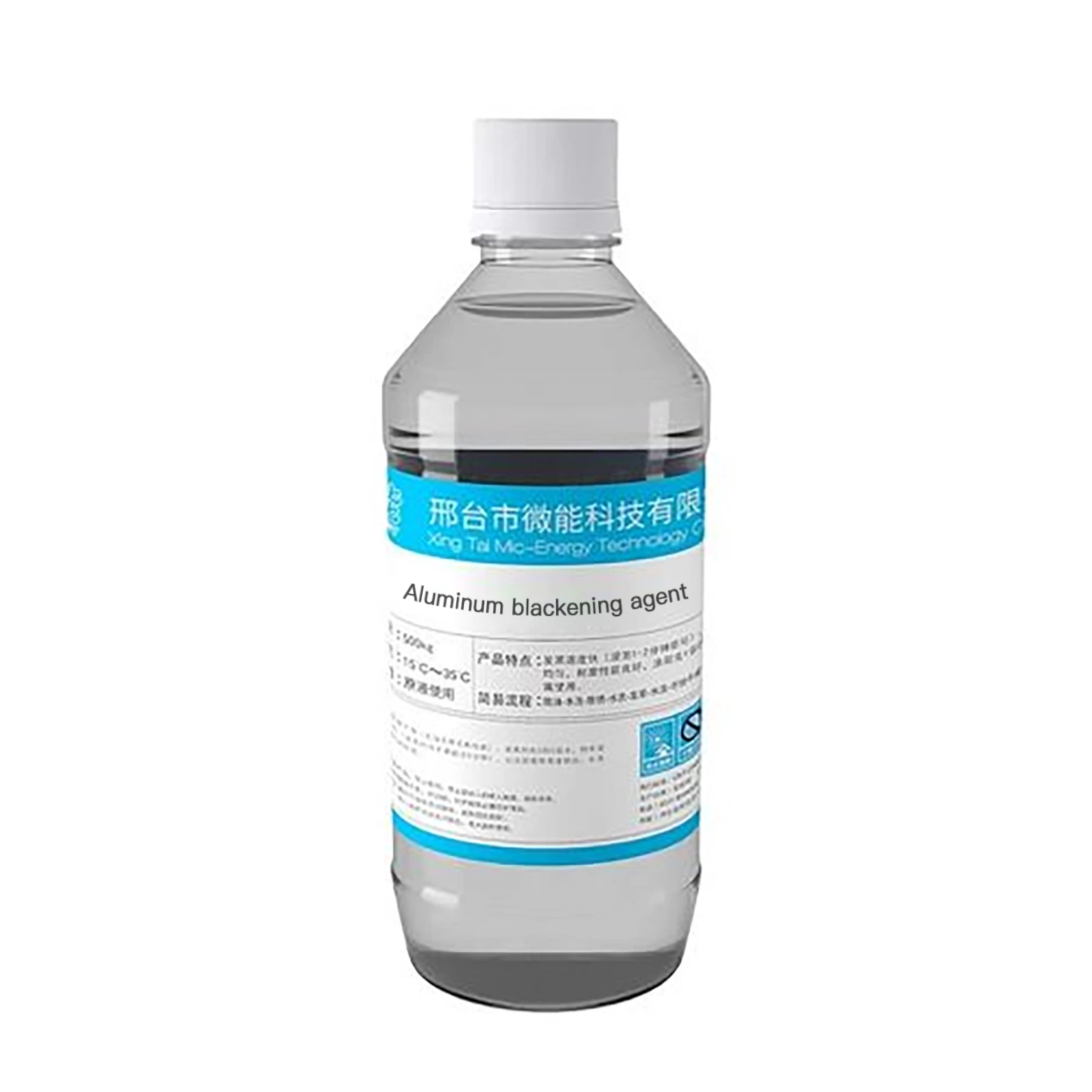
Chemical blackening method for aluminum with Aluminum blackening agent
Chemical blackening is one of the most commonly used methods to make aluminum go black. It mainly relies on the chemical reaction between the Aluminum blackening agent and the aluminum surface to form a black oxide film or other black compounds on the aluminum surface, thereby achieving the blackening effect.
Types of Aluminum blackening agent for chemical blackening
There are various types of Aluminum blackening agents suitable for chemical blackening of aluminum. One common type is the alkaline blackening agent. This type of agent usually contains strong alkalis such as sodium hydroxide, along with oxidants like sodium nitrate or sodium nitrite. The strong alkali can corrode the surface of aluminum to a certain extent, and the oxidant can promote the formation of a black oxide film on the aluminum surface. Another type is the acidic blackening agent, which often includes acids like sulfuric acid or hydrochloric acid, as well as metal salts such as copper sulfate or iron chloride. The acid in the agent can react with aluminum, and the metal salts can participate in the reaction to form black precipitates or compounds on the aluminum surface. In addition, there are also some neutral blackening agents, which are relatively mild in nature and are suitable for aluminum products that are not resistant to strong acids or alkalis. These neutral agents usually contain complexing agents and oxidants, which can form a black film on the aluminum surface through a series of complex chemical reactions.
Operation steps of chemical blackening with Aluminum blackening agent
The operation steps of chemical blackening using the Aluminum blackening agent are relatively simple, but certain precautions need to be taken to ensure the blackening effect and operational safety. First, the aluminum surface needs to be thoroughly cleaned. This is because there may be oil stains, dust, or oxide films on the aluminum surface, which will affect the contact between the Aluminum blackening agent and the aluminum substrate, thereby reducing the blackening effect. The cleaning process can use a degreasing agent to remove oil stains, then rinse with clean water, and finally use an acid solution (such as dilute hydrochloric acid) to remove the oxide film on the surface, followed by rinsing with clean water again. Second, the cleaned aluminum product is immersed in the prepared Aluminum blackening agent solution. The concentration and temperature of the solution need to be controlled according to the type of Aluminum blackening agent and the requirements of the blackening effect. Generally, the concentration of the solution is between 5% and 20%, and the temperature is between 20°C and 80°C. The immersion time varies depending on the situation, usually ranging from a few minutes to tens of minutes. During the immersion process, it is necessary to observe the color change of the aluminum surface. When the surface turns into the desired black color, the aluminum product is taken out. Third, after taking out the aluminum product from the Aluminum blackening agent solution, it needs to be rinsed with clean water immediately to remove the residual agent on the surface, so as to prevent the agent from continuing to react with the aluminum surface and causing excessive corrosion. Finally, the rinsed aluminum product is dried. Drying can be done by natural air drying or using a drying oven. The drying temperature should not be too high to avoid damaging the black film on the surface.
Precautions for chemical blackening with Aluminum blackening agent
When using the Aluminum blackening agent for chemical blackening, there are several important precautions. First, the Aluminum blackening agent usually has certain corrosiveness, so personal protective equipment must be worn during operation, such as gloves, goggles, and protective clothing, to prevent the agent from contacting the skin and eyes and causing harm. Second, the preparation and use of the Aluminum blackening agent solution should be carried out in a well-ventilated environment to avoid the accumulation of harmful gases generated during the reaction and affecting human health. Third, different types of Aluminum blackening agents have different properties and cannot be mixed arbitrarily, otherwise, chemical reactions may occur, which will not only affect the blackening effect but also may produce dangerous substances. Fourth, after the blackening treatment, the aluminum product should be inspected. If the surface color is uneven or there are defects such as spots, it is necessary to find out the reason and reprocess it. If the black film is too thin or not black enough, the immersion time can be appropriately extended or the concentration of the Aluminum blackening agent solution can be adjusted; if the surface is corroded too much, the concentration of the solution or the immersion time should be reduced.

Electrochemical blackening method for aluminum with Aluminum blackening agent
Electrochemical blackening is another effective method to make aluminum go black. This method uses an electric current to promote the reaction between the Aluminum blackening agent and the aluminum surface, so that a more uniform, dense, and wear-resistant black film can be formed on the aluminum surface compared to chemical blackening.
Principle of electrochemical blackening with Aluminum blackening agent
The principle of electrochemical blackening mainly relies on the electrolysis process. When the aluminum product is used as the anode and placed in the electrolyte containing the Aluminum blackening agent, and an electric current is applied, the aluminum on the anode surface will lose electrons and be oxidized. At the same time, the ions in the Aluminum blackening agent will move to the anode under the action of the electric field and participate in the oxidation reaction with aluminum. During this process, a black oxide film (mainly aluminum oxide) or other black compounds are formed on the aluminum surface. The electric current can control the speed and degree of the reaction, making the formed black film more uniform and dense. The Aluminum blackening agent in the electrolyte not only provides the necessary ions for the reaction but also helps to stabilize the electrolyte system and improve the quality of the black film. For example, some Aluminum blackening agents contain additives that can adjust the pH value of the electrolyte, prevent the anode from passivating too early, and ensure the smooth progress of the blackening reaction.
Selection of Aluminum blackening agent for electrochemical blackening
The selection of the Aluminum blackening agent is crucial for the electrochemical blackening effect. The ideal Aluminum blackening agent should have good solubility in the electrolyte, be able to provide sufficient reactive ions, and not produce harmful substances during the electrolysis process. Common Aluminum blackening agents used in electrochemical blackening include sodium chromate, potassium dichromate, and sodium molybdate. These agents can form stable electrolytes with other components (such as sulfuric acid, phosphoric acid, etc.). For example, when sodium chromate is used as the Aluminum blackening agent, it can be mixed with sulfuric acid to form an electrolyte. During the electrolysis process, chromate ions and aluminum ions react to form a black chromium-aluminum composite oxide film on the aluminum surface. In addition, some organic compounds can also be used as auxiliary components in the Aluminum blackening agent to improve the adhesion and wear resistance of the black film. When selecting the Aluminum blackening agent, it is also necessary to consider the type of aluminum alloy and the specific requirements of the blackening effect. For example, for high-purity aluminum, a relatively mild Aluminum blackening agent can be selected; while for aluminum alloys containing more alloying elements, a more active agent may be needed to ensure that the black film can cover the entire surface evenly.
Operation process of electrochemical blackening with Aluminum blackening agent
The operation process of electrochemical blackening using the Aluminum blackening agent mainly includes the following steps. First, the aluminum surface is pretreated. Similar to chemical blackening, pretreatment includes degreasing and derusting. Degreasing can use organic solvents (such as acetone) or alkaline degreasing agents to remove oil stains on the surface; derusting is mainly to remove the oxide film and rust spots on the surface, which can be done by pickling with dilute hydrochloric acid or sulfuric acid. After pretreatment, the aluminum product is rinsed with clean water to ensure that there are no residual impurities on the surface. Second, the electrolytic cell is set up. The electrolytic cell is usually made of acid-resistant and alkali-resistant materials (such as plastic or glass). The electrolyte is prepared by adding the Aluminum blackening agent and other necessary components (such as acids, salts, etc.) into water according to a certain proportion. The concentration of the Aluminum blackening agent in the electrolyte is generally between 10% and 30%, and the pH value is adjusted according to the type of agent, usually between 1 and 5 for acidic electrolytes and between 8 and 12 for alkaline electrolytes. Third, the aluminum product is connected to the positive electrode of the power supply (as the anode), and an inert electrode (such as graphite or stainless steel) is used as the cathode and connected to the negative electrode of the power supply. Then, the two electrodes are immersed in the electrolyte, and the power supply is turned on. The current density and electrolysis time are important parameters affecting the blackening effect. The current density is usually controlled between 1A/dm² and 10A/dm², and the electrolysis time is between 10 minutes and 60 minutes. During the electrolysis process, it is necessary to continuously stir the electrolyte to ensure the uniformity of the solution concentration and temperature. Fourth, after the electrolysis is completed, the aluminum product is taken out from the electrolyte and rinsed with clean water repeatedly to remove the residual electrolyte and Aluminum blackening agent on the surface. Then, the aluminum product is dried. Drying can be done at room temperature or in a drying oven at a low temperature (below 100°C) to avoid the black film from cracking or falling off due to high temperature. Finally, the blackened aluminum surface can be coated with a layer of protective agent (such as varnish) if necessary to further improve the corrosion resistance and service life of the black film.

Physical blackening method for aluminum with Aluminum blackening agent
Physical blackening is a method that does not rely on chemical reactions but uses physical means to attach the Aluminum blackening agent to the aluminum surface to make it black. This method is relatively simple and has less impact on the performance of the aluminum substrate, making it suitable for some aluminum products that are sensitive to chemical reactions.
Common types of Aluminum blackening agent for physical blackening
The Aluminum blackening agents used in physical blackening are mainly in the form of coatings or pigments. One common type is the black spray paint specially designed for aluminum. This type of spray paint contains black pigments (such as carbon black, iron oxide black, etc.) and adhesives. The adhesives can ensure that the pigments are firmly attached to the aluminum surface, and the spray paint also has good adhesion and corrosion resistance after drying. Another type is the black ink suitable for aluminum. This ink is usually used for printing patterns or characters on the aluminum surface, but it can also be used for overall blackening. The black ink contains black dyes or pigments and can be dried quickly at room temperature or low temperature to form a black film. In addition, there are black pastes or powders. The black paste is a mixture of black pigments and oily or aqueous binders, which can be applied to the aluminum surface with a brush or roller; the black powder needs to be mixed with a solvent to form a paste before use, and then applied to the aluminum surface, and then dried or cured to form a black layer. These Aluminum blackening agents for physical blackening have the characteristics of easy use and adjustable color depth. By controlling the thickness of the coating, the blackness of the aluminum surface can be adjusted.
Application methods of physical blackening with Aluminum blackening agent
The application methods of physical blackening using the Aluminum blackening agent are diverse, and the appropriate method can be selected according to the shape of the aluminum product and the requirements of the blackening effect. The first common method is spraying. Spraying is suitable for aluminum products with complex shapes and large surfaces. When using black spray paint as the Aluminum blackening agent, first, the spray gun is connected to the air compressor, and the spray paint is shaken evenly. Then, the aluminum product is placed in a well-ventilated place, and the spray gun is held at a distance of 20-30 cm from the aluminum surface. The spray is carried out in a uniform and slow manner, and the thickness of the paint film is controlled by adjusting the spray speed and the number of sprays. Generally, 2-3 sprays are needed to achieve a uniform and dense black film. After each spray, it is necessary to wait for the paint film to dry slightly (usually 10-20 minutes) before the next spray to avoid the paint film from flowing or sagging. The second method is brushing. Brushing is suitable for small aluminum products or local blackening. When using black paste or ink as the Aluminum blackening agent, a brush with soft bristles is used to dip an appropriate amount of the agent and apply it evenly on the aluminum surface. During the brushing process, it is necessary to avoid leaving brush marks, and the thickness of the coating should be kept consistent. For areas with corners or gaps, the brush can be used to carefully fill the agent to ensure that the entire surface is covered. The third method is rolling. Rolling is suitable for flat aluminum plates or strips. A roller is used to dip the Aluminum blackening agent (such as black paste), and then the roller is rolled on the aluminum surface to form a uniform coating. This method has high efficiency and is suitable for mass production. After the application of the Aluminum blackening agent is completed, the aluminum product needs to be dried or cured. For water-based agents, natural air drying can be used; for oil-based agents or some special inks, it may be necessary to use a drying oven for curing. The drying temperature is generally between 50°C and 80°C, and the drying time is 30-60 minutes, depending on the type of the Aluminum blackening agent.
Advantages and limitations of physical blackening with Aluminum blackening agent
Physical blackening using the Aluminum blackening agent has many advantages. First, the operation is simple and does not require complex equipment and professional technical personnel. Ordinary people can complete the blackening treatment of aluminum products by following the product instructions. Second, the impact on the aluminum substrate is small. Unlike chemical or electrochemical blackening, physical blackening does not cause corrosion to the aluminum surface, so it can maintain the original mechanical properties of the aluminum product. Third, the color is easy to adjust. By changing the type of the Aluminum blackening agent or the thickness of the coating, different shades of black can be obtained to meet different aesthetic requirements. Fourth, the cost is relatively low. The price of physical Aluminum blackening agents (such as spray paint, ink) is relatively affordable, and the equipment required for application is simple, which is suitable for small-batch production or personal use. However, physical blackening also has certain limitations. The most obvious limitation is that the adhesion of the black film is relatively poor compared to chemical or electrochemical blackening. The black film formed by physical methods is easy to peel off or wear under the action of external forces (such as friction, collision), so it is not suitable for aluminum products that are often subjected to mechanical wear. In addition, the corrosion resistance of the physical black film is relatively weak. If the aluminum product is used in a humid or corrosive environment, the black film may be damaged by moisture or corrosive substances, leading to the loss of the blackening effect. Therefore, physical blackening is more suitable for aluminum products used in dry and non-wearing environments, such as decorative parts, signs, etc.
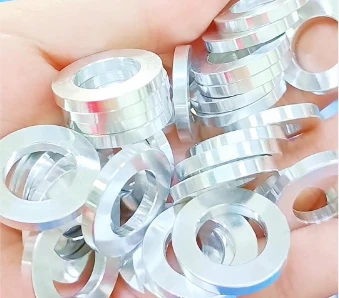
Maintenance of blackened aluminum surfaces related to Aluminum blackening agent
After making the aluminum surface black using various methods with the Aluminum blackening agent, proper maintenance is essential to maintain the blackening effect and extend the service life of the black film. The maintenance methods are also related to the type of Aluminum blackening agent and the blackening method used.
Daily cleaning of blackened aluminum surfaces
Daily cleaning is the basic maintenance measure for blackened aluminum surfaces. For aluminum surfaces blackened by chemical or electrochemical methods, the black film is an oxide film or composite film formed on the aluminum surface, which has certain corrosion resistance, but it is still necessary to avoid using strong corrosive cleaning agents. When cleaning, clean water or a neutral detergent (such as ordinary soap water) can be used. A soft cloth or sponge is dipped in the cleaning solution and gently wiped the surface to remove dust and dirt. After cleaning, it is necessary to rinse with clean water immediately to remove the residual detergent, and then dry the surface with a dry cloth to prevent water stains from remaining on the surface. For aluminum surfaces blackened by physical methods (such as spray paint, ink), the black film is a coating, so it is necessary to avoid using hard objects to scrape the surface during cleaning to prevent the coating from being damaged. Similarly, neutral cleaning agents should be used, and excessive force should not be applied during wiping. In addition, for physical blackened surfaces, it is not advisable to soak them in water for a long time, as this may cause the coating to blister or fall off.
Protection against external factors for blackened aluminum surfaces
Blackened aluminum surfaces need to be protected against various external factors to avoid damage to the black film. First, avoid exposure to strong sunlight for a long time. Ultraviolet rays in sunlight can cause aging and discoloration of the black film, especially the physical black film (such as spray paint). For aluminum products used outdoors, a layer of anti-ultraviolet protective coating can be applied on the blackened surface if necessary to reduce the damage of ultraviolet rays. Second, prevent contact with corrosive substances. Corrosive substances such as acids, alkalis, and salts can react with the black film, leading to the loss of the blackening effect. For example, if the blackened aluminum product is used in a kitchen or bathroom, it is necessary to avoid contact with vinegar, detergent with strong alkalinity, and other substances. If it is accidentally contaminated, it should be cleaned with clean water immediately. Third, avoid mechanical wear. For chemical and electrochemical black films, although they have certain wear resistance, long-term friction will also make the film thinner and the blackness decrease; for physical black films, wear is more likely to cause damage. Therefore, when using blackened aluminum products, avoid friction with hard objects. For example, when placing blackened aluminum plates, a soft pad can be placed between them to prevent mutual friction.
Repair of damaged blackened aluminum surfaces
Even with proper maintenance, aluminum's black film may be damaged by scratches, harsh environments, or improper use. Repairs depend on the Aluminum blackening agent type and blackening method to ensure color and performance consistency.
Repair for chemically blackened aluminum surfaces
The black film here is a substrate-bound chemical product (e.g., aluminum oxide composite film). For slight damage (small scratches, discoloration):
Gently polish the damaged area with 400-800 mesh fine sandpaper to remove loose film and smooth the surface (avoid damaging the aluminum substrate).
Clean with neutral detergent, rinse with water, and dry.
Apply a small amount of the original Aluminum blackening agent (same type/concentration as initial use) to the area with a brush.
Wipe residual agent once the color matches the surroundings, rinse, and dry; repeat if needed.
For severe damage (large-area peeling): Strip remaining film with dilute sulfuric acid, rinse, dry, and re-run the chemical blackening process with the original agent.
Repair for electrochemically blackened aluminum surfaces
This dense, firmly bonded film requires precise repairs. For slight damage (shallow scratches):
Polish the area in circular motions with 800-1200 mesh ultra-fine sandpaper.
Clean with deionized water and dry (use a nitrogen gun or cloth).
Prepare electrolyte with the original Aluminum blackening agent (e.g., sodium chromate-sulfuric acid mix). Use a portable electrolytic pen (aluminum as anode, graphite as cathode) at the initial current density (1-5A/dm²) for 2-5 minutes until color matches.
Rinse with deionized water, dry, and apply the original protective agent.
For severe damage (large-area peeling): Strip old film with chromic acid (10-15 minutes soak), rinse, dry, and re-electrochemically blacken with the original agent.
Repair for physically blackened aluminum surfaces
The surface coating (spray paint, ink) is easy to repair. For slight damage (small scratches, local peeling):
Clean the area with alcohol; scrape flat raised edges (avoid substrate damage).
Apply the original Aluminum blackening agent (spray paint/paste) with a brush-control amount to avoid unevenness.
Air-dry 10-20 minutes (per instructions); add a second layer if color is light.
Polish with 1000-1500 mesh sandpaper once dry, then wipe clean.
For severe damage (large-area peeling): Remove old coating with paint remover, clean, dry, and re-apply the agent per initial steps.
A Practical Selection Guide
Chemical, electrochemical, and physical methods are common for aluminum blackening, with Aluminum blackening agent selection key to effect, cost, and maintenance.
Electrochemical blackening: Ideal for industrial scenarios (mechanical parts, outdoor profiles) needing high wear/corrosion resistance. Uses agents like sodium chromate but requires professional equipment and higher cost.
Chemical blackening: Suitable for small-batch/handmade products (simple operation, low cost). Agents (alkaline/acidic/neutral) are easy to source, but the film is thinner and less wear-resistant.
Physical blackening: Best for decorative parts/signs (aesthetic focus, no substrate damage). Agents (spray paint/ink/paste) are user-friendly, but the film has poor adhesion (not for high-friction/humid environments).
Post-maintenance (neutral detergent cleaning, avoiding corrosive substances, timely repairs) extends film life. Choose methods/agents based on use scenario, performance needs, budget, and operation difficulty.