

Fundamental Concepts and Principles of Metal Passivation
Definition and Core Characteristics of Metal Passivation
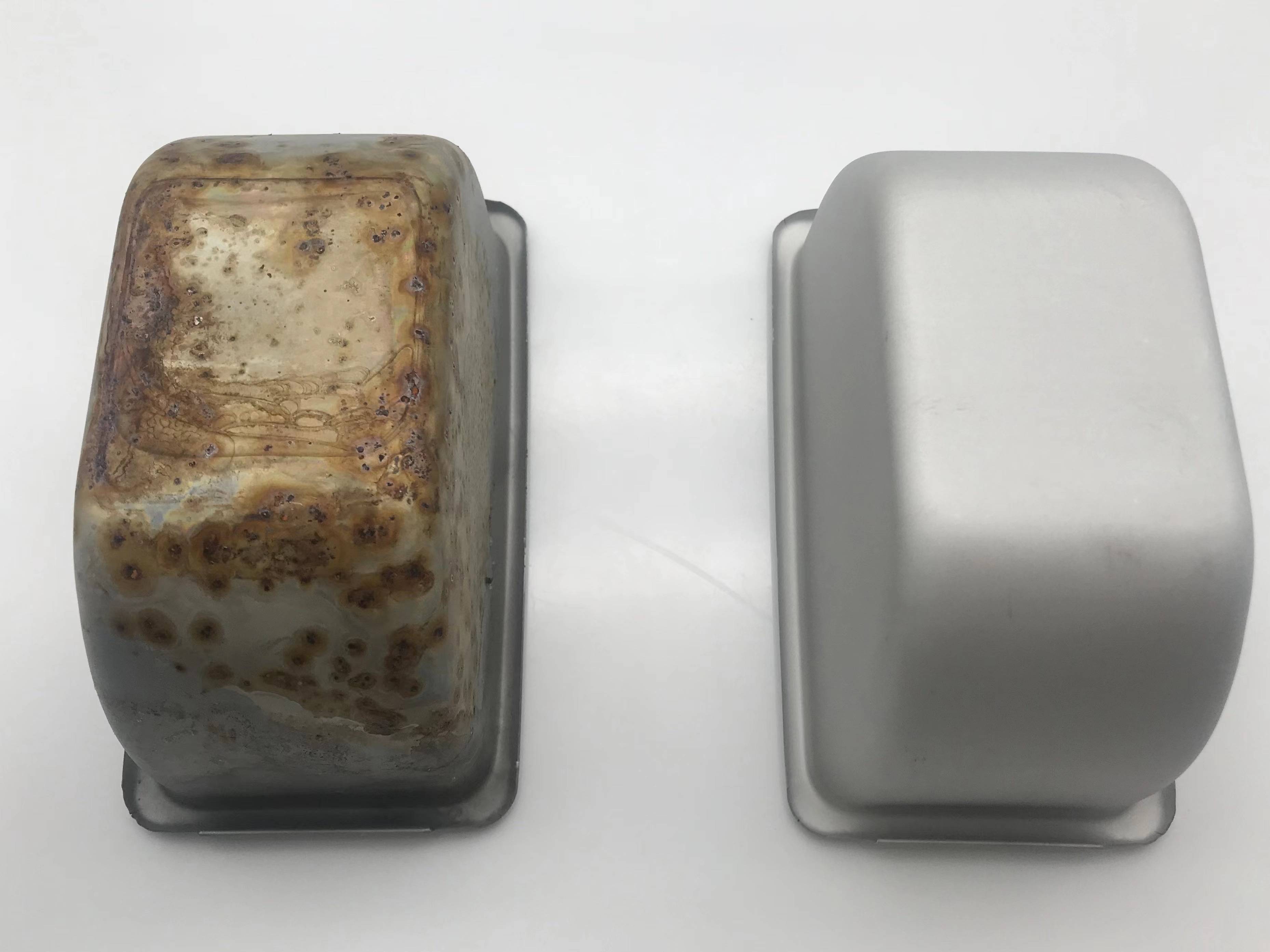
Metal passivation is an electrochemical process where a metal surface transforms from an active, corrosion-susceptible state to a stable one via a thin, dense protective "passive film." This film isolates the metal from corrosive media (water, oxygen, acids, salts), inhibiting further oxidation.
A key trait is the film's spontaneity or induced formation: aluminum and titanium form films naturally in air/moisture, while some stainless steels need oxidizing agents or electrochemical treatment. The film also self-repairs-minor damage triggers rapid re-formation of a new film to restore protection.
Electrochemical Mechanism of Metal Passivation
Passivation involves anodic and cathodic reactions at the metal-environment interface. When immersed in electrolytes, the metal undergoes anodic dissolution (e.g., Al → Al³⁺ + 3e⁻), while cathodic reactions (e.g., O₂ + 2H₂O + 4e⁻ → 4OH⁻) occur simultaneously.
Initially, dissolution is fast (active state), but metal ions react with anions to form insoluble oxides/hydroxides, which accumulate into a dense passive film. Once formed, the film blocks ion/electron transfer, slowing dissolution. The anodic polarization curve shows three regions: active (high dissolution), passive transition (rapid decrease), and passive (low, stable dissolution).
Significance of Studying Metals Protected by Passivation
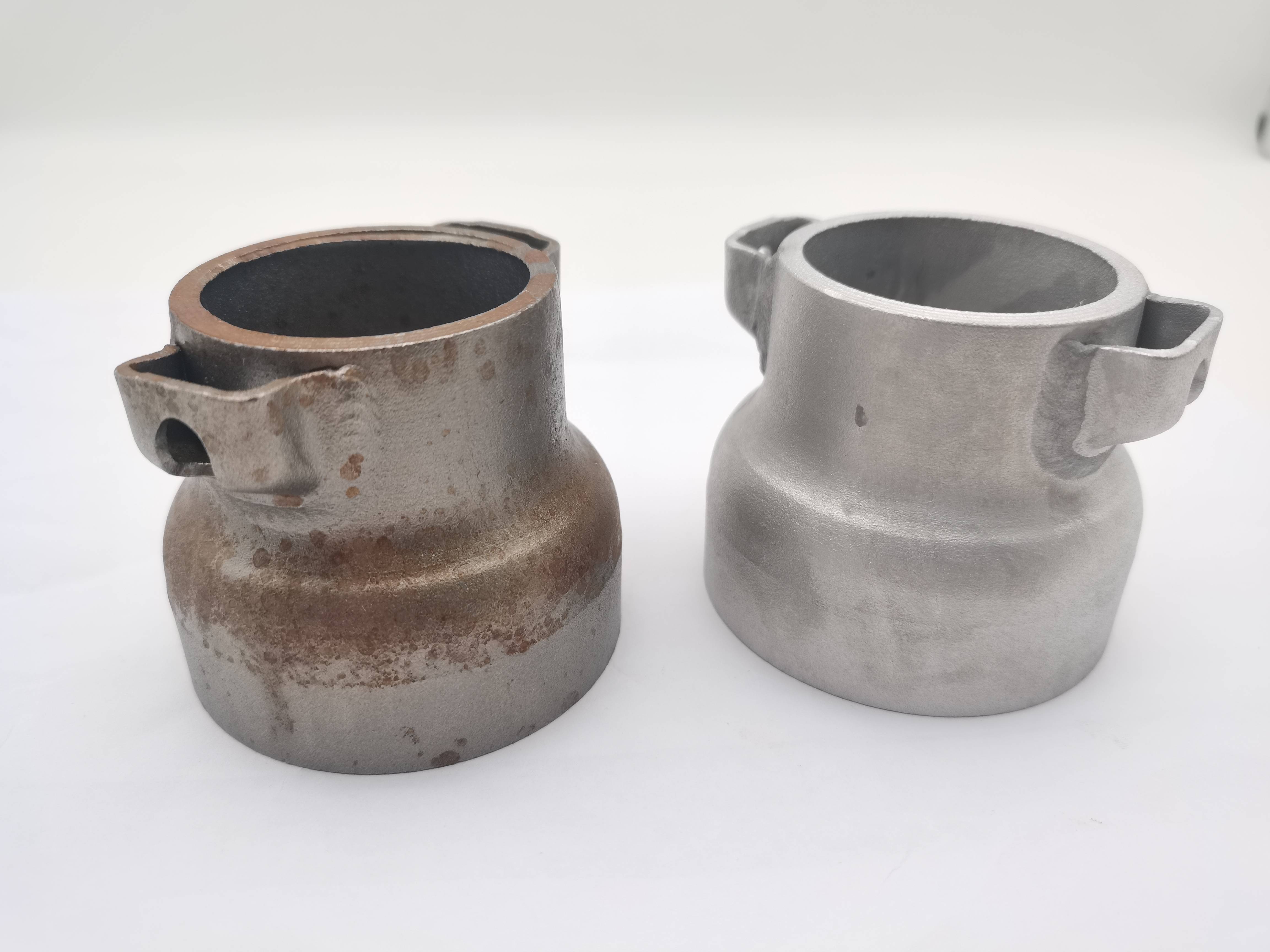
Corrosion causes global annual losses exceeding 3% of GDP, damaging equipment and posing safety risks. Metal passivation extends component life, cuts maintenance costs, and boosts reliability-critical for industries like aerospace, automotive, chemical, and medicine.
For example, passivated metals withstand harsh aerospace conditions, while biocompatible passivated titanium is used for medical implants. Understanding passivated metals and their mechanisms is vital for developing corrosion-resistant materials.

Typical Metals Protected by Metal Passivation
Aluminum: A Representative Metal Protected by Metal Passivation
Natural Passivation Characteristics of Aluminum
Aluminum forms a 2–10 nm amorphous Al₂O₃ passive film in air within seconds. Despite its thinness, the film prevents further corrosion, driven by aluminum's high oxygen affinity. With a negative electrode potential (-1.66 V), aluminum tends to oxidize, but the insoluble Al₂O₃ film stabilizes it in neutral/weakly acidic solutions.
Artificial Passivation Processes for Aluminum
Natural passivation offers basic protection; artificial methods enhance performance. Anodization uses electrolytes (sulfuric/oxalic acid) and direct current to form a 1–100 μm porous oxide film, sealed for better corrosion resistance. Chromate passivation creates a mixed Cr-Al oxide film but is replaced by eco-friendly alternatives (trivalent chromium, zirconium) due to hexavalent chromium toxicity.
Application Fields of Passivated Aluminum
Passivated aluminum's light weight and strength suit construction (doors, windows, curtain walls), transportation (aircraft fuselages, automotive bodies), and electronics (heat sinks, IC packages). The film resists rain, pollutants, road salt, and moisture.
Stainless Steel: Alloy Metals Protected by Metal Passivation
Role of Chromium in Stainless Steel Passivation
Stainless steel (≥10.5% chromium) forms a Cr₂O₃ passive film in oxidizing environments-chromium is key to passivation. Higher chromium content (e.g., 18–20% in 304 stainless steel) increases film density and corrosion resistance, with nickel enhancing performance in austenitic grades.
Passivation Behavior of Different Types of Stainless Steel
Austenitic stainless steel (e.g., 304) performs well in neutral/weakly acidic environments but risks pitting in chloride-rich media. Ferritic grades (e.g., 430) resist oxidizing environments but not non-oxidizing acids. Martensitic stainless steel (12–17% Cr) needs heat treatment for moderate corrosion resistance. Duplex stainless steel (austenite-ferrite) combines strength and chloride resistance.
Industrial Applications of Passivated Stainless Steel
Passivated stainless steel is used in food processing (tanks, pipelines) for easy cleaning and non-toxicity, chemical engineering (reactors, heat exchangers) for corrosion resistance, and medicine (surgical instruments, implants) for biocompatibility and sterilizability. 316L stainless steel (with molybdenum) resists organic acids and chlorides.
Titanium: High-Performance Metal Protected by Metal Passivation
Unique Passivation Mechanism of Titanium
Titanium forms 2-5 nm crystalline TiO ₂, which spontaneously forms a passivation film in air/water. A dense and impermeable film can block corrosive ions (Cl ⁻, SO ₄² ⁻) The damaged film self repairs within seconds by reacting with oxygen/water, ensuring sustained corrosion resistance.
Corrosion Resistance of Passivated Titanium in Extreme Environments
Passivated titanium resists strong acids (HNO₃, H₂SO₄) and alkalis (NaOH, KOH), though high-temperature concentrated alkalis increase corrosion. It withstands seawater (no chloride-induced pitting) but corrodes in hydrofluoric acid (TiO₂ + 4HF → TiF₄ + 2H₂O).
Advanced Applications of Passivated Titanium
Titanium's strength-to-weight ratio and biocompatibility suit aerospace (engine parts, fuselages), biomedicine (artificial joints, dental implants), and energy (fuel cell bipolar plates, nuclear heat exchangers). The film resists high temperatures, body tissues, and radioactive coolants.
Factors Influencing Metal Passivation
Environmental Factors and Their Impact on Metal Passivation
pH Value of the Environment
Aluminum stabilizes in pH 6–8 (neutral) and 8–10 (weakly alkaline); below pH 4 or above pH 12, Al₂O₃ dissolves. Stainless steel works in pH 2–12 but corrodes below pH 2 (no oxidizers) or above pH 12 (high-temperature stress cracking). Titanium resists pH <1 to >14, except in hydrofluoric acid.
Temperature of the Environment
Temperature accelerates reactions: low temperatures slow passive film formation (e.g., aluminum in cold air), while high temperatures may damage films (e.g., stainless steel in hot strong alkalis). Titanium's film remains stable at higher temperatures than aluminum or stainless steel.
Temperature of the Environment
The temperature of the environment where phosphating solution is stored, transported, and applied plays a critical role in determining the stability of the solution, the efficiency of the phosphating reaction, and the final quality of the phosphate coating-making it a non-negotiable factor for industrial operations and DIY metal projects alike.
Impact on Phosphating Solution Stability
Most phosphating solutions (whether acidic, neutral, or zinc-based) contain active components such as phosphoric acid, accelerators (e.g., nitrates, chlorides), and metal ions (e.g., Zn²⁺, Fe²⁺) that are highly sensitive to temperature fluctuations.
Low-temperature environments (below 10°C/50°F): Slow down the molecular motion of the solution's components, leading to reduced solubility of salts and potential precipitation of inactive solids. This not only dilutes the effective concentration of the solution but also clogs spray nozzles or immersion tanks, disrupting the application process. For example, zinc phosphate solutions stored in unheated warehouses during winter may form white precipitates, rendering them ineffective until reheated and filtered-adding extra time and cost to operations.
High-temperature environments (above 35°C/95°F): Accelerate chemical reactions within the solution, even when it's not in use. Excessive heat can cause the decomposition of accelerators (e.g., nitrates breaking down into nitrites) or the oxidation of ferrous ions (Fe²⁺ → Fe³⁺), which weakens the solution's ability to form a uniform coating. Prolonged exposure to high temperatures (e.g., in outdoor storage during summer) can also shorten the solution's shelf life by 30–50%, increasing material waste.
Influence on Phosphating Reaction Kinetics
The phosphating process relies on a series of chemical reactions (e.g., acid etching of the metal surface, formation of phosphate crystals) that are directly governed by temperature. In general, reaction rates double for every 10°C (18°F) increase in temperature-within a specific optimal range.
Sub-optimal low temperatures (10–20°C/50–68°F): Extend the reaction time required to form a complete coating. For instance, a standard iron phosphate coating that takes 5–8 minutes to form at 25°C (77°F) may take 15–20 minutes at 15°C (59°F), slowing down production lines. Worse, the resulting coating may be thin (less than 5 μm) and porous, offering minimal corrosion resistance-defeating the purpose of phosphating.
Optimal temperature range (25–35°C/77–95°F): Balances reaction speed and coating quality. At this range, the solution etches the metal surface moderately, allowing phosphate crystals to grow evenly and densely. The coating formed is typically 8–12 μm thick, with strong adhesion to the metal substrate-ideal for subsequent painting, powder coating, or anti-rust applications.
Excessively high temperatures (above 40°C/104°F): Cause the reaction to proceed too rapidly. Rapid crystal growth leads to a rough, uneven coating surface (with visible graininess) that fails adhesion tests (e.g., tape peel tests). In extreme cases (above 50°C/122°F), the solution may etch the metal surface excessively, creating pitting or uneven base layers that compromise the coating's durability.

Practical Temperature Control Recommendations
To mitigate the risks of temperature-related issues, follow these actionable guidelines:
Storage: Keep unopened phosphating solution in a climate-controlled warehouse or storage room, maintaining a temperature of 15–30°C (59–86°F). Avoid placing containers near heat sources (e.g., heaters, industrial ovens) or cold drafts (e.g., open windows in winter). For large-volume storage, use insulated tanks with temperature monitoring sensors to alert operators of fluctuations.
Transportation: During transit (especially for long distances), use insulated trucks or packaging with thermal liners to shield the solution from extreme weather. For cold climates, add portable heaters (set to 20–25°C/68–77°F) in the transport vehicle; for hot climates, include ice packs (avoiding direct contact with solution containers) to keep temperatures below 35°C/95°F.
Application: Adjust the working environment temperature to match the solution's recommended range (check the manufacturer's datasheet-some specialized solutions may require higher temperatures, e.g., 40–50°C/104–122°F for high-speed production). For on-site DIY projects, use a portable space heater or shade (depending on the season) to stabilize the area around the metal workpiece. If using immersion tanks, install heating/cooling jackets to maintain a consistent temperature throughout the phosphating process.
In summary, ignoring environmental temperature can lead to wasted materials, compromised coating performance, and delayed operations. By prioritizing temperature control, users can maximize the efficiency of their phosphating solution and ensure long-lasting, high-quality metal protection.