

Salt is an indispensable substance in human life and industrial production. However, not all salts are the same. In particular, industrial salt and normal salt (edible salt) have significant differences in various aspects. Understanding these differences is crucial for ensuring safety in daily life and industrial applications. This article will elaborate on the distinctions between industrial salt and normal salt from multiple perspectives, including composition, uses, safety standards, and potential risks.

Composition Differences
Industrial Salt
Industrial salt, also known as sodium chloride for industrial use, primarily consists of sodium chloride. However, its composition is relatively complex, often containing various impurities and harmful substances. The main components and characteristics are as follows:
High Impurity Content: Industrial salt usually contains impurities such as calcium chloride, magnesium chloride, sulfates, and heavy metals (e.g., lead, arsenic, mercury). The specific types and contents of these impurities vary depending on the production source and process. For example, salt produced from some mineral sources may have higher heavy metal contents, while salt from other sources may contain more sulfate impurities.
May Contain Toxic Substances: In some cases, industrial salt may be contaminated with toxic chemicals. A notable example is sodium nitrite (NaNO₂), which resembles salt in appearance but is highly toxic. Sodium nitrite can cause methemoglobinemia, leading to oxygen deprivation in the body and even death. Although industrial salt is not intentionally added with sodium nitrite, improper production or storage may result in contamination.
Normal Salt (Edible Salt)
Edible salt is specially processed for human consumption, with strict requirements for composition to ensure safety and suitability for daily intake. Its main characteristics are as follows:
High Purity Sodium Chloride: Edible salt typically has a sodium chloride purity of over 97%, with very low impurity levels. Through refined processing, most harmful impurities are removed to meet food safety standards.
Added Iodine and Other Substances: In many regions, edible salt is fortified with iodine to prevent iodine deficiency disorders. Potassium iodate (KIO₃) or potassium iodide (KI) is usually added as the iodine source. In addition, some edible salts may contain anti-caking agents (e.g., sodium ferrocyanide) to prevent clumping, but the types and amounts of additives are strictly regulated to ensure safety.

Uses Differences
Industrial Salt
Industrial salt has a wide range of applications in various industries, and its uses are closely related to its properties and lower cost. The main industrial applications include:
Chemical Industry: It is a fundamental raw material in the chemical industry, used to produce chlorine, caustic soda (sodium hydroxide), soda ash (sodium carbonate), and other chemicals. These chemicals are essential in manufacturing plastics, textiles, paper, detergents, and more.
Metallurgy Industry: In metal smelting processes, industrial salt is used for roasting ore, desulfurization, and as a flux to remove impurities and facilitate metal separation.
Textile Industry: It plays a role in dyeing and printing processes, such as fixing dyes to improve color fastness and regulating dye penetration.
Road De-icing: In winter, industrial salt is widely used to melt ice on roads and highways. The dissolution of salt in water lowers the freezing point, preventing ice formation and improving traffic safety. However, this use can have environmental impacts, such as soil and water pollution.
Leather Tanning: In the leather industry, industrial salt is used to preserve raw hides and remove hair and impurities during the tanning process.
Normal Salt
The primary use of edible salt is in food, serving both as a seasoning and a preservative. Its roles in daily life include:
Food Flavoring: It enhances the taste of food, making dishes more palatable. Salt is a fundamental seasoning in almost all cuisines worldwide, used in cooking, pickling, and seasoning processed foods.
Food Preservation: By inhibiting the growth of microorganisms, salt has been used for centuries to preserve foods such as cured meats, pickles, and salted fish. This preservation method helps extend the shelf life of food and maintain its quality.
Nutritional Function: Although salt should be consumed in moderation, it provides essential sodium ions for the human body. Sodium is crucial for maintaining fluid balance, nerve impulse transmission, and muscle contraction. However, excessive intake of sodium can lead to health problems such as high blood pressure, so dietary guidelines recommend limiting salt intake.
Safety Standards and Regulations
Industrial Salt
Industrial salt is subject to different quality and safety standards compared to edible salt, as it is not intended for human consumption. Key points include:
Quality Standards: Industrial salt standards focus on its suitability for industrial applications rather than safety for human intake. For example, standards may specify requirements for sodium chloride content, moisture, and water-insoluble matter, but have looser or no restrictions on harmful substances such as heavy metals and sodium nitrite, except for specific industrial uses where relevant safety measures are in place.
Labeling and Packaging: Industrial salt is usually labeled clearly as "industrial use only" to distinguish it from edible salt and prevent accidental ingestion. Packaging may be simpler, such as large bags or bulk transportation, without the strict hygiene and anti-contamination measures required for food packaging.
Normal Salt
Edible salt is strictly regulated by food safety authorities to protect public health. The main aspects of regulation are as follows:
Food Safety Standards: Countries have established strict national standards for edible salt, specifying limits for various harmful substances. For example, in China, the GB 2721-2016 National Food Safety Standard - Edible Salt stipulates maximum allowable levels for lead, arsenic, and other heavy metals, as well as requirements for iodine fortification.
Production and Processing Regulations: Edible salt production must comply with good manufacturing practices (GMP) to ensure hygiene and quality during processing, packaging, and storage. Producers must obtain relevant food production licenses, and products undergo regular quality inspections to ensure compliance with standards.
Labeling Requirements: Edible salt packaging must clearly indicate product name, ingredients, net content, manufacturer information, shelf life, and nutritional labeling (e.g., sodium content). Iodized salt should also be labeled as such to inform consumers of its nutritional benefits.

Potential Risks and Consequences of Misuse
Risks of Industrial Salt as Edible Salt
Accidental or intentional use of industrial salt as edible salt can have severe health consequences due to its harmful components:
Toxicity of Impurities: Heavy metals in industrial salt, such as lead and arsenic, can accumulate in the human body, causing chronic poisoning and damaging the nervous system, kidneys, and other organs. Sodium nitrite contamination is particularly dangerous, as even small amounts can cause acute poisoning. Symptoms of sodium nitrite poisoning include nausea, vomiting, cyanosis (bluish skin), shortness of breath, and in severe cases, coma and death.
Lack of Iodine: Edible salt is an important source of iodine intake. If industrial salt (which is usually not iodized) is used for a long time, iodine deficiency can occur, leading to goiter, hypothyroidism, and cognitive impairment, especially in children and pregnant women.

Impact of Edible Salt Misused in Industry
While less common, using edible salt in industrial applications where industrial salt is required may also have issues:
Higher Cost: Edible salt is more expensive due to its refined processing and strict quality control. Using it in large-scale industrial applications would increase production costs unnecessarily.
Inadequate Performance for Industrial Needs: Industrial salt may have specific properties (e.g., certain impurity levels or particle sizes) tailored for industrial processes. Edible salt, with its high purity, may not be suitable for some industrial applications, affecting process efficiency or product quality.

How to Distinguish Industrial Salt and Normal Salt
To prevent misuse, it is essential to know how to distinguish between the two:
Labeling and Packaging: Always check the product label. Edible salt should be clearly marked as "edible" or "food grade," with a food production license number (e.g., "SC" code in China). Industrial salt will be labeled as "industrial use" and should not have food-related certifications.
Purchase Channels: Buy edible salt from reliable supermarkets, grocery stores, or authorized sellers. Industrial salt is typically sold through industrial supply channels and should not be available in regular food markets.
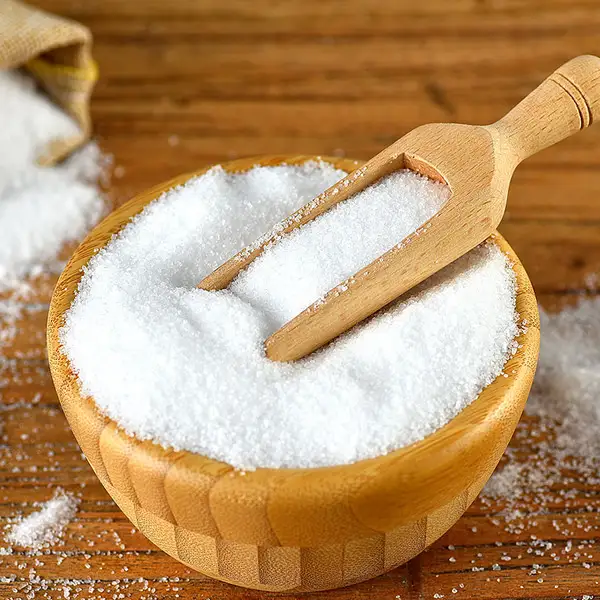
Appearance and Texture: Edible salt is usually more refined, with uniform particle size and high whiteness. Industrial salt may have a coarser texture, varying particle sizes, and a duller color due to impurities, but this is not a reliable method of identification as some industrial salts may appear similar to edible salt.
Testing: For precise identification, laboratory testing can be conducted to analyze the composition, including sodium chloride content, impurity levels, and the presence of toxic substances.
Conclusion
Industrial salt and normal salt may appear similar, but they differ fundamentally in composition, uses, safety standards, and potential risks. Industrial salt is designed for industrial applications and contains impurities and possibly toxic substances that make it unsuitable for human consumption. Edible salt, on the other hand, is strictly processed and regulated to ensure safety and provide essential nutrients like iodine. Misuse of industrial salt as edible salt can lead to serious health problems, highlighting the importance of understanding these differences and purchasing salt from legitimate sources. Whether in daily cooking or industrial production, using the appropriate type of salt is crucial for safety, quality, and sustainability.
By being aware of these distinctions, consumers can make informed choices to protect their health, while industries can ensure proper use of salt to maintain process efficiency and product quality. Governments and regulatory bodies also play a vital role in enforcing strict standards and preventing the illegal sale of industrial salt as food, safeguarding public health and safety.